
ASEAN Car Safety Standards Rise, ADAS Factor
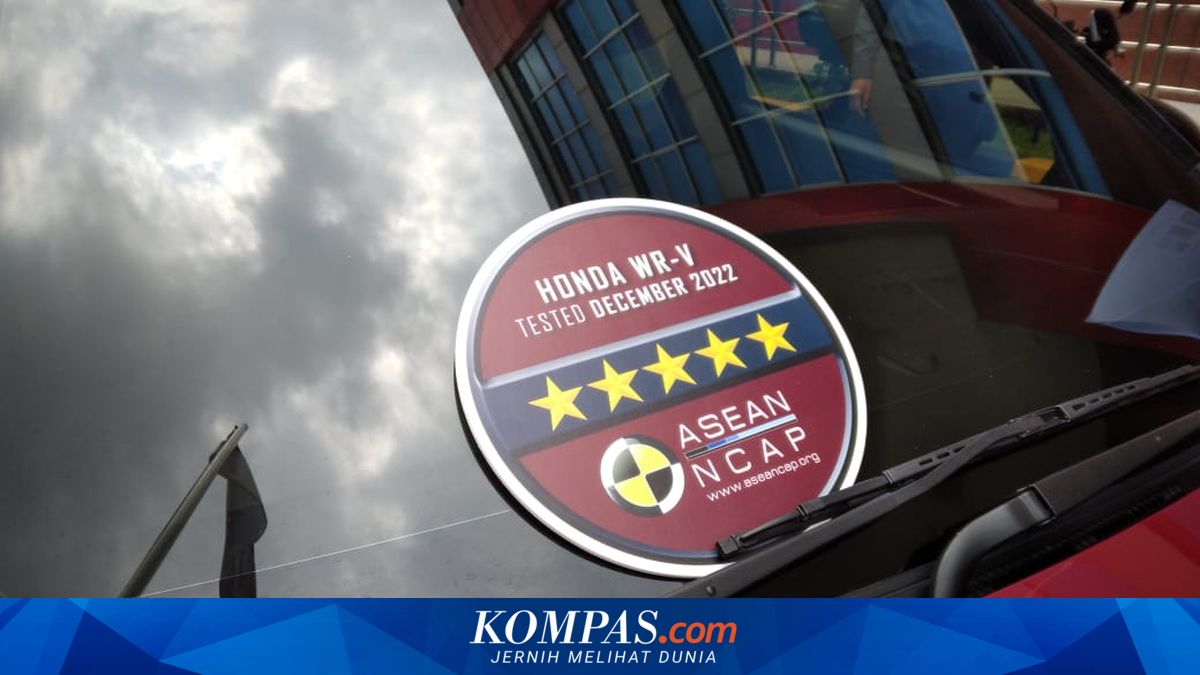
JAKARTA, KOMPAS.com - The direction of vehicle safety development in the automotive industry is beginning to undergo changes. No longer relying solely on protection during accidents, manufacturers are now required to introduce technologies capable of preventing incidents from the outset. The Southeast Asian regional vehicle safety testing programme, ASEAN NCAP, emphasises that the role of active safety features is now as important as passive aspects in determining a car’s safety level. Quoted from Paultan, active safety systems are increasingly relevant because they anticipate potential accidents. Features such as Autonomous Emergency Braking (AEB), Lane Departure Warning, Adaptive Cruise Control, and Blind Spot Monitoring have become essential components of modern vehicles. In its latest development, ASEAN NCAP is also paying greater attention to Advanced Driver Assistance Systems (ADAS) technology. This system assists drivers in handling various critical situations while driving. Several features in the spotlight include AEB, Lane Keeping Assist, Forward Collision Warning, and Rear Occupant Detection. AEB itself is considered one of the most effective technologies because it detects potential collisions and automatically applies the brakes. The implementation of active safety technology has proven to have a significant impact in reducing accident rates in Southeast Asia. Features like Lane Keeping Assist and AEB contribute to lowering collision risks as well as injury levels. In the latest assessment system, ASEAN NCAP assigns greater weight to active safety aspects in determining the star rating. Thus, vehicles with strong structures alone are no longer sufficient to achieve maximum scores. Automotive manufacturers are now required to combine passive and active safety in a balanced manner. The goal is not only to enhance protection but also to deliver vehicles that are more adaptive to traffic dynamics.