
ASDP Strengthens Operational Transformation with New Safety Standards
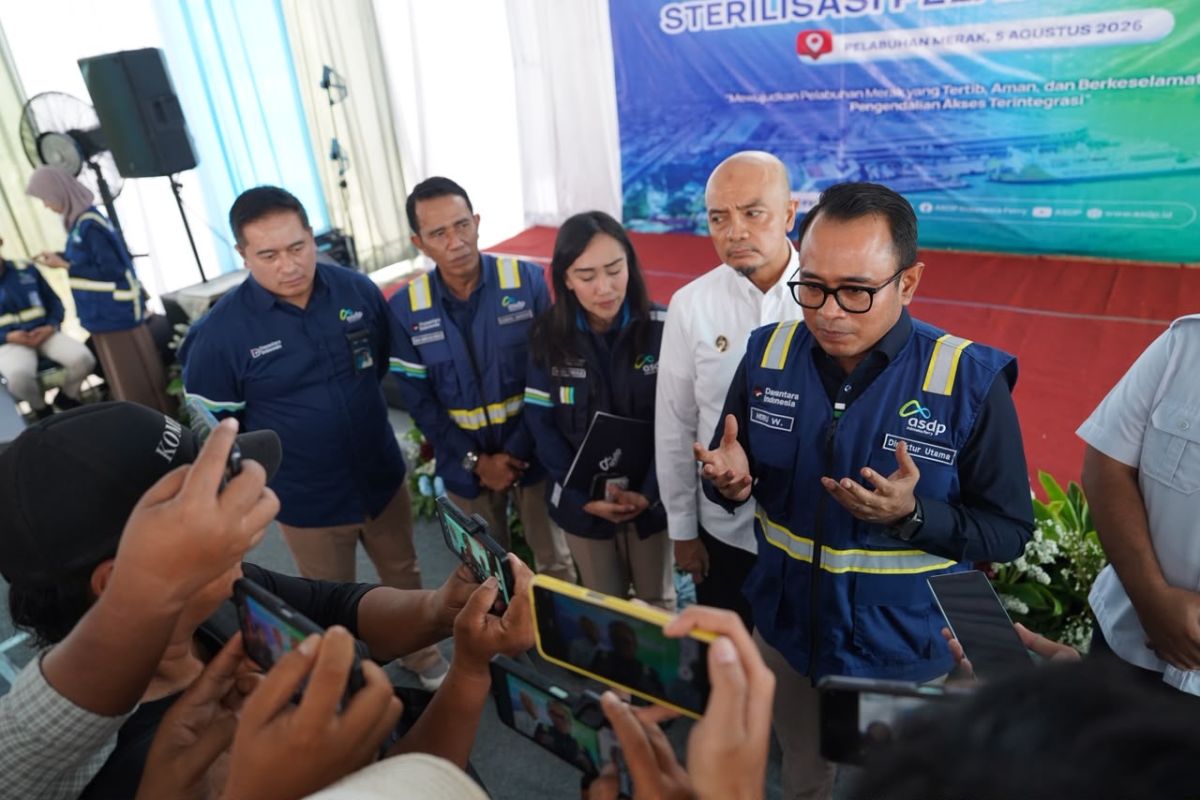
PT ASDP Indonesia Ferry (Persero) has implemented new safety standards through a simultaneous port sterilisation programme as part of efforts to strengthen an operational culture transformation that prioritises safety. ASDP President Director Heru Widodo emphasised that this programme is not merely a change in spatial planning, but a transformation of operational culture that places safety as a core value in every service process. He stated that this momentum marks a new chapter in the transformation of national ferry services towards port governance that is safer, more orderly, modern, and oriented towards user safety. The simultaneous implementation was carried out in five ASDP operational branches covering six major ports: Merak, Bakauheni, Ketapang, Gilimanuk, Kayangan, and Lembar. During the transition period, ASDP, together with regulators and all stakeholders, refined operational mechanisms, conducted outreach to service users and business operators, and strengthened cross-agency coordination to ensure all systems run optimally from the first day of implementation. “Port sterilisation is not just about area arrangement, but a change in operational culture that ensures every activity in the port area takes place safely, orderly, and according to standards,” he said. This effort serves as an important foundation for building a more disciplined operational culture, while ensuring all activities in the port area comply with safety and security standards. At Merak Port, the sterilisation implementation also focused on comprehensive area arrangement through the regulation of activities in operational zones, re-registration of all active parties, arrangement of vendors with official identities, and strengthening of surveillance facilities. The implementation of the One Gate System (OGS) strengthens access control, while the Automatic Gate System reduces truck service time from 10-15 minutes to 1-2 minutes, making port operations more efficient. Meanwhile, at Bakauheni Port, implementation was strengthened through the arrangement of vehicle traffic lanes, construction of motorcycle parking pockets, improvement of signage and information media, and optimisation of the access control system. On the Ketapang-Gilimanuk route, implementation focused on strengthening operational compliance through intensive outreach to all stakeholders, supervision of personal protective equipment (PPE) use, regular joint patrols, and the implementation of zone-based access arrangements so that operational areas can only be accessed by officers according to their duties and authority. At Kayangan and Lembar Ports, implementation was marked by strengthened access control based on Face Recognition, the symbolic presentation of PPE to stakeholder representatives, and a direct review of sterile areas as part of a shared commitment to realising a safe, orderly, and professional port. Corporate Secretary Windy Andale stated that the programme’s success is the result of collaboration among all stakeholders who have supported the process from outreach to full implementation on the ground. Transport observer from Soegijapranata Catholic University, Djoko Setijowarno, assessed that port sterilisation is a strategic step that can no longer be postponed as part of modernising the national ferry transport system. He said this policy will strengthen aspects of safety, security, and service quality, while improving the flow of logistics and public mobility through more orderly and efficient operations. “In addition, infrastructure readiness and synergy among all stakeholders are crucial so that implementation runs consistently while paying attention to the social aspects of the community that has been part of the port ecosystem,” he said.