
ASDP Response to Ketapang Port Blockade Leads to Severe Congestion in Gilimanuk
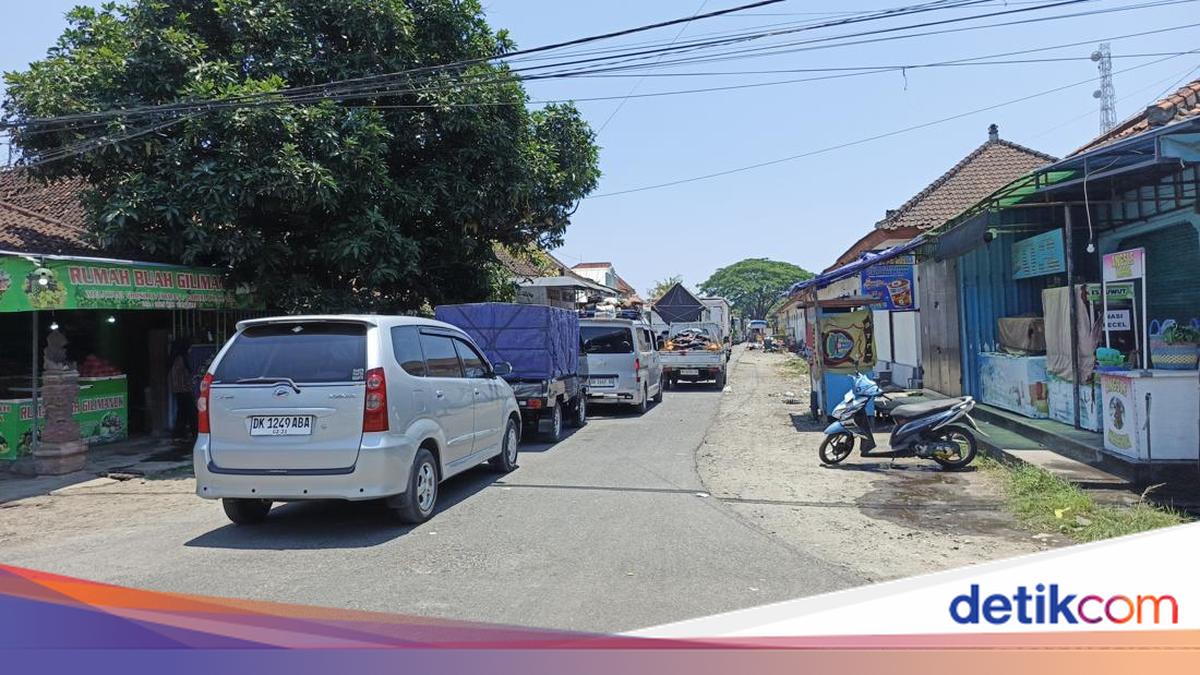
PT ASDP Indonesia Ferry (Persero) has addressed the long queues of vehicles at Gilimanuk Port, Bali, following a blockade by truck drivers at Ketapang Port, Banyuwangi, East Java, which disrupted the crossing flow from Java to Bali.
ASDP emphasised that it is currently working to accelerate the recovery of ferry service operations on the Ketapang-Giliman.imanuk route, including speeding up the vessel service cycle.
“Once a mutual agreement was reached, our focus has been on accelerating the normalisation of operations and gradually dispersing the queues. We continue to optimise available vessel capacity, including through the acceleration of service cycles and the regulation of cargo according to the characteristics and capacity of each vessel,” stated Heru in a statement, as quoted from detikFinance, Sunday (27/9/2026).
The protest, which resulted in a blockade by truck drivers at Ketapang Port, lasted from approximately 14:15 WIB to 20:00 WIB on Saturday (26/9). The action was triggered by operational dynamics following cargo adjustments by KSOP Tanjung Wangi to ensure maritime safety, including the regulation of cargo on LCT vessels consisting of large and medium trucks.
These cargo adjustments were made considering current weather and maritime conditions. According to a release from the BMKG Meteorology Station Banyuwangi-Pelabang Ketapang, an early warning for potential strong winds of 10-15 knots from the north and strong currents exceeding 1.2 m/s was issued for 15:00 WITA on Saturday.
Following communication and mediation with truck driver representatives, ASDP and other stakeholders agreed on several steps to accelerate operational recovery and maintain smooth ferry services. One such measure involves optimising vehicle distribution based on the capacity and characteristics of the operating vessels.
Vehicles with loads exceeding 30 tonnes are being directed to be served via LCM vessels, with cargo optimisation according to vessel capacity. Meanwhile, vehicles with loads below 30 tonnes are being directed through MB 1, 2, 3, and 4 vessels.
This arrangement is intended to ensure that all available vessel capacity and facilities are utilised optimally, so that vehicle distribution occurs more effectively and is not concentrated on specific types of vessels.
General Manager of ASDP Ketapang Branch, Media Syahrianto, explained that ASDP and all relevant stakeholders are continuously accelerating the vessel service cycle—from berthing and loading to departure—while maintaining operational conditions and safety standards.
“Cargo regulation is being carried out according to vessel capacity, while the vessel service process continues to be accelerated through increasingly solid coordination between officers, regulators, and operators. With these steps, the queues are expected to decrease gradually,” explained Media.
ASDP is also coordinating with shipping associations to optimise the number of trips and vessel carrying capacity. Furthermore, driver associations have committed to supporting operational smoothness by following officer instructions regarding the loading process and operational regulations within the port area.
As of approximately 15:00 WIB this afternoon, vehicle congestion was still observed on both sides of the route as a result of the operational disruptions on Saturday. This condition led to a reduction in the number of trips and an accumulation of vehicles on the access roads to the port.
On the Ketapang side, vehicle queues were recorded at approximately 12 kilometres. Meanwhile, on the Gilimanuk side, queues reached approximately 3 kilometres, with the tail of the queue observed as far as the Cekik Junction in Jembrana.
ASDP is operating 25 vessels on the Ketapang-Gilimanuk route to accelerate the dispersal of the queues. The optimisation of the number of trips is also being carried out, taking into account operational conditions, vessel capacity, cargo regulation, and maritime safety aspects.
“All elements in the field are working to maximise trips, accelerate the vessel service cycle, and gradually disperse the queues. We urge service users to continue following the instructions of officers so that the recovery process can proceed in an orderly and optimal manner,” added Media.
Source: jawawa.id (https://jawawa.id/newsitem/asdp-response-to-ketapang-port-blockade-leads-to-severe-congestion-in-gilimanuk-1790524273)
Originally published by detikBali (https://www.detik.com/bali/berita/d-8681820/respons-asdp-soal-blokade-pelabuhan-ketapang-berujung-gilimanuk-macet-parah), translated from Indonesian