
ASDP Ketapang deploys 30 ferries to clear vehicle queues
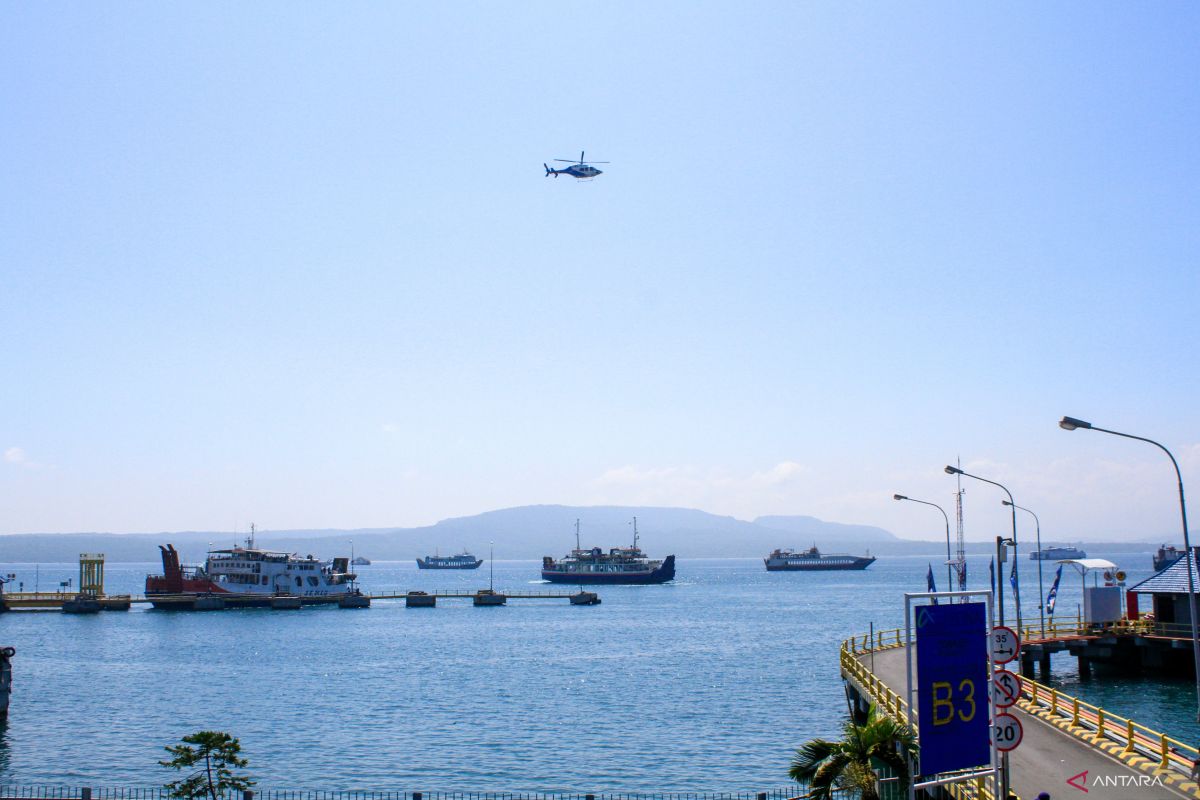
Banyuwangi (ANTARA) - PT ASDP Indonesia Ferry (Persero) Ketapang Branch, Banyuwangi, East Java, is operating between 28 and 30 ferry vessels every day to accelerate congestion management and ease vehicle queues.
The General Manager of PT ASDP Indonesia Ferry Ketapang Branch, Arief Eko Kurniansjah, stated in Banyuwangi on Sunday that as a measure to accelerate services, ASDP is operating 28 to 30 ships daily, including supporting vessels at Bulusan Pier, LCM Pier, and Pontoon Pier to increase carrying capacity.
“We have optimised all operational resources in the field to accelerate the dispersal of vehicle queues at Ketapang Port,” he said.
According to Arief, pier arrangements have also been adjusted based on vehicle characteristics; private vehicles are prioritised through MB I, MB II, MB III, and Pontoon Piers.
Meanwhile, large logistics vehicles or freight transport are served through MB IV and LCM Piers to minimise congestion and speed up the loading and unloading process, he continued.
“In addition, we are also implementing the ‘arrive-unload-depart’ (TBB) pattern to accelerate the sailing cycle. Together with all stakeholders, we are also managing traffic, grouping vehicles, and utilising the Bulusan Pier parking area so that queues can be dispersed gradually,” said Arief.
On the land side, Arief noted that ASDP, in collaboration with the Banyuwangi Police Traffic Unit, has activated the Bulusan parking area as a buffer zone capable of accommodating approximately 400 logistics vehicles. Trucks of Class VI and above are directed to this area as part of a delaying system until the piers are ready to receive new cargo.
“Small vehicles and private vehicles from the south of Banyuwangi are diverted via the Ketapang Port ring road to reduce density on the arterial roads leading to the port,” he said.
Arief added that ASDP continues to coordinate with the BMKG (Meteorology, Climatology, and Geophysical Agency) and relevant authorities to monitor weather developments and adjust operational patterns if necessary.