
Asaki Urges Strengthening of Energy Supply to Maintain Competitiveness
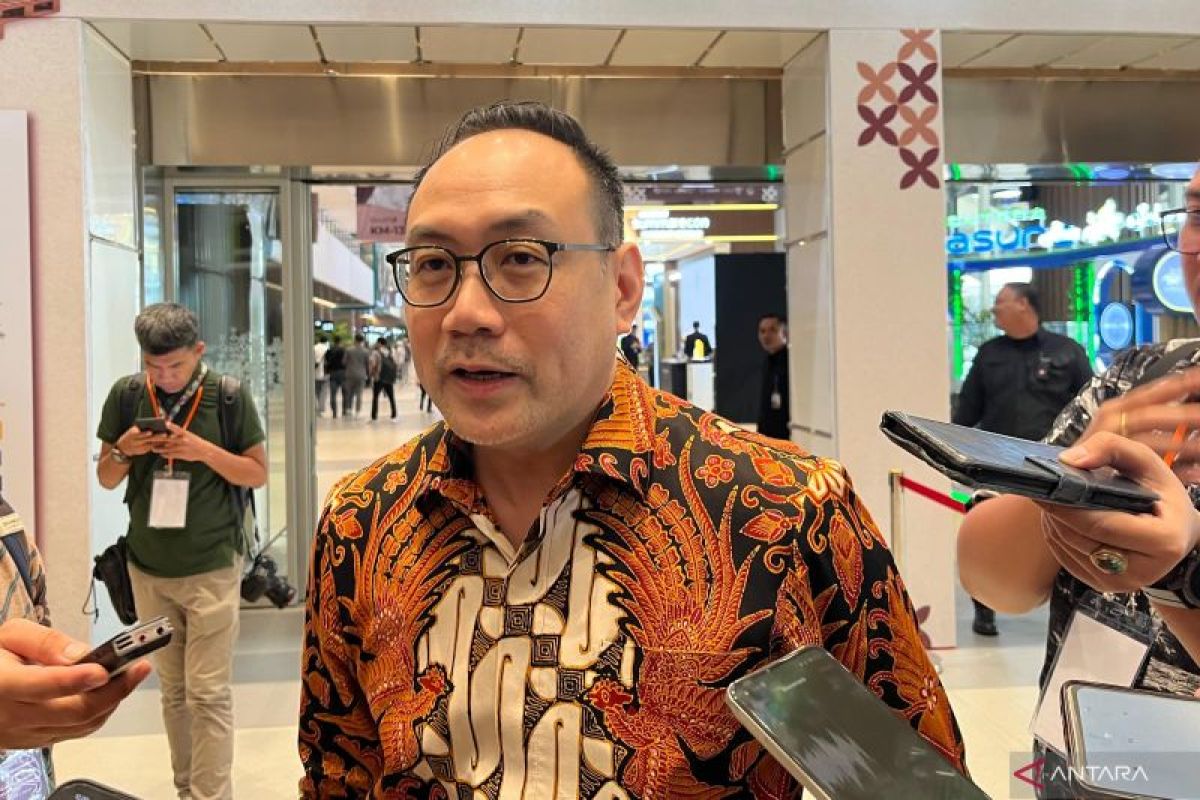
Jakarta (ANTARA) - The Indonesian Ceramic Industry Association (Asaki) is pushing for strengthened certainty in energy supplies for the national ceramic industry to maintain production sustainability and competitiveness amidst plans for increasing capacity expansion.
Asaki General Chairman Edy Suyanto, in a statement confirmed in Jakarta on Monday, expressed that limitations in energy supply, specifically gas, are beginning to directly impact ceramic industry production activities.
According to him, this condition is accompanied by an increase in industrial gas prices, which previously sat within the certain natural gas price (HGBT) range of approximately 8 USD per MMBTU, and has now risen to around 9 USD per MMBTU.
Edy assessed that the supply limitations and the rise in gas prices have the potential to disrupt the competitiveness of the national ceramic industry. This is particularly concerning as business players have prepared large-scale capacity expansions that require guaranteed energy availability.
By 2026, there is an additional production capacity of approximately 38 million square metres, increasing the national ceramic industry’s installed capacity from 648 million square metres in 2025 to 686 million square metres. Furthermore, an additional capacity of about 72 million square metres per year is projected to enter the market from 2027 through the first half of 2028. Consequently, the installed capacity of the national ceramic industry is expected to reach 758 million square metres.
This expansion requires an investment of approximately Rp12 trillion and has the potential to absorb around 7,500 workers. Therefore, according to Edy, certainty in energy supply is a crucial factor to ensure that these investment plans and capacity increases can proceed optimally.
Meanwhile, the General Chairman of the Natural Gas User Industry Forum (FIPGB) and General Chairman of the Flat Glass and Safety Association (AKLP), Yustinus, stated that the realisation of HGBT gas supply in western Java currently only reaches 88-90 per cent of the allocation set in the Decree of the Minister of Energy and Mineral Resources Number 281.K/2026.
According to Yustinus, the issue relates not only to the volume of supply but also to the gas prices that industries must pay for requirements exceeding the realised supply.