
Asaki Urges Gas Supply Discussions to Boost Ceramic Industry
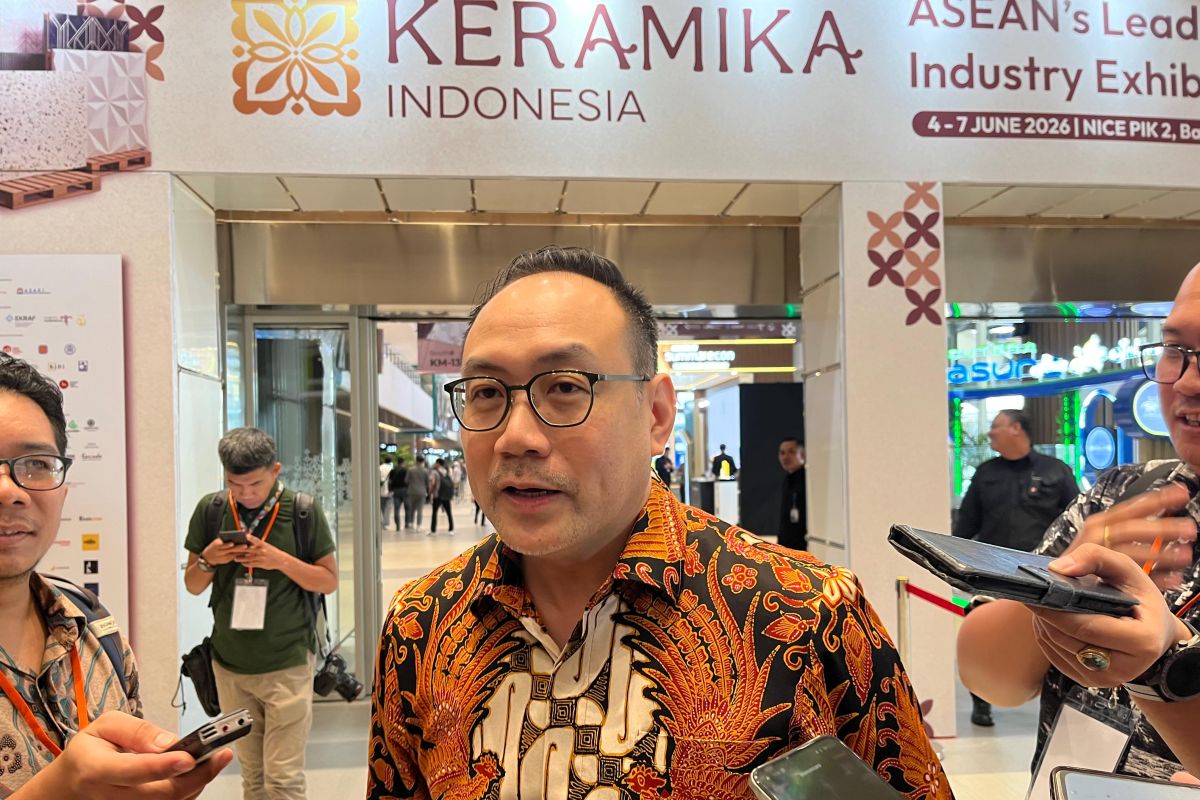
Natural gas is one of the primary factors determining the sustainability and competitiveness of the ceramic industry. The Indonesian Ceramic Industry Association (Asaki) is urging joint discussions between the government, gas suppliers, and business players regarding the supply and price of natural gas to support increased utilisation and the competitiveness of the national ceramic industry.
Asaki General Chairman Edy Suyanto, in a statement confirmed in Jakarta on Friday, stated that natural gas is a key factor in the industry’s survival. Consequently, the government is expected to intervene to find solutions to the challenges posed by gas prices and supply.
According to Edy, rising gas prices are not unique to Indonesia but are also being experienced by several competing nations. Thailand, for instance, which previously enjoyed gas prices of around US$9 per MMBTU, has seen an increase to approximately US$12 per MMBTU. Meanwhile, in Malaysia, prices that were previously in the range of US$9.4 per MMBTU are now estimated to have risen to around US$10-11 per MMBTU.
However, the situation in Indonesia presents its own specific challenges. The ceramic industry currently only receives about 40 per cent of its gas supply at a special price of US$7 per MMBTU. The remainder of the requirement must be met at much higher prices, resulting in an average gas price paid by the industry of approximately US$15 per MMBTU.
“This is the condition we fear, as it could disrupt the target of increasing industrial utilisation,” said Edy. He explained that as production levels and factory utilisation increase, energy needs and costs also rise. Therefore, the industry requires support to remain competitive against imported products and producers from other countries.
Furthermore, business players warned of potential pressure from excess production capacity in various countries, which could drive export diversions into the Indonesian market. In such conditions, price and gas availability are critical aspects that must be addressed to maintain national industrial competitiveness.
Asaki also hopes for transparency from gas suppliers regarding the price structure applied to industrial consumers. Edy noted that if Indonesia’s gas export prices are around US$8 per MMBTU, while the domestic industry must purchase at the same or even higher prices, the situation requires a joint review. He emphasised that the ceramic industry is not asking for government subsidies; rather, Asaki hopes for a constructive discussion space between the government, gas suppliers, and businesses to find a policy formulation that ensures industrial sustainability.
“If gas prices could be in the range of US$7 to US$9 per MMBTU, Indonesian industry could still compete with countries such as Malaysia and Thailand,” he added.
The Ministry of Industry noted that the current installed production capacity of the national ceramic industry reaches approximately 650 million square metres per year, with a production utilisation rate of 73 per cent, employing over 150,000 workers. To maintain competitiveness, the government continues to implement various strategic policies, including the provision of Specific Natural Gas Prices (HGBT) facilities, the enforcement of mandatory Indonesian National Standards (SNI), and trade protection through safeguard instruments and Anti-Dumping Duties (BMAD).