
As the Last Stronghold for Sumatran Elephants and Tigers, the Bentang Seblat Ecosystem Must Be Protected
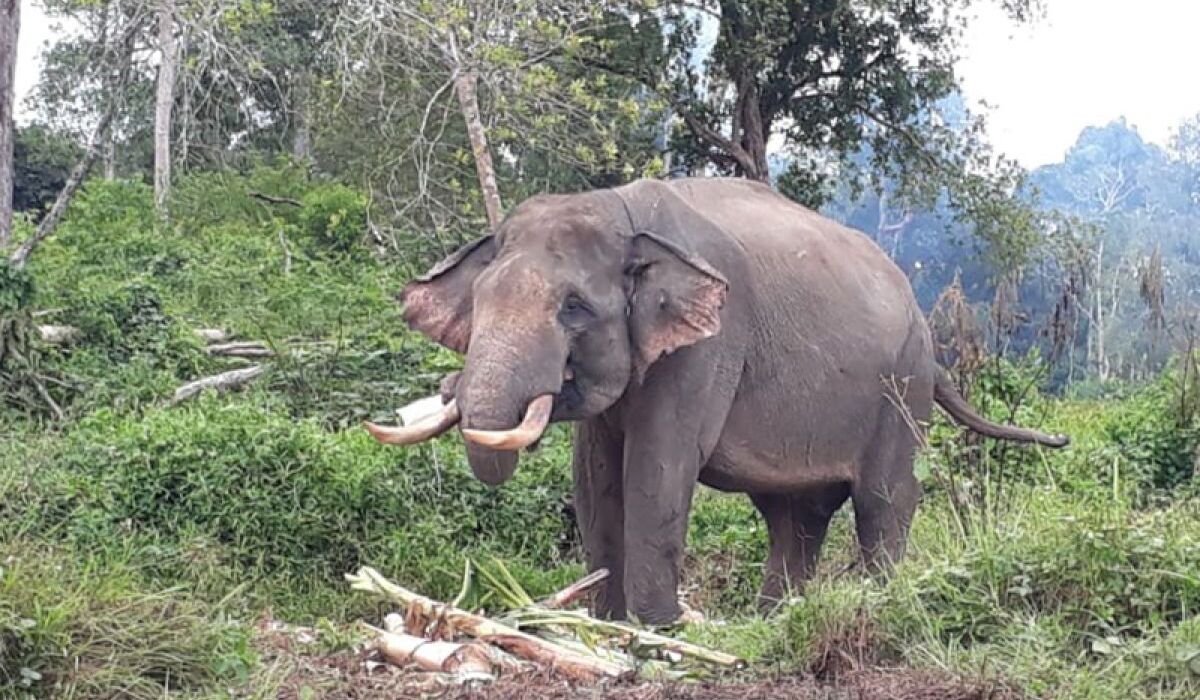
Professor Budi Setiadi Daryono, Chairman of the Indonesian Biology Consortium (Kobi) and Dean of the Faculty of Biology at UGM, has expressed profound grief and concern regarding the deaths of Sumatran elephants and Sumatran tigers in Bentang Seblat, Bengkulu. This tragic incident serves as a severe alarm for the preservation of the ecosystem in one of the last strongholds for wildlife on the island of Sumatra.
This statement follows the discovery of tiger and elephant carcasses in the Bentang Seblat area recently. According to Budi, the loss of these keystone species is not merely a biodiversity tragedy but a clear indicator that habitat pressure has reached a critical point. “Every loss of a keystone species is not just a biodiversity tragedy, but also a signal that habitat pressure and human-wildlife conflict have reached a critical stage,” Budi stated on Wednesday.
Kobi strongly condemns all forms of hunting and poisoning of protected animals. However, Budi emphasised that the deeper root of the problem is habitat fragmentation and the lack of systematic conflict prevention efforts. Without safe migratory corridors and landscape management based on science, Kobi predicts that similar cases will continue to recur. This is despite the fact that elephants and tigers play vital, irreplaceable ecological roles in maintaining forest balance.
“Maintaining the forest and ecosystem balance is a necessity, at both the community level and for the government and the state,” he asserted. As a tangible commitment, Kobi has expressed its readiness to collaborate with the government, non-governmental organisations (NGOs), academics, and the wider community, including deploying wildlife biologists to assist with field operations.
Budi hopes that Bentang Seblat can be managed harmoniously to remain a safe home for both wildlife and humans. He believes that forest sustainability is directly proportional to the welfare of the surrounding communities. “Bentang Seblat must remain a shared home for wildlife, particularly elephants and tigers, and humans, so that they can coexist harmoniously. Because when the forest is healthy, the villages on its edges will also prosper,” Budi concluded.
Dr Abdul Haris Mustari, an expert from IPB University, assessed that the death of the Sumatran elephant is evidence of economic dominance over ecology and weak implementation of conservation laws in Indonesia. The Bentang Seblat Landscape (BAS) remains a crucial habitat for Sumatran elephants. The government is expected to encourage the construction of facilities such as tunnels or underpasses to ensure elephant migratory paths remain connected and uninterrupted by human activity. This decisive step, according to Raja Juli, aligns with presidential instructions (Inpres) regarding the rescue of Sumatran and Bornean elephant populations and habitats.
Source: jawawa.id (https://jawawa.id/newsitem/as-the-last-stronghold-for-sumatran-elephants-and-tigers-the-bentang-seblat-ecosystem-must-be-protected-1780843756)
Originally published by Media Indonesia (https://mediaindonesia.com/humaniora/896568/jadi-benteng-terakhir-gajah-dan-harimau-sumatra-ekosistem-bentang-seblat-harus-dilindungi), translated from Indonesian