
As Rupiah Weakens, Public Transport Seen as a Safety Net
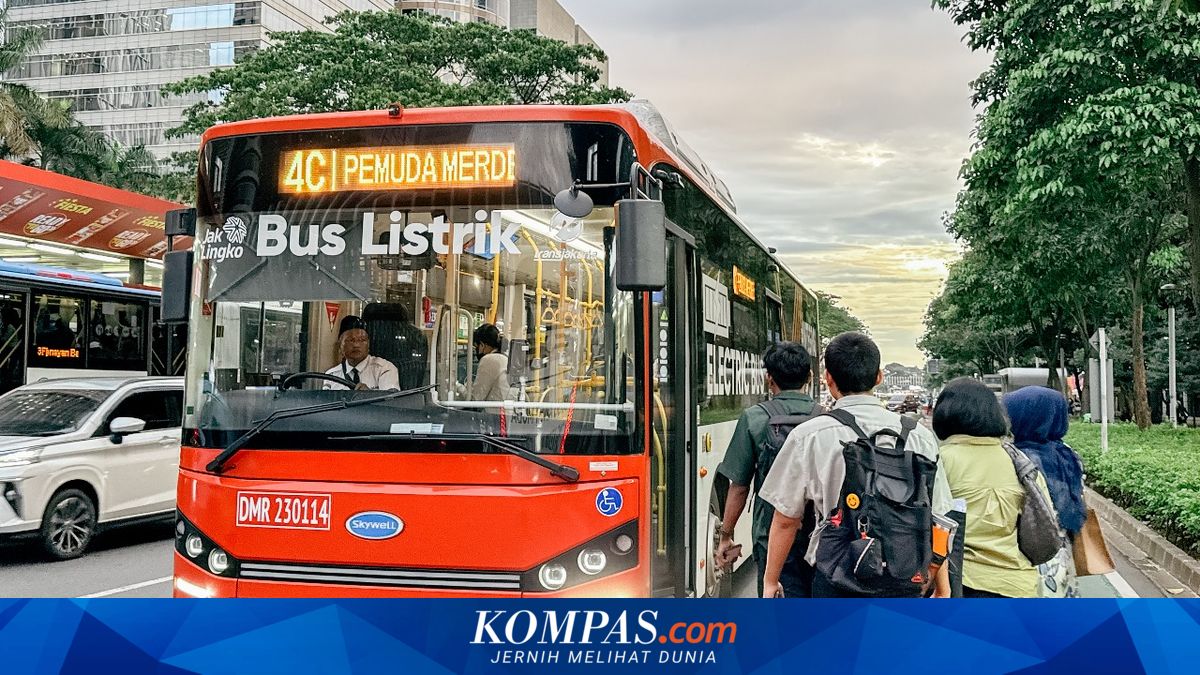
JAKARTA — The weakening of the Rupiah exchange rate and the potential for rising fuel prices are considered significant challenges for the national transport sector. Amidst these conditions, the government is deemed to need a strengthening of public transport so that the community has a cheap and affordable mobility alternative.
Djoko Setijowarno, an academic from the Civil Engineering Study Programme at Unika Soegijapranata and an advisor to the Indonesian Transport Community (MTI), believes the government has yet to place public transport development as a top priority. According to him, the government actually has significant policy space to keep transport operational costs under control, ranging from providing tax incentives to easing the cost of spare parts for public transport operators.
“There are many options available. It could be tax incentives, relief on spare parts, or assistance in purchasing fleets, as tax components are quite helpful,” he said.
Djoko believes that the modernisation of public transport should not be viewed as a burden on the state budget, but rather as a long-term investment capable of increasing economic productivity while ensuring more equitable public mobility. “Public transport is a long-term investment, not merely a state expenditure. Providing safe and affordable mobility is a government obligation,” he stated.
He proposed that the government allocate approximately Rp 10 trillion through Presidential Instruction (Inpres) schemes or the ‘Buy The Service’ (BTS) programme to build modern public transport systems in around 200 cities. Djoko noted that such a step would be far more effective than subsidising private electric vehicles, the benefits of which tend to be limited to specific groups.
He cited the success of the rural transport subsidy programme in Magelang Regency, which is able to serve hundreds of students for free every day with the support of operational incentives from the local government. According to Djoko, strengthening public transport is also vital to reducing traffic accident rates, particularly among students who are currently forced to use motorcycles due to the lack of public transport options. Furthermore, public transport is seen as a way to help reduce congestion, lower carbon emissions, and strengthen inter-regional connectivity.