
As Patient Needs Grow More Complex, Hospitals Move Towards Integrated Services
Changing healthcare needs are driving hospitals to move beyond merely providing complete medical facilities towards offering connected and integrated service systems. Amidst the increasing demand for multidisciplinary services, the integration of healthcare facilities is considered a vital factor in enhancing service quality and patient safety. This trend is evident in the steps taken by several healthcare providers to strengthen connectivity between service units.
One such initiative is being undertaken by PT Bundamedlar Medik Tbk (BMHS), which has begun constructing a connecting bridge (skybridge) to integrate the Bunda Mother and Child Hospital (RSIA Bunda) Jakarta with the Bunda General Hospital (RSU Bunda) Jakarta into a single family healthcare ecosystem. The construction of this skybridge is intended to strengthen clinical service integration, enhance patient safety, and facilitate the mobility of patients, medical staff, and support personnel. By connecting two facilities that previously stood separate, BMHS hopes the service process will become more efficient and coordinated.
The President Commissioner of PT Bundamedik Tbk, Dr Ivan Rizal Sini, stated that the development of this facility is part of the company’s effort to ensure that all services established over decades can function as a single unit oriented towards patient needs. “This skybridge reflects how we view growth—not just about adding new facilities, but ensuring that all services we have built over more than 50 years can work as a cohesive whole, ultimately centred on patient needs,” he said in an official statement on Wednesday.
The groundbreaking ceremony for the skybridge was also attended by the Governor of Jakarta, Pramono Anung Wibowo. According to Pramono, the enhancement of service facilities at Bunda Hospital is expected to impact not only medical operations but also provide better comfort for patients and their families. “Hopefully, with this connecting bridge, Bunda Hospital can make a greater contribution to the health and comfort of the community, thereby significantly improving the quality of life in Jakarta,” he remarked.
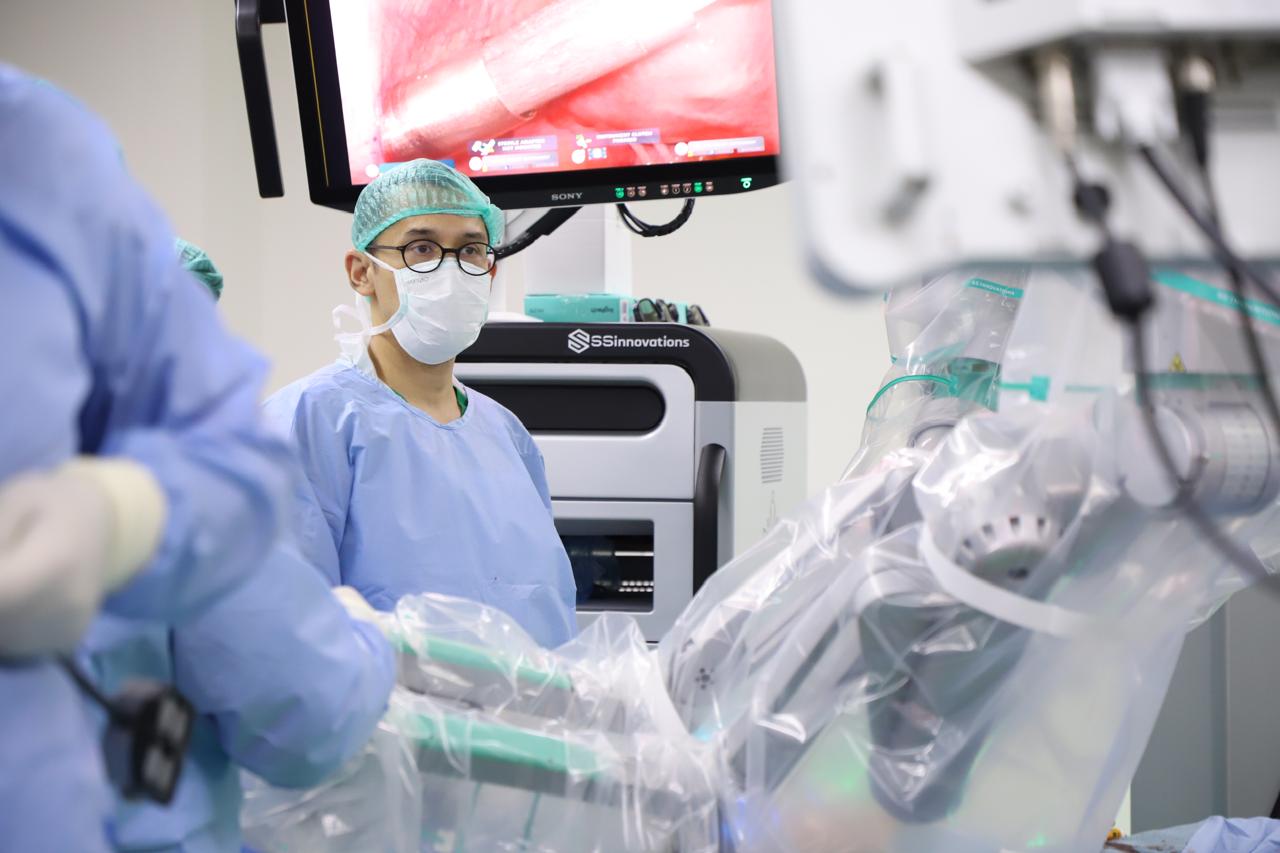
This integration step is also part of BMHS’s strategy to strengthen its existing healthcare ecosystem. The President Director of PT Bundamedik Tbk, Agus Heru Darjono, stated that the infrastructure development is designed to support the growth of the company’s flagship services, ranging from neonatal care to robotic surgery. He noted that high clinical standards must go hand-in-hand with service integration and improved patient safety standards.
The need for connected service systems is becoming increasingly relevant as the complexity of health cases handled by modern hospitals rises. Patients often require treatment from various disciplines simultaneously, making coordination between service units a critical factor in determining the quality of care. Within the Bunda Jakarta Hospital environment, this integration will link two flagship services that were previously located in different facilities. In the field of neonatology, RSIA Bunda Jakarta serves as a national referral centre with 14 Neonatal Intensive Care Unit (NICU) beds, handling hundreds of high-risk infants annually with the support of neonatology subspecialists.
Furthermore, BMHS is known as a pioneer of the Family Integrated Care (FICare) programme in Indonesia, an approach that actively involves parents in the care of premature babies to improve clinical outcomes. On the other hand, the Bunda Hospital Group is a pioneer of robotic surgery services in Indonesia. Since its introduction in 2012, more than 900 robotic surgical procedures have been performed across its hospital network. By connecting both facilities via the skybridge, access to neonatal and robotic surgery services is expected to become easier and more coordinated. This integration will also allow for more efficient mobility for patients and medical staff compared to when the two buildings were physically separate.