
As Narcotics Evolve, Indonesia Still Relies on Prevention
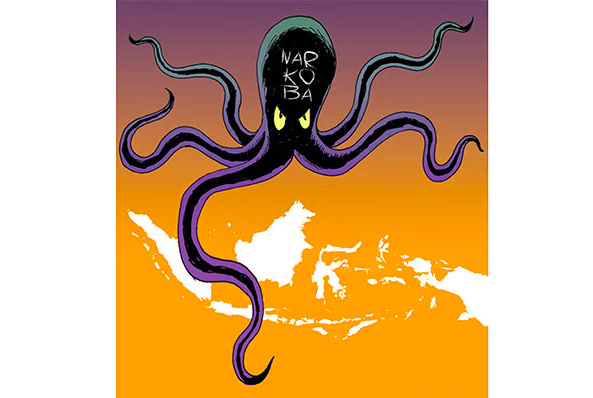
The 2026 International Anti-Narcotics Day (HANI) commemoration takes place amid the changing face of an increasingly complex narcotics threat. If drug trafficking was once synonymous with conventional transactions and easily mapped networks, the modus operandi has now evolved far more rapidly. The emergence of hundreds of new psychoactive substances (NPS), the misuse of vapes laced with narcotics, and the use of digital technology in the distribution of illicit goods are new challenges that continue to grow.
As the threat evolves, Indonesia still faces the fundamental problem of high rates of narcotics abuse, particularly among the younger generation. Data from the 2025 BNN National Survey shows the prevalence of narcotics abuse reached 2.11 per cent, or around 4.15 million people aged 15 to 64 years. Worryingly, the number of drug users in the 15–24 age group increased from 1.81 per cent to 2.53 per cent. This condition serves as an alarm that the productive age group and students are now easy targets for illicit narcotics trafficking networks.
Changes in consumption patterns, easy access to information via social media, and the emergence of new products packaged to resemble ordinary consumer goods make the narcotics threat increasingly difficult to recognise. BNN RI Deputy for Rehabilitation Bina Ampera Bukit stressed that children and adolescents require special attention because they have a higher level of vulnerability compared to other age groups. Based on the 2024 National Survey of Children and Adolescents’ Life Experiences (SNPHAR), 60.78 per cent of children aged 13–17 who are victims of narcotics abuse also experienced violence.
“Children who are victims of narcotics abuse are children with layered vulnerabilities. Therefore, they need us, not only as officers but also as protectors,” said Bina in a statement on Thursday (25/6). These findings indicate that the narcotics issue is no longer solely a legal and security matter. Narcotics abuse in children is often intertwined with social issues, the family environment, mental health, and violence experienced by the victim. Therefore, the handling approach cannot rely solely on taking action against illicit trafficking perpetrators.
In response to these conditions, BNN is strengthening its prevention strategy through the ANANDA BERSINAR Movement, or the National Anti-Narcotics Action Starting from Clean Indonesian Children. The programme is designed to build the resilience of the younger generation from an early age through educational, family, and community approaches. BNN RI Principal Secretary Tantan Sulistyana explained that the programme is one of BNN’s priority strategies in facing the narcotics threat that increasingly targets the younger age group.
This programme touches all levels of education, from early childhood education, kindergarten, primary, junior secondary, and senior secondary schools to universities. “The Head of BNN RI has formulated a strategic programme aimed at anticipating and protecting the younger generation from the threat of narcotics abuse through the Ananda Bersinar programme,” said Tantan. BNN is also collaborating with the Ministry of Primary and Secondary Education to integrate anti-narcotics material into the education curriculum.
In addition, strengthening the role of adolescents as agents of change and building family and community resilience through the Bersinar (Clean) Village programme continues to be promoted as the first bastion of prevention. On the other hand, strengthening rehabilitation remains an important part of the national strategy for handling narcotics. BNN Director for Strengthening Community Component Rehabilitation Institutions Syamsul Bahar revealed that throughout the 2020–2025 period, BNN had fostered 400 community rehabilitation partner institutions. Of that number, 134 institutions have met the national standards for rehabilitation services.
“A total of 49 institutions have achieved full compliance with the Indonesian National Standard (SNI) 8807:2022, while 85 other institutions are at a compliance level above 75 per cent,” he disclosed. This year, BNN is targeting 23 other partner institutions to achieve maximum national standard compliance through assistance and mentoring programmes. Nevertheless, the challenges of eradicating narcotics in the future are not expected to become any lighter. The development of synthetic narcotics, the ease of transactions through digital platforms, and changes in consumption patterns among the younger generation demand a more adaptive response than before.
The momentum of HANI 2026 serves as a reminder that the war against narcotics cannot be filled with mere ceremonies and symbolic campaigns. The ever-evolving threat requires more progressive policies, a stronger prevention system, and closer collaboration between the government, families, schools, and the community. As narcotics networks continue to find new ways to reach their victims, Indonesia is required not only to strengthen enforcement but also to ensure its young generation has sufficient resilience to reject narcotics from an early age.