
As Mobility Increases, KAI Implements 'Safety at Scale' Approach for Level Crossings
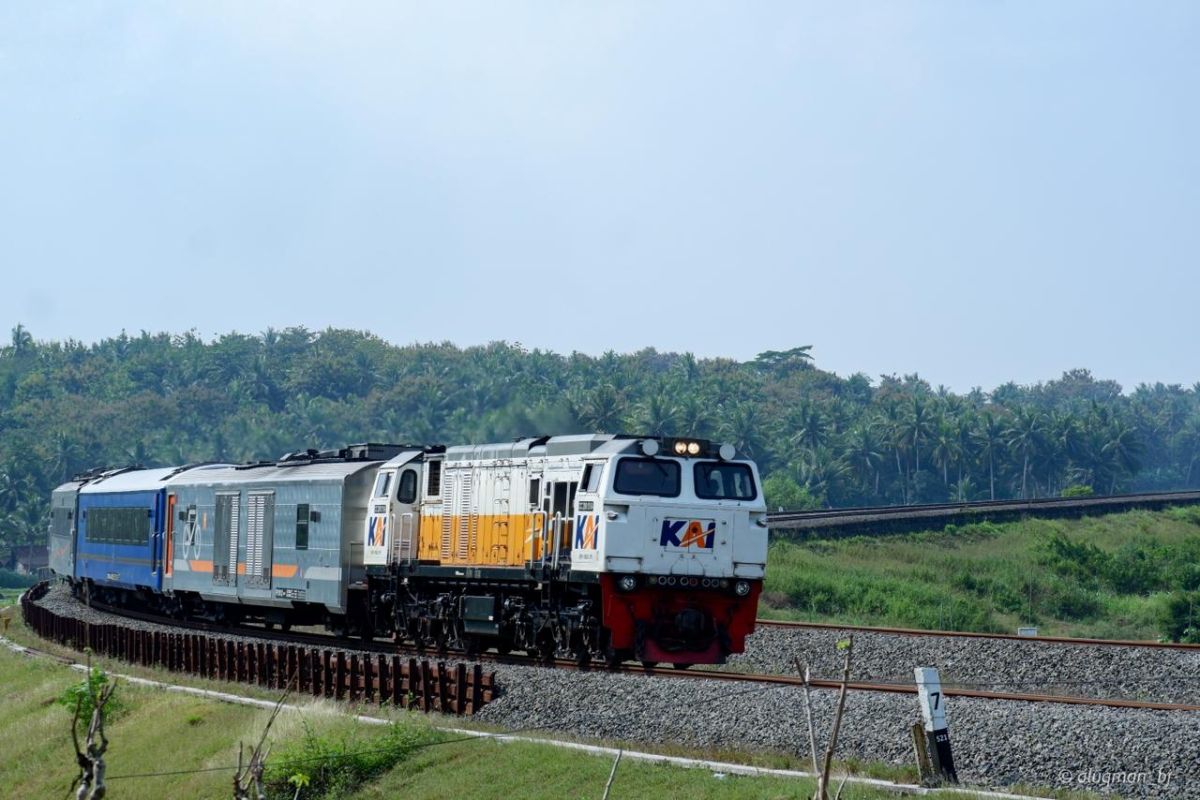
Jakarta (ANTARA) - The growth of mass transport brings global challenges that are as significant as capacity: how a system can grow safely. UN-Habitat notes that road accidents still claim approximately 3,260 lives daily worldwide, while increasing urban mobility demands transport systems that are safer, more inclusive, and more integrated.
In Indonesia, this urgency is growing alongside the rise in railway usage. Between January and July 2026, KAI Group served 307.86 million passengers, an increase of 8.32%. KAI Commuter served 242.93 million passengers, while long-distance and local trains managed by KAI reached 35.26 million passengers.
KAI Vice President of Corporate Communication, Anne Purba, stated that network growth must be accompanied by a ‘safety at scale’ approach. “The higher the intensity of travel, the greater the need for operational discipline, risk management, human resource readiness, technology, infrastructure, and collaboration throughout the network,” said Anne.
One of the most complex points of interaction is at level crossings. KAI has identified 190 priority points for safety improvements at level crossings in 2026 across nine Regional Operational Offices (Daop) and four Regional Divisions (Divre). The programme includes substations, signage, safety and communication equipment, certified crossing guard personnel, and the phased installation of crossing gates.
KAI’s approach is also becoming increasingly data-driven. From the mapping of 1,214 level crossings, there are 43 locations categorised as high risk, 630 as medium risk, 538 as low risk, and three as very low risk.
“Risk mapping allows interventions to be designed based on field conditions. Road traffic characteristics, crossing status, environment, and train travel intensity differ at every location,” said Anne.
KAI, alongside stakeholders, has also successfully realised the closure of 172 level crossing locations that were part of the programme targets.
On the corporate side, the 2026 Long-Term Corporate Plan (RJPP) places the strengthening of the Train Safety & Security System, intelligent rail service and inspection, digitalisation of infrastructure management systems, and the modernisation of rolling stock as part of the theme ‘Strengthening Operational and Organisational Foundations’.
According to Anne, safety also requires public participation because the space around the tracks interacts directly with community activities. “Technology and facilities provide a layer of protection. The discipline of road users, compliance with signage, and inter-agency coordination complement that layer,” said Anne.
“World-class railways begin with the ability to grow safely. As the number of journeys increases, risk management standards must also become more mature,” Anne concluded.