
As KRL Passenger Numbers Rise, Danantara Urges KAI to Draw Up a Masterplan
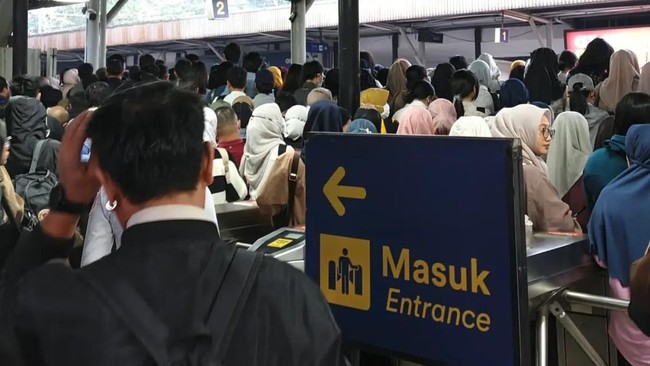
BP BUMN and Danantara have asked PT Kereta Api Indonesia (Persero), or KAI, to draw up a railway transformation masterplan to increase capacity and service quality, particularly on the Jabodetabek commuter rail network. KAI has been asked to prepare a roadmap covering rolling stock and infrastructure needs, network capacity upgrades and the customer experience.
Dony Oskaria, head of BP BUMN and Danantara’s chief operating officer, said preparing the masterplan was a strategic step to anticipate passenger growth and ensure the long-term development of railway infrastructure and services was properly directed.
“I have asked them to prepare a roadmap, a masterplan for the transformation of public rail transport,” Dony said, according to BP BUMN’s official Instagram account. He was speaking during a meeting with KAI president director Bobby Rasyidin at Wisma Danantara in Jakarta, in remarks cited on Thursday, 15 October 2026.
KAI forecasts that the Jabodetabek commuter rail network will carry 375 million passengers in 2026, exceeding its initial target of 369 million. Passenger numbers had reached 271 million by September 2026. Over the longer term, annual passenger volumes are projected to approach 600 million by 2036.
To meet this growth, KAI is preparing to increase service capacity by shortening intervals between trains and adding capacity to trainsets. On the Green Line towards Serpong and Rangkasbitung, the target is to reduce intervals to less than 10 minutes by using SF-12 trainsets. Capacity upgrades using SF-12 trainsets on the Cikarang and Bogor lines are targeted to be ready in 2028–29.
The masterplan will also cover improvements to all operational support systems, including optimising the number of trainsets, increasing station and platform capacity, strengthening communications systems and addressing sections with the heaviest rail traffic.
Through a comprehensive masterplan, BP BUMN and Danantara are urging KAI to ensure that all development is integrated and keeps pace with passenger growth. The effort is expected to increase carrying capacity and deliver more comfortable, efficient and reliable public transport for the public.
“So every pillar needs to be put in order: the stations, the masterplan, the number of trains, the stations, the communications equipment, the busiest traffic points and the capacity of the stations there,” Dony said.