
As Electric Vehicles Surge in Jakarta, Provincial Government Prepares Battery Waste Management
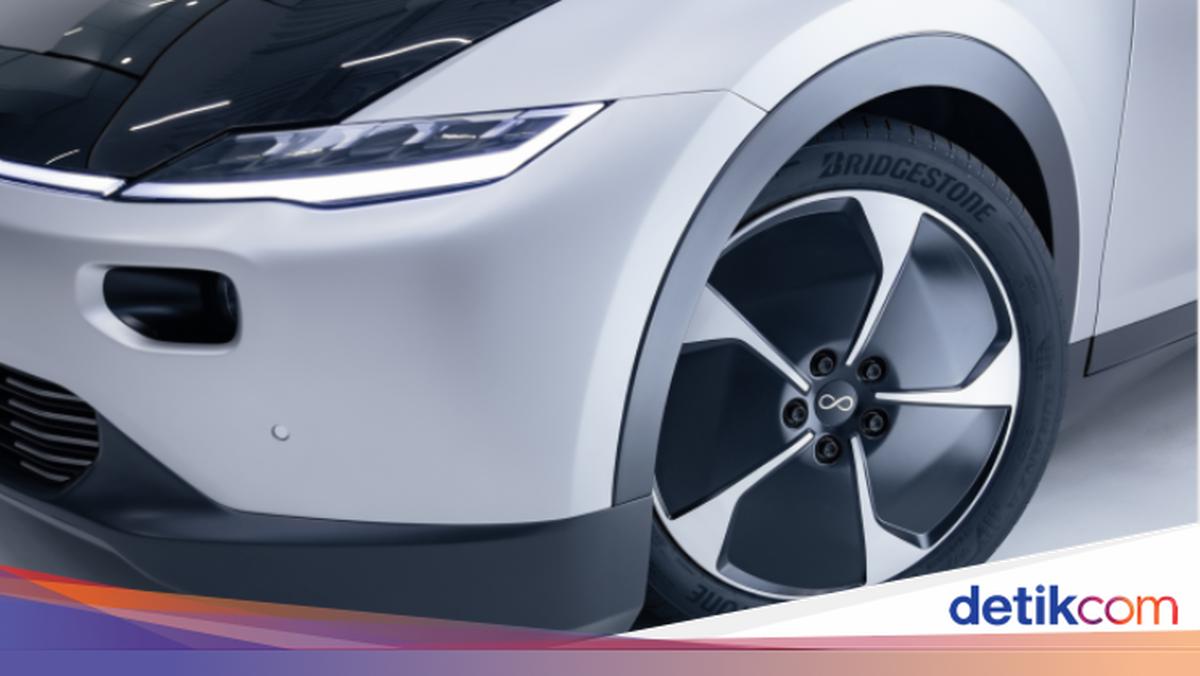
The Jakarta Provincial Government is preparing to manage waste from used electric vehicle batteries in anticipation of potential environmental pollution. The move comes amid rising use of electric vehicles in the capital.
Jakarta Environmental Agency head Dudi Gardesi said the agency was working with the University of Indonesia’s Institute for Applied Science to prepare a study on battery waste management. The study is expected to provide the basis for policies ensuring that battery waste is handled safely and sustainably.
“Through the study being conducted with the University of Indonesia’s Institute for Applied Science, the Jakarta Provincial Government is seeking to strengthen its plans for managing battery waste so that it does not affect the environment or the public,” Dudi said in a statement on Thursday (29 October 2026).
Dedy Setiono, head of the Hazardous and Toxic Waste Management Division at the Jakarta Environmental Agency, said Jakarta was one of Indonesia’s main centres for electric vehicle use. In 2023, the capital had 55,240 battery electric vehicles, or around 68 per cent of the national total.
“The more electric vehicles are used, the greater the volume of used batteries that will need to be managed,” Dedy said.
He said the study was needed to shape appropriate management policies and strategies to prevent potential pollution. Used batteries could also be a source of materials that can be recovered and reused as battery feedstock.
Amelia Rachmatunisa, coordinator of the Cross-Border Waste Movement and Convention Working Group at the Ministry of Environment, stressed the importance of recovering valuable materials from battery waste. She urged that the waste be processed into a new resource rather than simply discarded.
“We encourage waste generated to become a new resource. Landfilling should therefore be avoided as far as possible, with recovery and processing prioritised,” Amelia said.
As well as recovering materials contained in them, used electric vehicle batteries could be put to other uses through the concept of a “second life”.
Slamet, acting head of the EBTKE Centre for Survey and Testing at the Ministry of Energy and Mineral Resources, said used electric vehicle batteries could be reused for energy storage. They could also potentially power low-speed vehicles such as forklifts.
An effective management system will also require a collection network for used batteries. Putri Ghassani Ramadhina, circular economy expert at the Ministry of National Development Planning’s Directorate of Environment, said repair shops that have partnerships with manufacturers could serve as collection points.
Putri said local governments needed to ensure that the collection chain and subsequent handling of used batteries could be properly monitored.
“Local governments have an important role in monitoring used-battery collection systems. A robust monitoring system is therefore needed to ensure that collection from repair shops through to the next stages proceeds properly,” Putri said.
The study is expected to help the Jakarta Provincial Government establish a system for managing electric vehicle battery waste, from collection through to processing. The effort would also support the recovery of valuable materials and reduce the risk of environmental pollution.
Source: jawawa.id (https://jawawa.id/newsitem/as-electric-vehicles-surge-in-jakarta-provincial-government-prepares-battery-waste-management-1793271195)
Originally published by detikcom (https://news.detik.com/berita/d-8729848/dki-diserbu-kendaraan-listrik-pemprov-siapkan-pengelolaan-limbah-baterai), translated from Indonesian