
As Chinese Espionage Goes Global, the US Becomes a Target for China's 'Secret Police'
REPUBLIKA.CO.ID, BEIJING – An office building with glass walls above a ramen shop in the heart of Manhattan’s Chinatown looks ordinary enough. It is located on a block bustling with Chinese restaurants, grocery stores, and apartments.
In 2022, Lu Jianwang, the 64-year-old president of a Chinese community group, opened an office on one of the building’s floors.
He set up an office to help Chinese expatriates renew their driver’s licenses and play ping pong at a table in the conference room.
However, as reported by the BBC, it wasn’t long before the Federal Bureau of Investigation (FBI) raided the place and accused Lu of taking orders from the Chinese government to establish what is believed to be the first overseas ‘police station’ in the US.
This week, Lu was found guilty of acting as an unregistered foreign agent for China. The verdict came just days after a California politician pleaded guilty to similar charges of being a ‘Chinese agent’.
The mayor of Arcadia, Eileen Wang, admitted that she uploaded propaganda on a website targeting Chinese-American communities at the behest of the Chinese government.
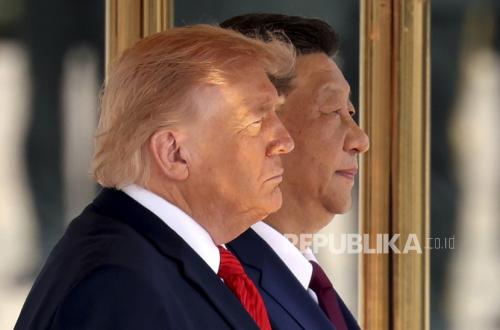
Both verdicts occurred in the same week that President Donald Trump was heading to Beijing for a ‘rare’ meeting with Chinese President Xi Jinping. The two avoided topics such as espionage and focused on trade.
However, experts say that the two cases in the US highlight the extensive influence of the People’s Republic of China (PRC) and its increased efforts to spread its influence around the world over the past decade. China is spreading its influence through the strategic use of ‘soft power’, such as funding projects and industries abroad, as well as through more covert means.
“This is part of the same strategic approach, which is to suppress dissent and shape a clear narrative about the PRC, and to do so in a more assertive way, as we are seeing,” said Lauryn Williams, deputy director at the Center for Strategic and International Studies, who has been tracking Chinese espionage cases in the US since 2000.
See this post on Instagram
Mahjong and ping pong