
As an Accident-Prone Location, What is a Level Crossing for Railways?
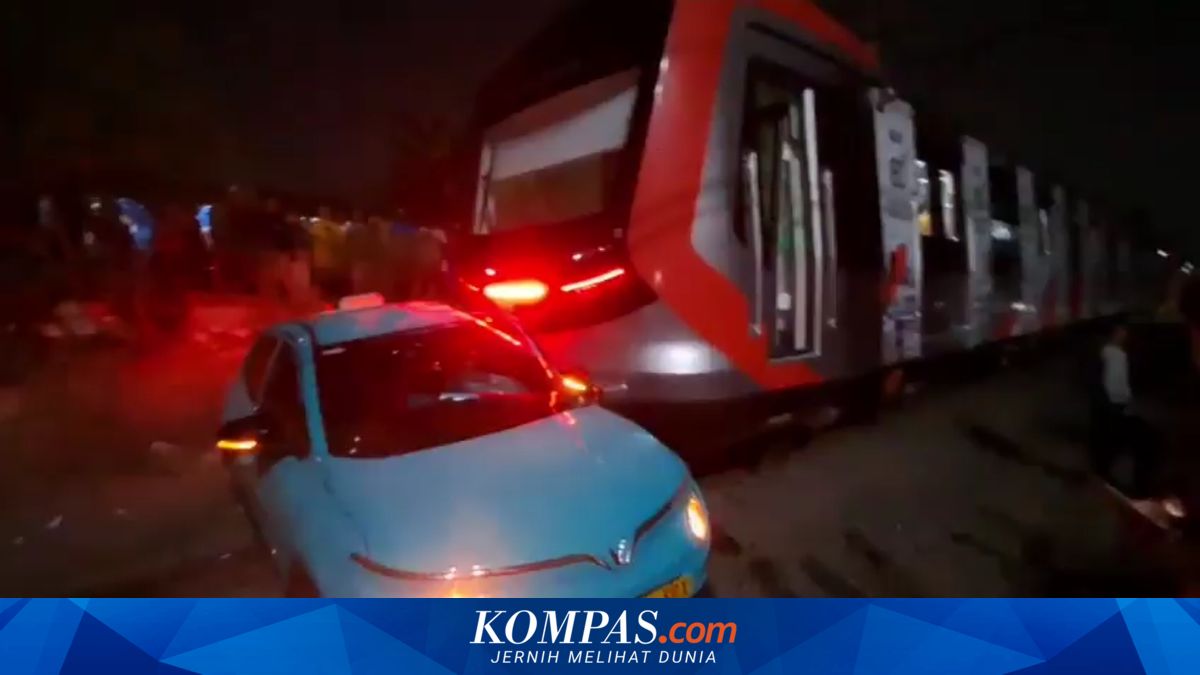
Level crossings for railways remain one of the most accident-prone points in various regions. Numerous incidents occur because drivers recklessly bypass barriers or fail to stay alert when a train is approaching. So, what exactly is meant by a level crossing? According to Ministry of Transportation Regulation No. 94 of 2018, a level crossing is the intersection between a road and a railway track located on the same ground plane. Because they are level on the ground surface, this point is called “sebidang.” However, their existence also carries high risks if not equipped with safety facilities or if not adhered to by road users. Level crossings often attract attention because of the significant risks involved, with safety at these crossings becoming a top priority in railway operations. At some level crossings, there are crossing guards (PJL) who are tasked with ensuring security. They monitor traffic, operate barriers, and warn users. The presence of guards and barriers helps reduce the potential for accidents. However, on the other hand, barriers that are frequently closed, especially on busy train routes, can cause long queues of vehicles. In the context of transportation safety, railways have higher priority. This is because trains cannot stop quickly, carry heavy loads, and have fixed schedules. Level crossings serve an important function as public access but also harbour high risks. Discipline among road users in complying with barriers and warning signs is the key to preventing accidents.