
As Aluminium Prices Skyrocket, Indonesia Doubles Down on Coal Consumption
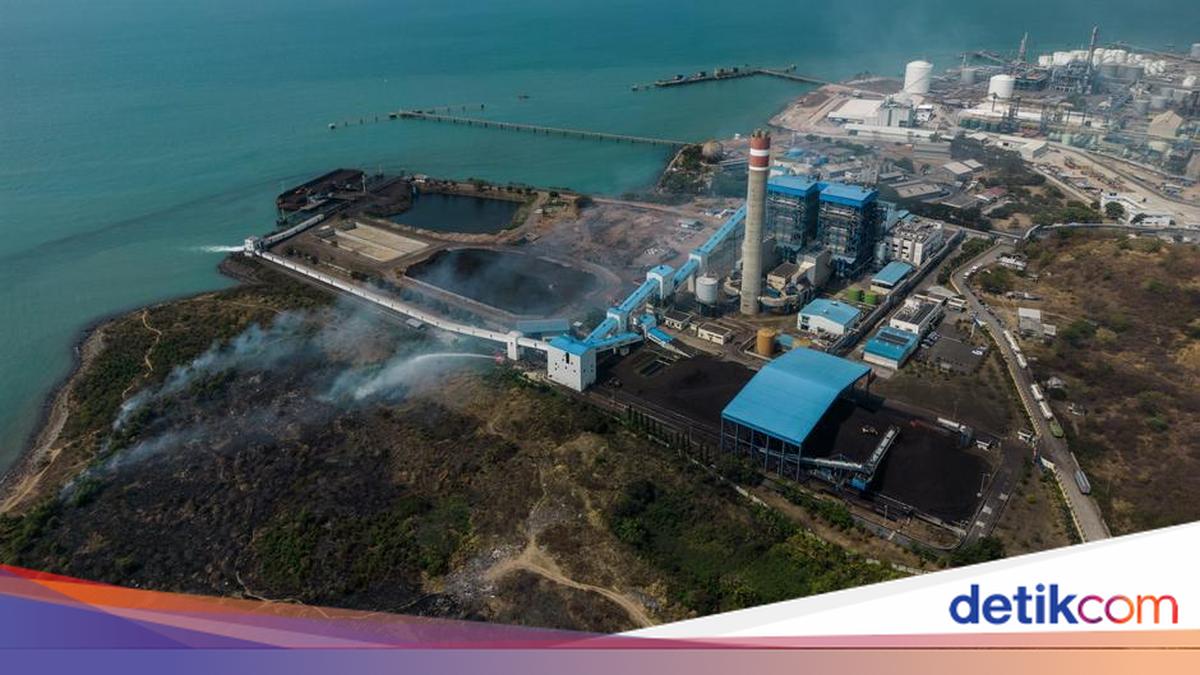
Indonesia aims to increase its aluminium production as the war in Iran disrupts global supplies and drives up metal prices. To accelerate smelter construction, Indonesia is relying on its abundant coal reserves, despite this move contradicting efforts to reduce carbon emissions.
Production disruptions in the Middle East provide Southeast Asia with an opportunity to capture a portion of the global aluminium supply. The Middle East typically produces around 9% of the world’s aluminium, but regional production is expected to drop by 44% this year compared to 2025, according to commodity information agency Fastmarkets.
Iran War Creates New Opportunities
Energy shortages have led Emirates Global Aluminium to cancel several deals, while Qatar Aluminium Ltd. has cut production. Iranian attacks have also damaged facilities at Aluminium Bahrain.
Prior to the Iran war, aluminium was traded in the range of US$3,150–3,250 (approximately IDR 55.9–57.7 million) per metric tonne. Prices subsequently surged to US$3,780 (approximately IDR 67.1 million) in June and currently hover around US$3,400 (approximately IDR 60.3 million).
Andy Farida from Fastmarkets stated that supply uncertainty is driving consumers to seek alternatives. “When supply is so uncertain, end-users look for alternatives,” said Farida. “The war has truly accelerated this transformation and placed Indonesia on the map.”
Indonesia plans to massively increase its production capacity. According to the Centre for Research on Energy and Clean Air (CREA), Indonesia’s alumina production is targeted to quadruple to 32.5 million metric tonnes by the end of the decade. Aluminium production is also targeted to rise from approximately 1 million metric tonnes in 2025 to 14.5 million metric tonnes by 2030.
New Smelters Dependent on Coal
This production increase requires vast amounts of energy. The aluminium production process begins with mining bauxite ore, which is then refined into alumina before being smelted into aluminium.
CREA noted that 32 off-grid coal-fired power plant projects are being considered specifically to supply electricity for aluminium smelters. Such facilities are known as “captive coal.”
Public data regarding emissions from these plants remains limited, according to Syahverna Moezbar from CREA in Jakarta. “The explosion of captive coal across Indonesia is essentially untraceable. That is what makes it very worrying,” he said.
This move also runs counter to Indonesia’s pledge to reduce coal usage, the primary fossil fuel responsible for high pollution and a major source of global warming emissions. The aluminium industry itself contributes approximately 2% of global greenhouse gas emissions annually, equivalent to about 1.1 billion tonnes of CO2 equivalent, according to the World Economic Forum.
China is a vital partner in this expansion. Chinese companies have invested in approximately three-quarters of the planned aluminium projects in Indonesia. According to CREA, Chinese investment in Indonesia’s aluminium sector currently ranges between US$5.5 billion and US$6 billion and is expected to rise to US$30 billion by 2030. According to Putra Adhiguna from the Energy Shift Institute in Jakarta, the expansion of Chinese companies into Indonesia is linked to production restrictions on aluminium within China that have been in place since 2017.
Rapid Expansion Triggers Environmental Concerns
Indonesia categorises nickel and aluminium as “transition minerals” because both can be used in clean technologies, including electric vehicle batteries and solar panels. However, the situation raises concerns regarding the use of coal to produce metals categorised as supporting the energy transition.
Binbin Mariana from the environmental advocacy group Market Forces stated it remains unclear what the end products of Indonesian metals, including aluminium and nickel, will be used for. “This is a very large gap; an elephant could walk through it,” she said. “You say this is a green product, but the product is powered by coal… That is clearly greenwashing.”
Aluminium smelters could actually use cleaner energy sources, such as hydropower. However, according to Adhiguna, that option requires more time and higher costs. “The factor of speed is truly causing the chaos,” he said. “This truly contradicts the spirit and commitment to the climate movement.”
Muhammad Al Amin from Wahana Lingkungan Hidup (WALHI) stated that the increase in captive coal plants for aluminium could potentially exacerbate the toxic haze that frequently blankets cities in Southeast Asia, including Jakarta. “If companies want to expand captive coal for aluminium, in my opinion, this is very bad news and a very bad development. We have already seen it, we have already felt it, how society suffers from the impacts of captive coal,” he said.
CREA estimates that if all planned aluminium projects begin operating by 2030, Indonesia’s bauxite reserves could be depleted in less than 12 years.