
Around 4,000 People Killed in This City Due to Toxic Smog
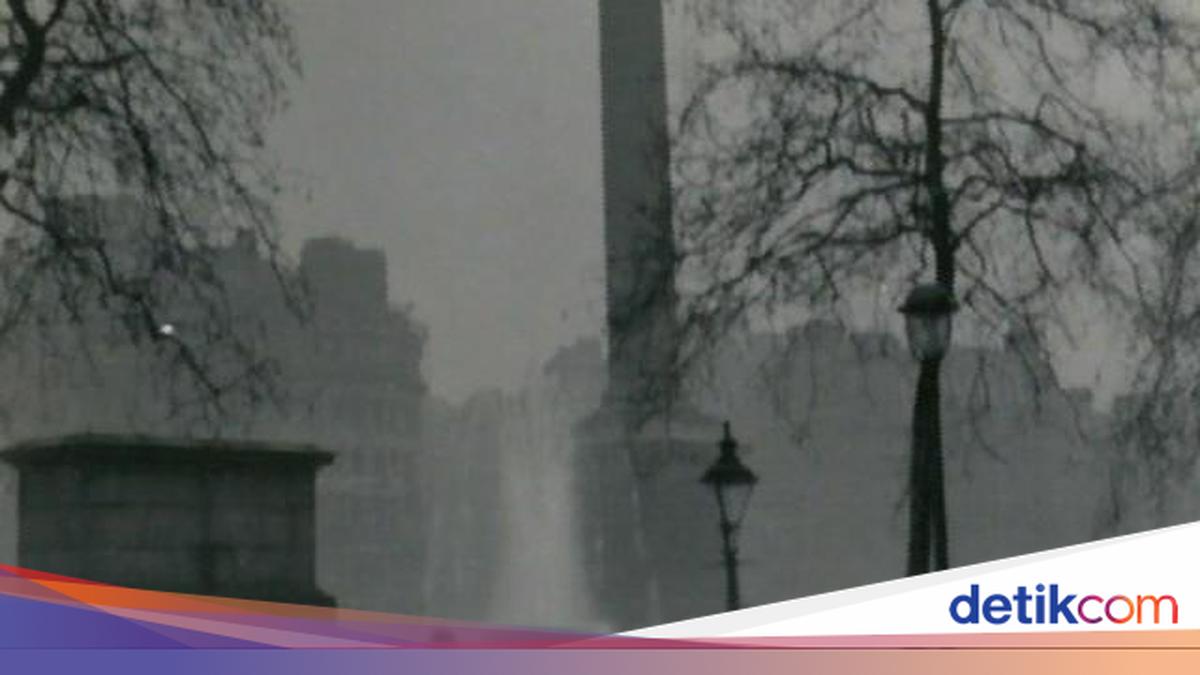
A smog disaster once struck London, England, in 1952. At least around 4,000 people died during this period due to the smog.
According to the official website of the City of London, this event began on 5 December 1952. The smog disaster lasted for five days.
This fog was a combination of smoke and natural mist that trapped pollutants at ground level. Smog phenomena had actually become common in large British cities since the mid-19th century due to coal usage, but the 1952 event occurred on an extraordinary scale.
Pollution at that time was very different from modern pollution. The sources of pollution originated from domestic coal. Coal was used massively in household fireplaces to heat rooms during the winter season.
Additionally, coal-fired power stations and industrial furnaces were still widely operating within the city area. The dominant pollutants were black smoke particles and sulphur dioxide (SO2).
History of the Deadliest Environmental Tragedy
This disaster is recorded as one of the deadliest environmental tragedies in British history. It is estimated that there were 4,000 excess deaths recorded in that single month (December 1952) as a direct result of the smog impact.
Exposure to such extreme pollution triggered severe cardiovascular and respiratory disease attacks among London residents.
The magnitude of this environmental disaster forced the government to implement radical changes in pollution control policy.
The London government introduced the Clean Air Act 1956. This policy was a direct response to the 1952 disaster. The law granted authority to local authorities to establish smoke control zones.