
ARIKSA Urges Indonesia to Formulate Space Regulation for National Independence
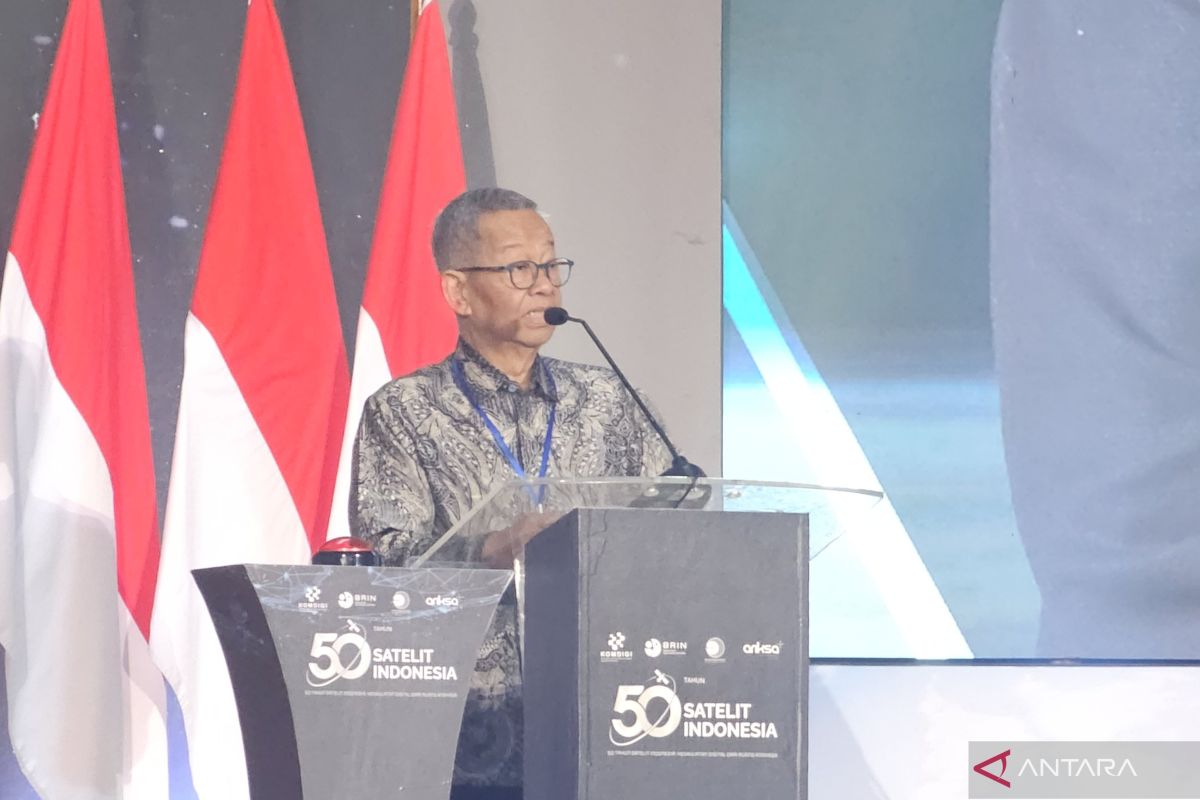
The Indonesian Space Association (ARIKSA) has stated that a dedicated space regulation is necessary for Indonesia to achieve national independence in the space industry before 2045. ARIKSA Chairman Adi Rahman Adiwoso said this specific regulation is crucial to create an ecosystem that supports the growth of domestic space production. “We must have an infrastructure regulatory that supports the growth of independence for producers, not just remain as consumers. Indonesia needs a space policy 2045, we hope it can be finalised soon to become a blueprint for building our own space capabilities,” Adi said in Jakarta on Wednesday. He noted that the space sector represents the future, and the development of space technology is a competition that determines a nation’s sovereign rights. Adi pointed to the United States, which has a specific programme to foster startups through the National Aeronautics and Space Administration (NASA), and Japan, which has prepared a fund of 6.7 billion US dollars (approximately Rp108.28 trillion) in 2024 for a total of 10 years as an investment in space for the Japan Aerospace Exploration Agency (JAXA). He argued these investments are made not only to grow technological and industrial innovation but also to develop young talent. According to Adi, this shows that the space sector is a new arena of competition, and Indonesia must immediately formulate a special regulation to serve as a national guideline. Reinforcing ARIKSA’s recommendation, the Head of the National Research and Innovation Agency (BRIN), Arif Satria, also suggested the establishment of a space roadmap. He stated that as global industry players increase, orbital slots in space are becoming more crowded, and without an effective roadmap, Indonesia’s sovereign rights in space could be threatened. “International governance still applies the ‘first come, first served’ principle. Therefore, countries that utilise orbital slots earlier have a stronger position in defending their usage rights. Indonesia needs to immediately formulate a national roadmap for managing orbital slots and spectrum,” Arif said. He added that the roadmap must also include strategies for developing national satellite constellations and policies to ensure the sustainability of national satellite operations.