
Are US Bond Yields Behind the Dollar's Strength?
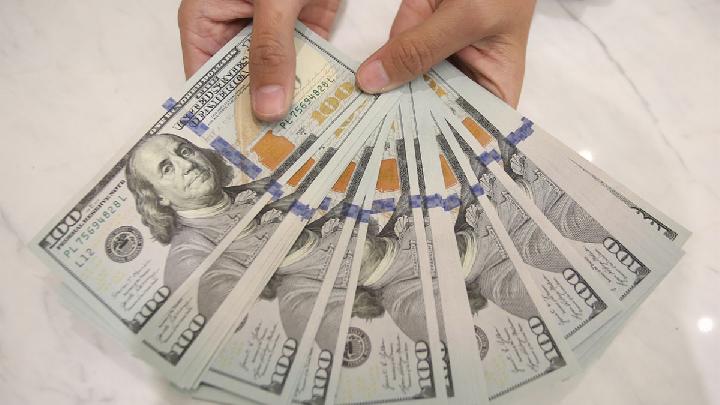
Are US Bond Yields Behind the Dollar’s Strength?
Reporter
September 23, 2026 | 08:28 pm
TEMPO.CO, Jakarta - Bank Indonesia Governor Destry Damayanti said the surge in U.S. Treasury bond yields has made global investors cautious about entering developing countries’ financial markets.
“This has led to the continued strength of the U.S. dollar index against both developed and developing countries,” said Bank Indonesia Governor Destry Damayanti in a virtual press conference on Wednesday, September 23, 2026.
The 10-year U.S. Treasury yield reached 5.02 percent as of September 15, 2026, the highest level since October 2023. On Wednesday, September 23, 2026, Trading Economics data recorded the U.S. government bond yield at 4.97 percent. Market expectations of a Fed Funds rate hike and the U.S. government’s large budget deficit influenced the increase in U.S. yields.
On the same occasion, Destry announced that Indonesia’s balance of payments showed a US$0.12 billion surplus in July 2026, after a US$0.45 billion deficit in June.
Meanwhile, Bank Indonesia recorded a net inflow of US$0.4 billion in the third quarter until September 21, 2026. According to Destry, the net inflow was supported by global government bond issuances, as well as inflows in government securities (SBN). Indonesia’s foreign exchange reserves at the end of August 2026 stood at US$146.5 billion, equivalent to financing for 5.4 months of imports or 5.3 months of imports and foreign debt payments, exceeding the international adequacy standard of around 3 months of imports.
Destry stated that BI will strengthen its policy to stabilize the rupiah’s exchange rate amid high uncertainty in global financial markets. She stated that Bank Indonesia will optimize all monetary instruments, including expanding incentive policies to increase foreign portfolio investment inflows, strengthening rupiah exchange rate stability, and accelerating the deepening of the money market and foreign exchange market.
Bank Indonesia noted the strengthening of the rupiah exchange rate from August to mid-September 2026. This strengthening resulted from a mix of monetary policies. These policies included expanding underlying transactions for foreign funding. These transactions were eligible for incentives that reduced the premium. The incentives were for hedged buy-sell swaps with Bank Indonesia and for domestic non-deliverable forwards.
However, Bank Indonesia also noted the rupiah’s weakening amid global uncertainty. As of September 22, 2026, the rupiah was worth Rp 17,855 per U.S. dollar, a 0.78 percent decrease since the end of August 2026.
“Bank Indonesia estimates that the rupiah exchange rate will remain stable, supported by the commitment of Bank Indonesia, attractive yields, controlled inflation within the target, and a consistently good domestic economic outlook,” said Destry.
Read: Bank Indonesia Vows ‘All Out’ Efforts to Keep Rupiah Stable
Click here to get the latest news updates from Tempo on Google News