
Are prizes for Independence Day competitions funded by community collections haram?
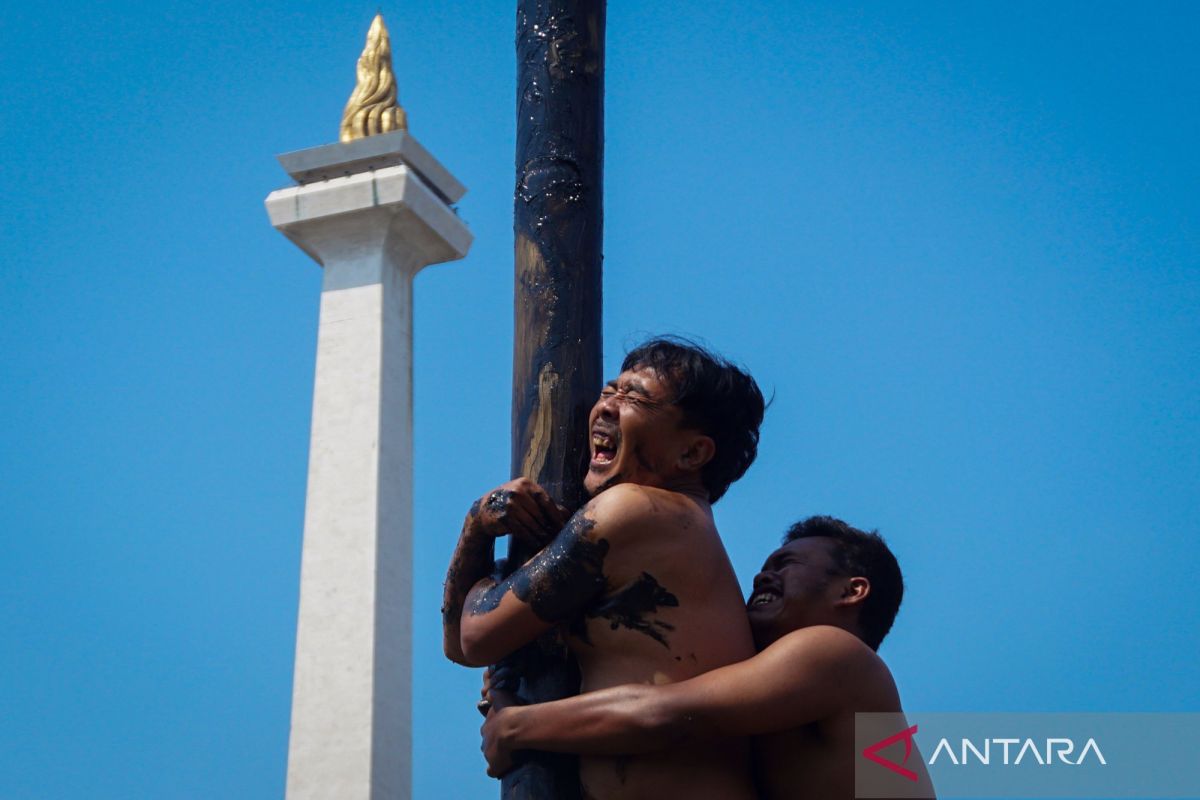
Competitions are a popular activity held by communities to enliven Indonesia’s Independence Day celebrations. However, questions have arisen regarding the Islamic legal ruling on competition prizes if the funds come from community collections or participant registration fees.
The Deputy Secretary of the Fatwa Commission of the Indonesian Ulema Council (MUI), KH Abdul Muiz Ali, explained that competitions are fundamentally permissible in Islam. However, organising committees need to pay attention to the source of prize funds to ensure they do not contain elements of gambling or qimar.
According to the MUI, the issue is not merely the existence of a collection, but rather the mechanism for collecting and using the money. The MUI reminds committees not to use participant registration fees as a source of prizes for winners. This scheme is considered to contain an element of qimar because participants pay money with the possibility of gaining a prize or losing the money they have paid.
“One thing that must be avoided is the practice of gambling. This means the committee is not allowed to use participant registration fees as part of the prize costs. That is not correct according to fiqh provisions and is haram,” KH Muiz Ali stated.
Thus, community collections must be examined first. If funds are collected voluntarily from residents who are not risking their money in the competition, the mechanism differs from participant registration fees that are then used as prizes. In Islamic fiqh, there is a prohibition against games that place participants in a win-or-lose situation by risking personal funds. In such a scheme, participants pay a sum of money to enter a competition, and the collected money is then used as a prize for the winner. The winning participant receives a prize, while the other participants do not get back the money they have paid. The MUI considers this mechanism to be a practice of qimar or gambling, making it haram.
The MUI suggests that competition prizes should come from sources that do not require participants to risk their money. Prize funds can come from sponsors, the committee’s treasury, or third-party donations that are not binding on participants. With this mechanism, participants take part in the competition without risking personal money to obtain a prize. Furthermore, competitions can also be held without prizes. Competitions without prizes are fundamentally permissible, including running races and various other agility competitions.
If residents voluntarily collect money to buy prizes and these funds do not come from participant registration fees, the mechanism differs from a gambling scheme. For example, residents in a neighbourhood agree to donate a sum of money to buy competition prizes. Participants then join the competition without being charged a registration fee that is used for prizes. In this situation, the prize money comes from residents’ donations, not from money risked by participants in the competition. Conversely, if participants are required to pay a certain fee and this money is collected to be given to the winner, this mechanism is considered to contain an element of qimar and is haram.
The MUI affirms that competition activities held to celebrate independence are fundamentally permissible. Competitions can also serve as a means to train agility, discipline, and strengthen community togetherness. Therefore, what committees need to consider is not only the type of competition, but also the prize funding mechanism. Committees can use sponsors, committee funds, or voluntary donations from residents that do not originate from participants’ betting money.