
Archaeologists Reveal Identity of First Known Ancient Maya Astronomer from Xultun Ruins
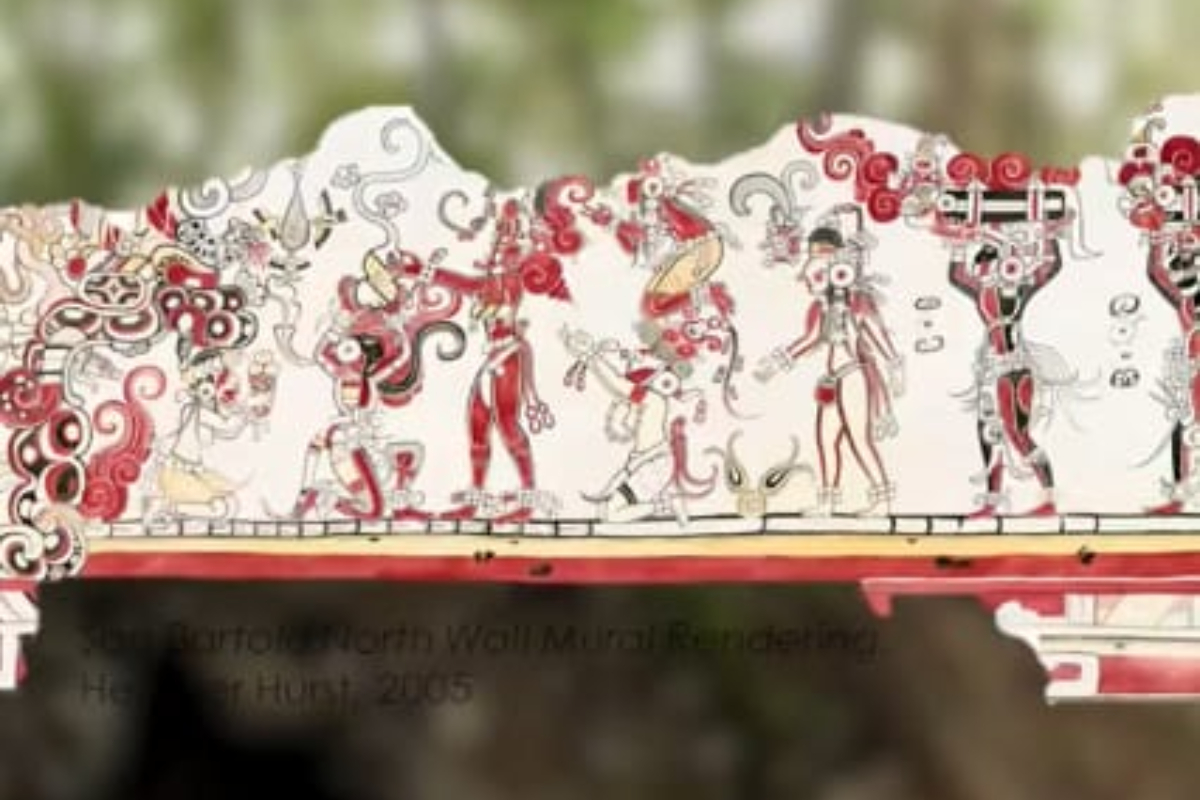
Archaeologists have successfully revealed the name of an ancient Maya astronomer-mathematician for the first time through research at the Xultun ruins in Guatemala. The name is Sak Tahn Waax, which means ‘White-Chested Fox’. This finding provides new insight into the ancient Maya scientists who have long been known through their astronomical works, but whose identities have rarely been discovered. The discovery of Sak Tahn Waax originates from 11 hieroglyphs found among more than 50 ancient mathematical texts on the walls of a small room called Structure 10K-2 in Xultun. At the same location, researchers also found calculation records regarding the movements of the planets Venus and Mars. Archaeologist David Stuart from the University of Texas at Austin, who helped reveal the findings, said the discovery of this name makes Maya science feel more human because for the first time an astronomical work can be linked to a specific individual. ‘In a real sense, we are looking at an old blackboard in someone’s abandoned office. Having a name associated with it is extraordinary,’ Stuart said. Although it is still not known for certain whether Sak Tahn Waax was the creator of the calculations or merely a figure associated with the work, researchers believe the presence of his name indicates a long tradition of Maya astronomer-mathematicians studying the movement of celestial bodies. Xultun is one of the ancient Maya cities that flourished during the Classic Maya period, around 250 to 900 AD. The city is located about 40 kilometres from Tikal, one of the largest centres of Maya civilisation. Structure 10K-2 was discovered after Boston University student Maxwell Chamberlain found a looter’s tunnel leading to a small room with well-preserved murals and ancient inscriptions. Previous research indicates the room was used in the 8th century, before the great collapse of the Maya civilisation which caused many cities to experience population decline. Archaeologist Franco Rossi from the Massachusetts Institute of Technology (MIT), the lead author of the research, said the small texts on the walls of the room were initially difficult to understand. However, after being analysed using image processing technology, the team found clues pointing to the identity of an astronomer. The findings, published in the journal Antiquity, are considered one of the most important discoveries in archaeoastronomy studies because for the first time scientists can connect Maya astronomical records with the name of an individual. Researchers hope the discovery can help reveal more about how the ancient Maya people understood the universe, mathematics, and planetary movements.