
Archaeologists Discover Evidence of Oldest Surgery in Central Asia, Dating Back 4,000 Years
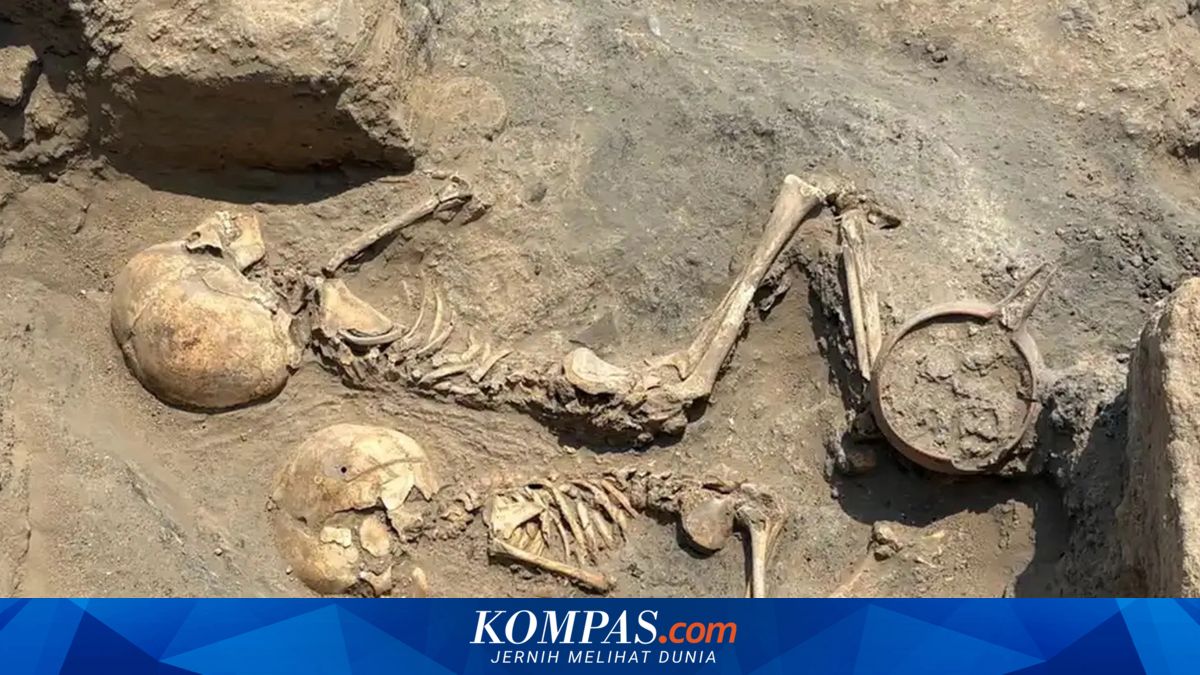
Neurosurgery or cranial surgery is often perceived as a highly sophisticated modern medical achievement. However, a recent archaeological discovery in Uzbekistan challenges this assumption. Scientists have uncovered the skull of a five-year-old child from the Bronze Age, who lived approximately 4,000 years ago.
Intriguingly, the skull of this ancient child bears circular incision marks resulting from an ancient skull operation known as trepanation. This discovery is officially recorded as the oldest evidence of surgical practice in the entire Central Asian region, and is among the most ancient on the Asian continent.
While cleaning the fossil, archaeologists were surprised to find neat holes and scratches on the child’s cranium. “This five-year-old child’s skull shows clear signs of cranial trepanation practices performed using chisels made of stone or bone,” the research team stated in an official report, as cited by Live Science.
In prehistoric times, trepanation—the act of drilling or scraping part of the skull—was relatively common. Such extreme measures were typically undertaken by ancient healers to treat chronic conditions such as epilepsy, severe migraines, or behavioural disorders. Nevertheless, researchers note that during that era, the boundary between purely medical procedures and mystical rituals remained blurred; the holes may have been created to cure physical ailments or as part of a ritual to expel evil spirits.
The excavation site is located in the prehistoric settlement of Djarkutan, in the North Bactria region, near the border of Afghanistan. Based on carbon dating, the grave dates back to the late third millennium BCE.
At its peak, Djarkutan was a highly advanced urban centre for the Oxus civilisation (also known as the Bactria-Margiana Archaeological Complex or BMAC). This Early Bronze Age civilisation dominated Central Asia from 2500 to 1500 BCE and was renowned for its sophisticated agricultural systems in oasis regions. While evidence of ancient head surgery has been found in adult human remains elsewhere, the fact that such a harrowing procedure was practised on a child so young has astonished scientists.