
APTRI Chair Reveals Reasons Behind Farmers' Reluctance to Clear Sugarcane Ratoon
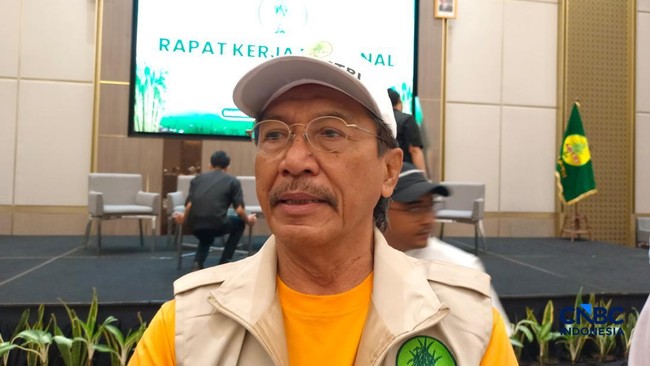
Jakarta, CNBC Indonesia - APTRI Chairman Soemitro Samadikoen has explained why many sugarcane farmers remain reluctant to participate in government-led ratoon clearing programs aimed at boosting national sugar productivity. He stated the main issue is not technical but economic, with high replanting costs and low farmgate sugar prices discouraging farmers.
‘Why would farmers clear ratoon? What’s the point? The sugar yield remains low. Clearing ratoon and replanting is very costly,’ Soemitro said during APTRI’s National Working Conference in Jakarta on Monday, 25 May 2026.
Despite government assistance such as tractors for land clearing and seedlings, he argued these measures are insufficient. Farmers face difficulties accessing loans and fertiliser, and the low sugar prices they receive upon sale further discourage participation.
‘Their income from sugarcane is limited, and prices are capped,’ he said. ‘When we clear ratoon, replant, but then face loan difficulties and scarce fertiliser, only to sell sugar at low prices – it’s not worth it.’
APTRI has proposed that sugar prices should be set at 1.5 times the price of rice to ensure fairer income for farmers. ‘Sugar must be priced at 1.5 times rice because rice can be harvested twice a year,’ Soemitro explained. ‘Rice yields are much higher; sugarcane production averages 72 quintals per hectare with a 7% recovery rate, resulting in only 49 quintals. At 65% recovery, it’s about three tons.’
Soemitro confirmed the ratoon clearing program could proceed with government support, including expanded land coverage from two to five hectares. However, he noted implementation issues such as timely delivery of seedlings and funds.
‘For example, seedling distribution must be timely, and the financial assistance must be properly allocated,’ he said.
Deputy Agriculture Minister Sudaryono acknowledged challenges in implementing the program, particularly in identifying willing farmers and land. ‘Finding farmers and land to clear is difficult,’ he said during a press conference at the Agriculture Ministry’s auditorium in Jakarta on Monday, 27 April 2026. Psychological reluctance also plays a role, as farmers are hesitant to clear mature crops ready for harvest.
Additionally, information dissemination remains a hurdle. ‘We use social media and news channels, but sometimes the information doesn’t reach all farmers,’ he added.
The ratoon clearing program is critical for Indonesia’s target of sugar self-sufficiency by 2027. Agriculture Minister Amran Sulaiman previously noted that national sugar demand stands at 6.7 million tonnes, but current white crystal sugar production is only 2.67 million tonnes, leaving a deficit of 4.03 million tonnes. He cited outdated ratoon crops as a key issue, with 70-80% of sugarcane fields being unproductive due to age.
‘Kami setelah mengecek 70%-80% itu rusak, jadi tidak layak,’ katanya.
Source: jawawa.id (https://jawawa.id/newsitem/aptri-chair-reveals-reasons-behind-farmers-reluctance-to-clear-sugarcane-ratoon-1780147544)
Originally published by CNBC Indonesia (https://www.cnbcindonesia.com/news/20260525181155-4-737932/ketua-petani-bongkar-penyebab-muncul-fenomena-ogah-bongkar-ratoon-tebu), translated from Indonesian