
APTI: Nicotine Limits Could Reduce Local Tobacco Absorption
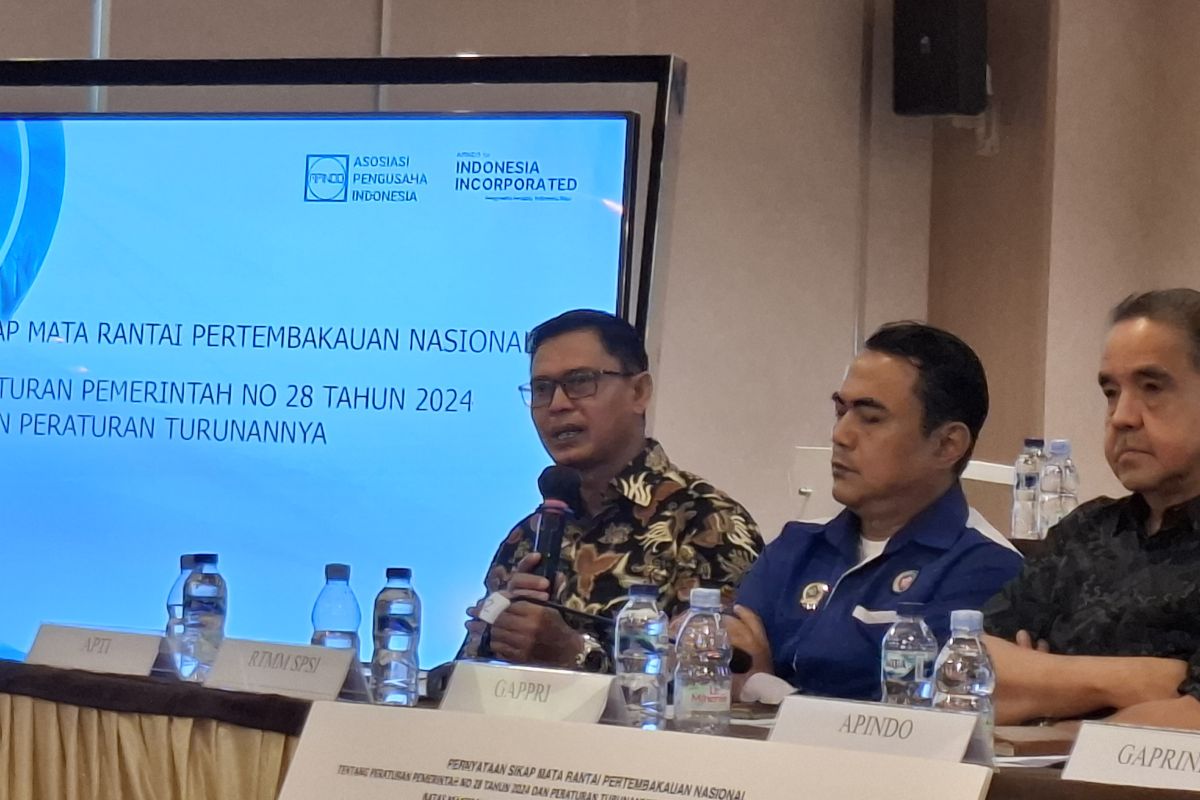
The Indonesian Tobacco Farmers Association (APTI) has assessed that the proposed restriction on nicotine and tar levels in tobacco products could potentially suppress the absorption of local tobacco, given that almost all of the farmers’ harvests are currently absorbed by the tobacco products industry. Pambudi, Secretary General of the APTI National Board, stated that the majority of raw materials for the industry come from domestic sources, so any change in raw material specifications will directly impact farmers. “If this standardisation is implemented now, who will accommodate our harvest? Because 99 per cent of our cultivation results are absorbed by the tobacco products industry,” Pambudi said in Jakarta on Thursday.
The limitation of nicotine and tar content is one of the provisions being drafted by the government as an implementing regulation for Article 431 of Government Regulation (PP) Number 28 of 2024 concerning Health. He explained that tobacco cultivated in Indonesia has different characteristics compared to other countries. The nicotine content of local tobacco, according to him, ranges from 2 to 12 per cent, while Temanggung srintil tobacco from Central Java can have a nicotine content of up to around 12 per cent or more. APTI believes these characteristics need to be considered in policy formulation. Pambudi mentioned that farmers would need a long time to adjust their cultivation to the new provisions. “If this regulation is passed, farmers might need 30 to 50 years to adapt. That also depends on the government’s readiness,” he stated.
He explained that such adjustments require government support through the provision of new varieties, cultivation management, and appropriate fertilisers, as the type of fertiliser also influences the characteristics of the harvest. In addition, he said the industry currently has tobacco stocks sufficient for at least two to three years, with some industries reportedly having enough stock to meet needs for up to about five years. He also noted that farmers will enter the main harvest season in August-September 2026 using the same cultivation patterns as previous seasons. APTI subsequently requested that the Ministry of Health coordinate with the Ministry of Agriculture and other relevant ministries and agencies to establish technical provisions regarding nicotine and tar content limits, in order to provide a transition period for farmers.
Henry Najoan, Chairman of the Indonesian White Cigarette Manufacturers Association (Gappri), stated that limiting nicotine and tar content could also affect the use of domestic raw materials, as approximately 96 to 97 per cent of the content in a kretek cigarette comes from local commodities. “If the tar and nicotine content is restricted, it will certainly disrupt our industry and bring further negative effects to the farmer ecosystem,” Henry revealed. Based on data presented by the Indonesian Clove Farmers Association (APCI), national clove production reaches around 140,000 tonnes per year from a land area of 580,000 hectares, with approximately 98 per cent being smallholder plantations involving around 1.5 million farmers. Around 97 per cent of this production is absorbed by the cigarette industry, so policies affecting the tobacco products industry are also considered to have an impact on clove farmers. Meanwhile, a study on the Determination of Maximum Limits for Nicotine and Tar Content published by the Coordinating Ministry for Human Development and Cultural Affairs proposes a maximum limit for several types of conventional cigarettes of 1 milligram of nicotine and 10 milligrams of tar per stick. The ministry’s study recommends that the implementation of maximum nicotine and tar limits be carried out in stages over a maximum period of five years, accompanied by strengthening laboratory capacity, supervision, and cross-sector coordination to anticipate social and economic impacts.