
Approximately 57,600 MSMEs involved as suppliers for Free Nutritious Meal programme
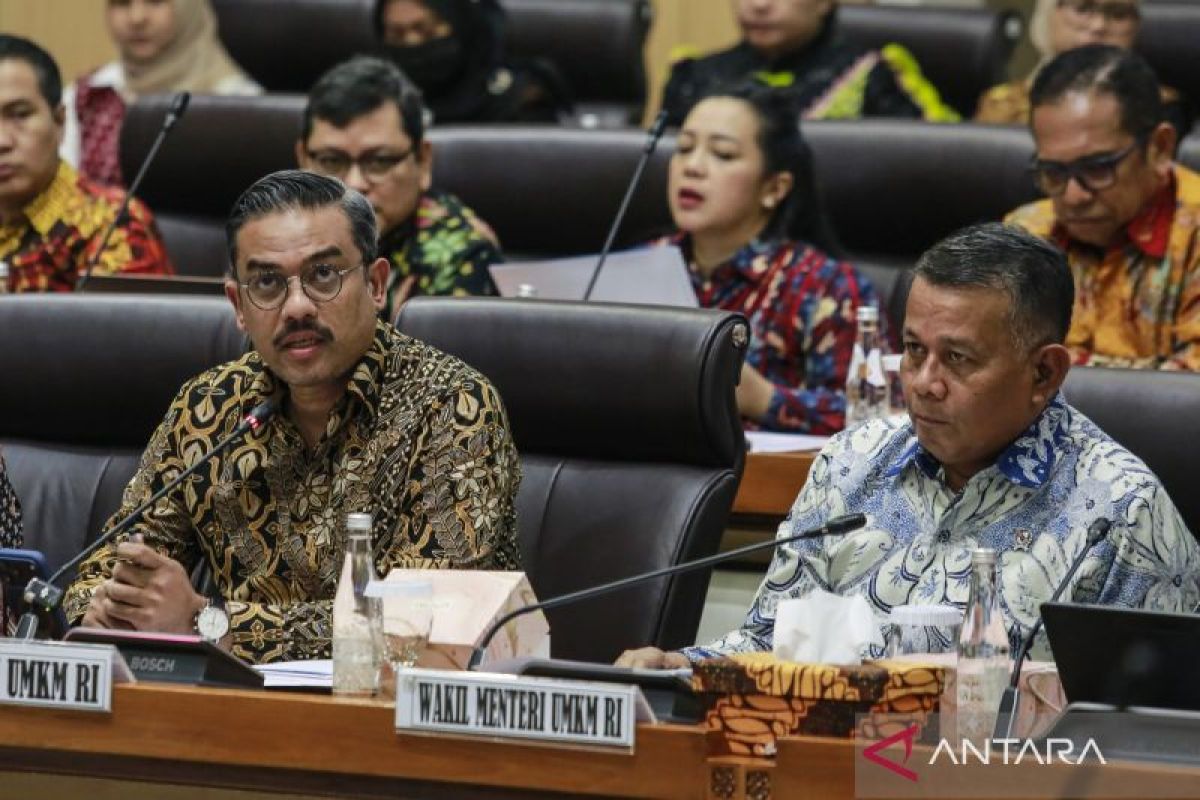
Jakarta (ANTARA) - The Minister of Micro, Small, and Medium Enterprises (MSMEs), Maman Abdurrahman, stated that to date, approximately 57,600 MSMEs have been involved as suppliers in the Free Nutritious Meal (MBG) programme.
During a working meeting with Commission VII of the Indonesian House of Representatives (DPR RI) in Jakarta on Monday, Maman noted that the involvement of MSMEs serves as evidence that the MBG programme impacts not only nutritional fulfilment but also stimulates the economy at the regional level.
In addition to MSMEs, he explained that the MBG ecosystem also involves around 12,000 cooperatives, 1,358 Village-Owned Enterprises (BUMDes), and approximately 64,000 suppliers. It was also recorded that 662 Merah Putih Village Cooperatives are part of the programme’s supply chain.
Maman explained that the involved suppliers are highly diverse, ranging from suppliers of dry raw materials such as cooking oil, flour, and soy sauce, to fresh ingredients including rice, eggs, chicken, tempeh, tofu, vegetables, and fruit. Furthermore, there are also suppliers for operational needs, such as dish soap, clean water, and gas, which support the operations of the MBG kitchens.
Maman also responded to criticisms regarding the role of business actors in the development of MBG kitchens. He explained that the owners of the kitchens, or Nutrition Fulfilment Service Units (SPPG), are generally medium-sized entrepreneurs because the process requires significant capital, whereas micro and small businesses are focused on the supply chain.
Consequently, he emphasised the importance of ensuring that MSME involvement in the supply chain remains widely accessible and is continuously monitored.
“I always convey that the reason most kitchen developers are medium-sized entrepreneurs is because, in terms of financial capability, it is impossible to entrust this to micro or small enterprises,” said Maman.
According to him, the real focus should be on the extent to which micro and small businesses are involved in the supply chain of the communal kitchens.
“What should actually be highlighted is whether the involvement of micro and small enterprises in the supply chain has been opened as widely as possible,” he added.
He also acknowledged that the implementation of the MBG programme still has several areas for improvement. However, Maman urged the public to view the programme from a broader perspective, looking not only at its shortcomings but also at its potential economic benefits.
He stated that the MBG programme has the potential to create a new economic ecosystem, with an estimated fund circulation reaching Rp300 trillion this year.