
APPMI East Java: Understanding Batik's Value is Crucial for Industry Sustainability
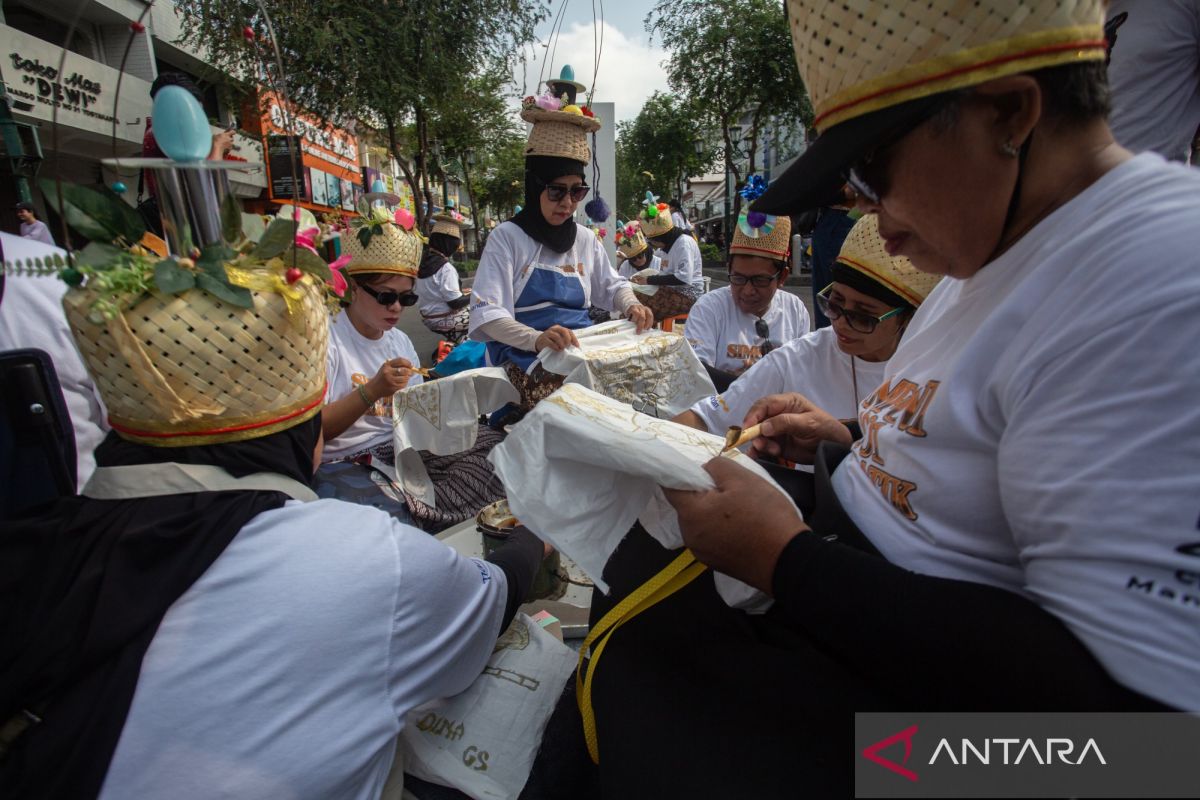
Batik, as a traditional textile (wastra), is not intended to be compared with or compete against mass-produced printed products, as batik is a work of art possessing cultural value, rather than merely a fashion product.
Lia Afif, Chairperson of the Regional Management Board (BPD) of the Indonesian Fashion Designers Association (APPMI) for East Java, stated that public understanding of batik’s value as a cultural work is essential to maintain the sustainability of the batik industry and to encourage the regeneration of artisans amidst the evolving fashion industry.
Lia noted that batik, as a traditional textile, possesses cultural significance and a production process that differs from mass-market fashion products, necessitating better understanding from consumers.
“Batik as a traditional textile is not meant to be compared with or compete against mass-produced printing, because batik is a work of art that holds cultural value, not just a fashion product,” Lia told ANTARA in Jakarta on Saturday.
Lia stated that understanding the value of batik can help create a market capable of appreciating the process and the intrinsic value found within every batik creation.
A market condition capable of absorbing batik sustainably is also vital for the survival of artisans, as the production of hand-drawn batik (batik tulis) requires skills and a process that cannot be achieved instantaneously.
Lia explained that any increase in the production capacity of hand-drawn batik must be accompanied by learning processes and the transfer of knowledge between batik makers.
“Hand-drawn batik is not a mass product whose production capacity can be easily increased. Within that production increase, there is a process of learning and sharing knowledge,” she said.
According to Lia, the sustainability of the batik industry is also closely linked to the regeneration of batik makers. The more open the market is to appreciating batik works, the greater the opportunity for batik skills to be continuously passed down and developed.
Therefore, she believes that expanding the batik market is not only about increasing sales but also about ensuring that the products offered to the public are accompanied by a proper understanding of batik as a traditional textile.
Lia assessed that digital platforms could serve as a means to expand the market while simultaneously building consumer understanding regarding the value of batik.
On the other hand, the relevance of batik to contemporary consumer needs must also continue to be developed through design innovation.
To remain relevant to consumer needs, including those of the younger generation, as a designer, she frequently introduces innovations such as ready-to-wear batik, including palazzo trousers and outers, to make batik easier to style.
According to Lia, efforts to maintain the existence of batik must go hand-in-hand with design innovation and market strengthening, ensuring that this cultural heritage continues to thrive while providing space for the sustainability of the artisan ecosystem.