
Appearance of Meat is No Guarantee of Safety
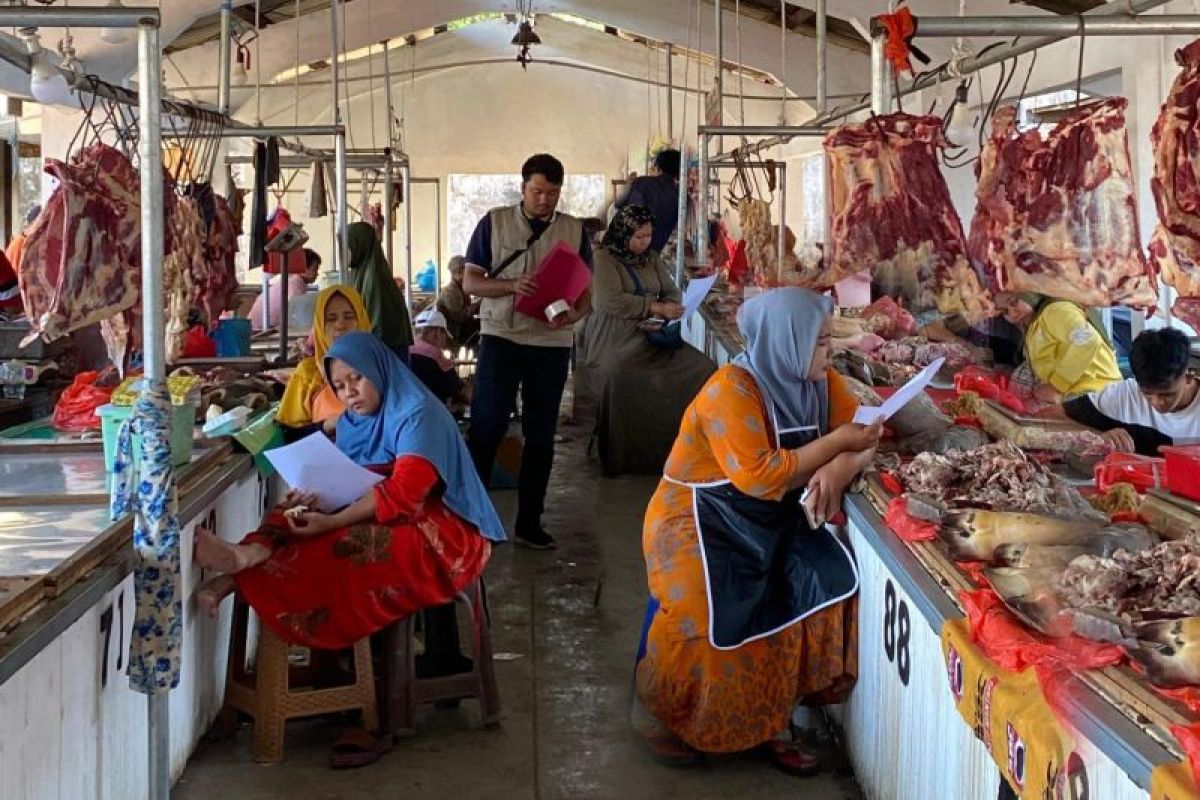
Choosing beef is a choice regarding an entire food chain. From livestock health, slaughtering processes, hygiene, distribution, and storage to the dining table, everything is interconnected.
Surabaya (ANTARA) - For consumers, beef might seem like nothing more than a red cut selected at the market, weighed, and taken home to be cooked into rendang, stew, rawon, or soup. However, behind that simplicity lies a long journey that is rarely seen. Before reaching the dining table, meat undergoes numerous stages, starting from livestock farms, slaughterhouses, transportation, to points of sale. At every stage, there are procedures that must be maintained and risks that must be controlled, which ultimately determine whether the meat we eat is truly safe.
Therefore, choosing beef should not be based solely on colour, price, or the size of the cut. Consumers need to look further, from the place of purchase and handling methods to the physical condition of the meat and certainty of its origin.
This message has resurfaced in the city of Surabaya, East Java. PT Rumah Potong Hewan (RPH) Surabaya Perseroda is encouraging the public to be more selective in choosing beef by applying the principles of Aman, Sehat, Utuh, and Halal (Safe, Healthy, Whole, and Halal), known as ASUH.
RPH Surabaya is also directing the public to purchase meat at the Arimbi Meat Market or at stalls that bear the ‘Mitra RPH Surabaya’ sign. Currently, there are approximately 300 Mitra RPH signs distributed across various traditional markets in Surabaya.
This move is significant as it shifts consumer attention from the simple question of “how much does it cost?” to “where does this meat come from and how has it been handled?”
Not Just About the Red Colour
For market buyers, colour is often the first indicator. Fresh beef generally has a characteristic red colour, while good texture tends to be firm and the aroma should not be off-putting. Guidelines from the Ministry of Agriculture also suggest that consumers check the surface of the meat to ensure it is relatively clean and shows no signs of spoilage.
However, relying on sight alone is insufficient. The colour of meat can be influenced by various factors, including the type and age of the livestock as well as the post-slaughter process. Therefore, red-coloured meat does not automatically mean all aspects of its safety are guaranteed.
This is where the ASUH principle gains its full meaning. ‘Safe’ relates to food safety. ‘Healthy’ concerns the quality and condition of the product. ‘Whole’ means it has not undergone mixing or treatments that diminish the authenticity of the product. ‘Halal’ concerns processes that comply with halal regulations.
The Ministry of Agriculture places pre-slaughter and post-slaughter inspections as vital components in producing meat that meets the ASUH principles. Antemortem and postmortem examinations are part of animal health supervision and the food safety of animal-origin products.
In essence, good meat quality actually begins long before the meat is displayed on the vendor’s table.
Source: jawawa.id (https://jawawa.id/newsitem/appearance-of-meat-is-no-guarantee-of-safety-1790643248)
Originally published by Antara (Indonesian) (https://www.antaranews.com/berita/5762519/rupa-daging-bukan-jaminan), translated from Indonesian