
Apkesmi Strengthens Anaemia and Stunting Prevention Through Puskesmas SEDIA Programme
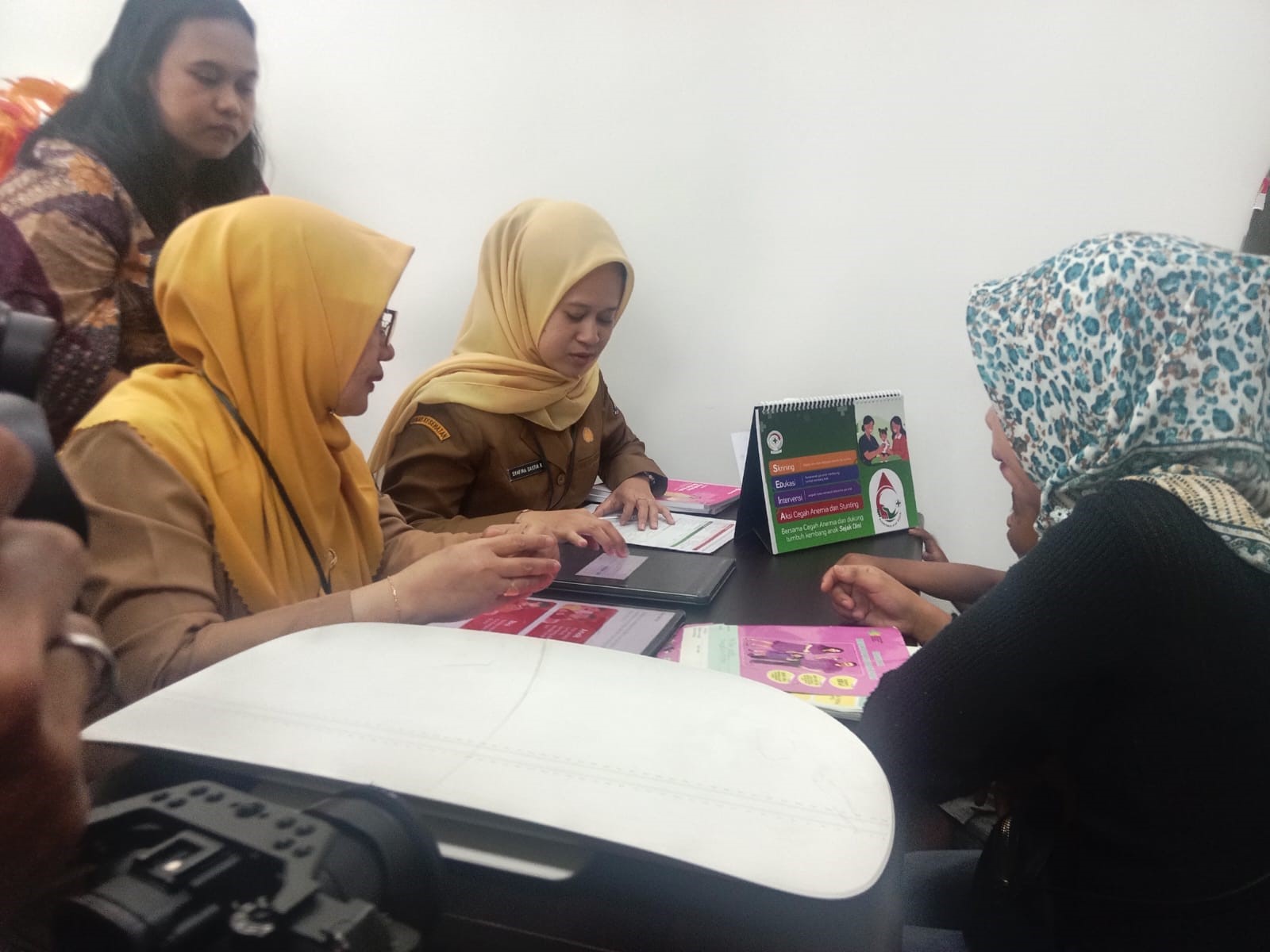
The Indonesian Community Health Centres Association (Apkesmi) is strengthening the handling of anaemia and stunting through a programme called Puskesmas Siap SEDIA (Screening, Education, Intervention Action to Prevent Anaemia and Stunting). Through this programme, we aim to reinforce the role of community health centres in conducting screening, education, and intervention in a more structured manner. Prevention of anaemia and stunting must be carried out early so that the impact on children’s growth and development can be minimised, said Kusnadi, General Chair of the Apkesmi Central Executive Board, during the launch of Puskesmas SEDIA at Kampung Sawah Health Centre in Ciputat, South Tangerang, on Monday (29/6). According to Kusnadi, the anaemia rate in Indonesia remains at 23%, and even based on the latest Indonesian Nutritional Status Survey (SSGI), it stands at 19.8%. Various efforts have been made by all of us. The government and the community are working hand in hand. We have a convergence carried out by the integrated CP3S team in each region. However, we still encounter dead ends, Kusnadi explained. Therefore, Kusnadi stated that community health centres have a strategic role as the front line of public health services, making the strengthening of primary service capacity an important step to improve early detection and handling of nutritional problems at the community level. The programme, supported by Danone Indonesia, is expected to strengthen the readiness of primary healthcare services in preventing anaemia and stunting in mothers and children. Puskesmas Siap SEDIA implements an integrated approach through three main stages. The first is the screening stage, conducted using anthropometric standards and an iron calculator to help health workers identify the risk of anaemia and growth disorders in children. The second is the education stage, carried out using the SEDIA Flipchart, which contains guidance on balanced nutrition, the importance of iron intake, and healthy eating patterns for mothers and children. The third is the intervention stage, which is tailored based on screening results and health worker recommendations so that treatment can be adjusted to each child’s needs. We hope that through initial implementation in several community health centres, this programme will become a strategic effort to strengthen primary service capacity so that the prevention of Iron Deficiency Anaemia (IDA) and stunting can be carried out more quickly, precisely, and sustainably, said Kusnadi. Medical and Scientific Affairs Director of Danone Specialized Nutrition Indonesia, Ray Wagiu Basrowi, added that efforts to prevent stunting and IDA need to be supported by a scientifically evidence-based approach so that interventions are more targeted and sustainable. His party will support the programme through the screening aspect as part of efforts to strengthen early detection of anaemia and stunting in primary healthcare services. In addition to maximising screening achievements in primary services, it is also to ensure that effectiveness is optimised with the potential for education and minimal intervention, so that the risk can be suppressed, even from the primary service level, said Ray. Data from the 2024 Indonesian Nutritional Status Survey (SSGI) shows that the prevalence of stunting is at 19.8%, meaning approximately 1 in 5 children under five in Indonesia still experience stunting. This condition confirms that stunting still requires serious attention and sustainable prevention efforts. Stunting is not only about height but is also closely related to various nutritional problems, including IDA, which is still commonly found among mothers and children in Indonesia. IDA in children is known to disrupt brain development and cognitive functions such as concentration, attention, and memory, which affect learning ability and long-term growth and development. Also present at the launch was the Head of Public Health at the South Tangerang City Health Office, Lilis Suryani. Lilis explained that South Tangerang City has a very large population, with community health centres on average serving more than 30,000 residents. With 7 sub-districts, 54 urban villages, 35 community health centres, 31 public and private general hospitals, and 860 integrated health posts, we do not yet have one health centre per urban village because it is rather difficult regarding public health facilities. Thank you to the Central Apkesmi for choosing South Tangerang as the launch location for the Puskesmas SEDIA programme, said Lilis.