
Apkasi proposes production-based revenue sharing formula to strengthen regional fiscal capacity
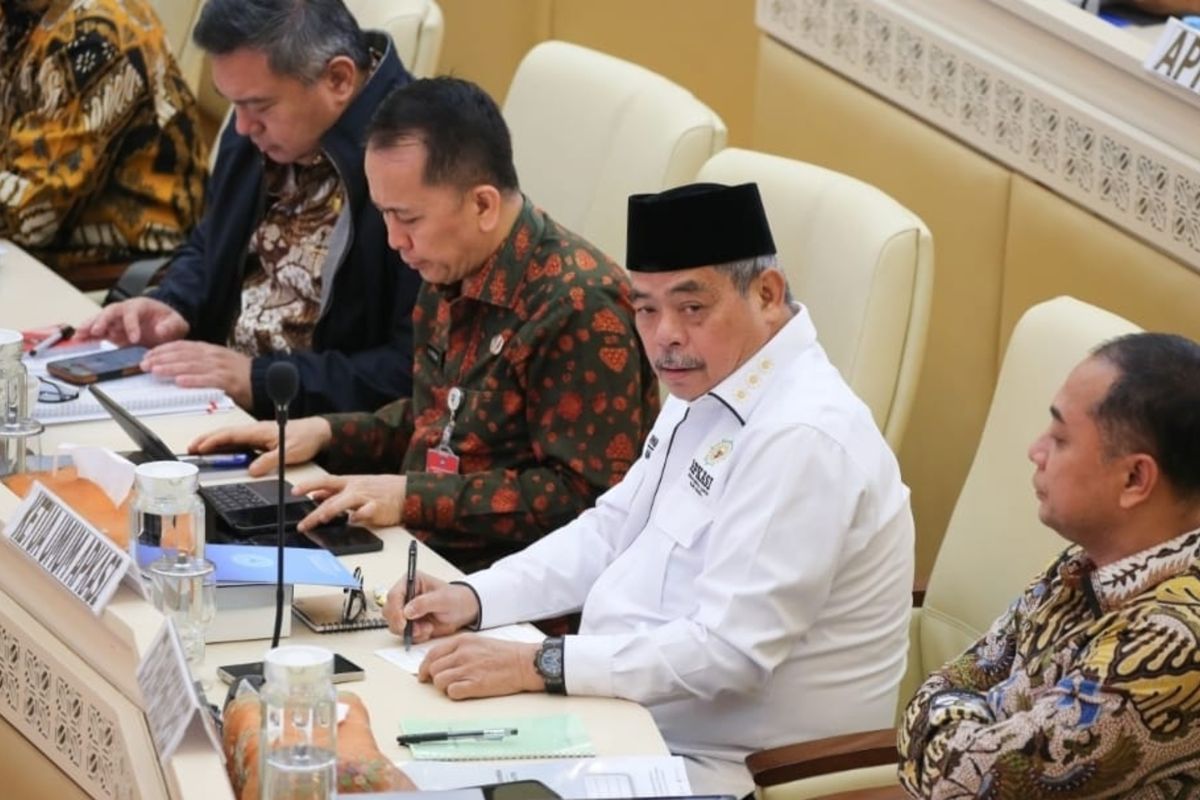
The Association of Regency Governments of Indonesia (Apkasi) has proposed an improvement to the Natural Resource Revenue Sharing (DBH) formula, basing it on production contributions to strengthen the fiscal capacity of producing regions.
Apkasi General Chairman Bursah Zarnubi stated that strengthening the DBH scheme is necessary so that local governments have greater fiscal space to build infrastructure supporting economic activities and to improve community welfare. According to him, regions producing natural resources play a strategic role in supporting the national economy, but they also bear the impacts of industrial activities, including increased infrastructure burdens and the need for environmental restoration.
Therefore, the construction and maintenance of roads, bridges, and public facilities in production areas require more proportional fiscal support. “For a long time, we in the regions have borne more of the environmental damage than the economic benefits we receive. The DBH reconciliation is not yet fully accurate. It feels very unfair because the communities around production areas are still facing poverty,” he said.
Apkasi proposes a DBH formula based on the production contribution of commodities so that producing regions receive more proportional fiscal support. The organisation also proposed a special allocation from the production of oil palm fresh fruit bunches (TBS) as well as mining commodities such as coal, oil, and gas to serve as compensation funds for infrastructure development.
According to Bursah, this scheme would provide dual benefits: accelerating the repair of infrastructure that supports the distribution of goods and services, while maintaining the sustainability of production areas as drivers of the national economy. Additionally, Apkasi proposed that the collection of Value Added Tax (VAT) on strategic commodities be conducted at the point of extraction to strengthen the fiscal capability of local governments to finance economic development.
These proposals were presented by Bursah during a Working Meeting and Public Hearing (RDPU) of Commission II of the Indonesian House of Representatives (DPR RI) alongside the Ministry of Home Affairs and local government associations at the Parliament Complex, Jakarta, on Thursday. The meeting discussed strengthening the financial relationship between the central and regional governments.
Meanwhile, Apkasi Daily Chairman Dadang Supriatna stated that certainty in the distribution of DBH is a vital factor in maintaining the sustainability of regional development. “When transfers decrease, regions must make various budget adjustments which ultimately affect public services. Therefore, certainty and fairness in the distribution of DBH are very important for the sustainability of regional development,” said Dadang.
He added that adequate fiscal transfers would increase the ability of local governments to finance public services, infrastructure development, and various programmes that support economic growth.
In the meeting’s conclusion, Commission II of the DPR RI requested the government to evaluate the DBH formula by providing greater affirmation to natural resource producing regions, border regions, and archipelagic regions. Commission II also requested that the government resolve any DBH payment shortfalls in full by the 2026 fiscal year.
Apkasi hopes that strengthening the financial relationship between the central and regional governments can accelerate the development of productive infrastructure, increase the connectivity of industrial areas and production centres, attract investment, and encourage more equitable economic growth across various regions.
Source: jawawa.id (https://jawawa.id/newsitem/apkasi-proposes-production-based-revenue-sharing-formula-to-strengthen-regional-fiscal-capacity-1785574586)
Originally published by Antara (Indonesian) (https://www.antaranews.com/berita/5675695/apkasi-usulkan-formula-dbh-berbasis-produksi-perkuat-fiskal-daerah), translated from Indonesian