
Apkasi: Adaptive Autonomy Key to Strengthening Regional Economies
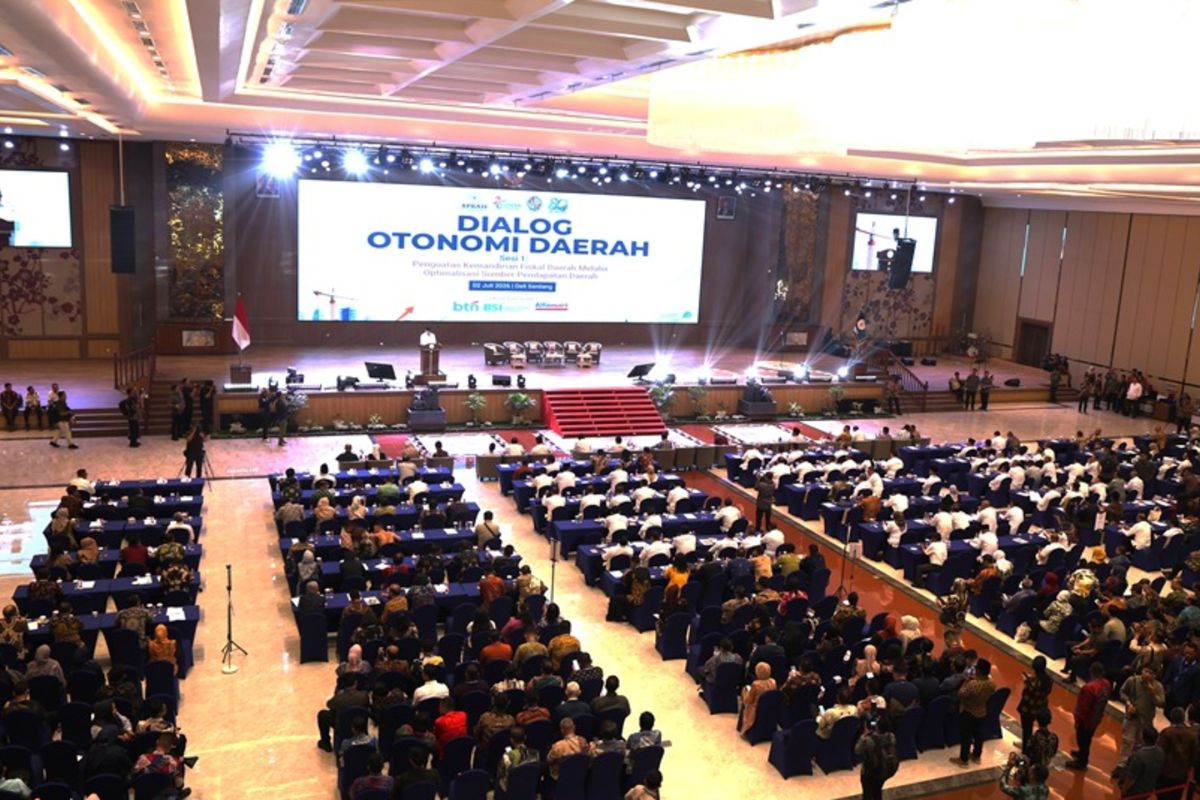
The Association of Indonesian Regency Governments (Apkasi) believes that strengthening adaptive regional autonomy is key to bolstering local economies and fiscal independence. Apkasi Chairman Bursah Zarnubi, who is also the Regent of Lahat, stated that enhanced local fiscal capacity is needed for regency governments to implement strategic programmes suited to their regional needs. “Therefore, a revision of Law Number 23 of 2014 on Regional Government is necessary so that decentralisation policies are more adaptive to the characteristics of each region,” Bursah said in a written statement received in Jakarta on Friday. He noted that stronger fiscal capacity is required to support food security programmes, basic infrastructure development, poverty alleviation, and the empowerment of micro, small, and medium enterprises (MSMEs). He added that broader room for innovation can accelerate the creation of economic policies based on local potential while increasing regional competitiveness. Bursah explained that Apkasi, together with the Regional Autonomy Implementation Monitoring Committee (KPPOD), has compiled recommendations from various discussion forums with regency governments across Indonesia. These recommendations are expected to serve as input for the government and the House of Representatives (DPR) in refining the division of authority between the central and regional governments. This view was previously conveyed at the Regional Autonomy Dialogue Forum held by Apkasi in Deli Serdang Regency, North Sumatra, on Thursday (2/7), as part of Apkasi’s 26th anniversary celebrations. The forum discussed expanding regional innovation space, optimising locally generated revenue (PAD), and refining regulations to give regency governments greater flexibility in driving economic growth. Deputy Minister of Home Affairs Bima Arya Sugiarto said regional governments need to become increasingly innovative amid tightening Regional Financial Transfers (TKD). “Every leader faces a test, and every test has its leader. Currently, regional heads face the challenge of tightening Regional Financial Transfers, so innovation in managing development is needed,” Bima stated. He said regional heads must be able to create new sources of economic growth so that development can continue even as fiscal space becomes more limited. According to Bima, President Prabowo Subianto has set two main prerequisites for Indonesia to become a developed country: escaping the middle-income trap and optimally utilising the demographic bonus. To achieve these targets, regional governments are expected to strengthen local economies through increased investment, development of regional potential, and optimisation of regional revenue. Bima assessed that Apkasi serves as a collaborative platform among regencies to accelerate the dissemination of best practices in fiscal management, public service innovation, and alternative development financing. In addition to producing policy recommendations, the forum was also deemed to have a direct economic impact on Deli Serdang through increased activity in hospitality, transportation, culinary sectors, and sales of local MSME products. The Regional Autonomy Dialogue Forum was attended by hundreds of regents, deputy regents, regional apparatus officials, and central and regional government officers.