
Apindo: WFH Implementation Guidance Must Be Adaptive and Measured
Jakarta (ANTARA) - The Indonesian Employers Association assesses that the recommendation regarding work-from-home (WFH) one day per week for workers, as a form of energy optimisation, requires an adaptive and measured approach.
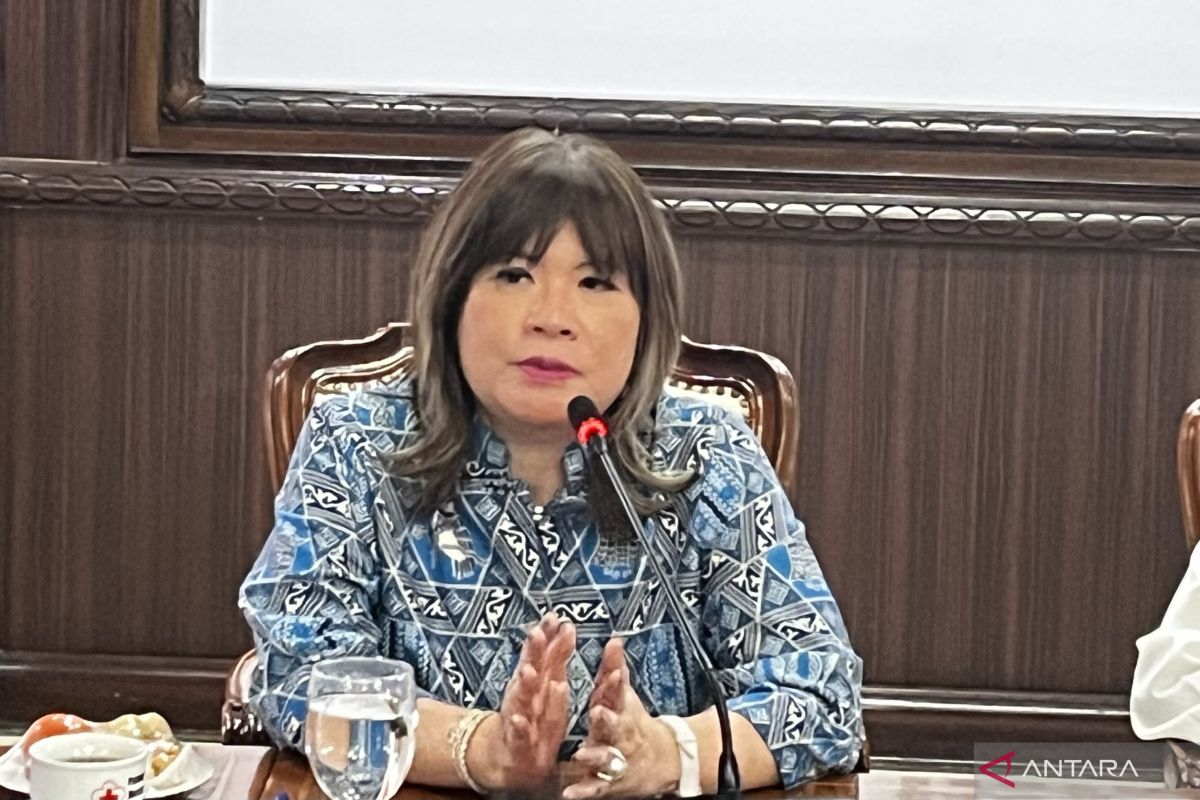
Apindo General Chairwoman Shinta W Kamdani stated in Jakarta on Thursday that the business world fundamentally understands that the policy is part of the government’s efforts to anticipate rising energy prices and their impact on fuel consumption, while building a sense of crisis amid volatile geopolitical dynamics.
“However, the implementation of the policy needs to be carried out adaptively, measurably, and considering real field conditions to maintain productivity and the continuity of economic activities,” Shinta said.
She stated that the decision to implement WFH should fundamentally be at the level of each company and cannot be applied uniformly across all sectors.
“The WFH policy needs to provide room for flexibility, not a uniform application. Each company has different operational characteristics, so the most effective decision is at the level of each company,” Shinta said.
Field operational realities, she continued, show that needs, capacities, and business models are very diverse, even within the same sector.
Shinta said companies have the most comprehensive understanding of their business processes, supply chains, production targets, and human resource management.
“In this context, flexibility is not just about differentiating sectors, but giving companies room to independently assess which functions can be carried out via WFH without disrupting productivity and operational continuity,” she said.
Apindo views the policy as best remaining an adaptive recommendation based on trust in the business world.
“Uniform policy application has the potential to cause operational disruptions and inefficiencies, especially if it does not consider the internal complexities of each company,” Shinta said.
In addition, she assessed that the government also needs to anticipate potential unintended impacts on public mobility patterns.
“For example, placing WFH on Fridays is seen as potentially creating a perception of a long weekend, which could instead encourage increased mobility and be counterproductive to the goal of controlling energy consumption,” Shinta said.
“Thus, the effectiveness of this policy will be greatly determined by a flexible, measured approach that provides room for decision-making at the company level as the main actors in economic activities,” she added.
Previously, Minister of Manpower Yassierli emphasised that the one-day-per-week WFH policy for private sector employees is a recommendation, considering operational needs and each company’s policies.
“Yes, it is in the nature of a recommendation,” the Minister said in Jakarta on Wednesday (1/4).