
Apindo urges industry to focus on debottlenecking to prevent layoffs
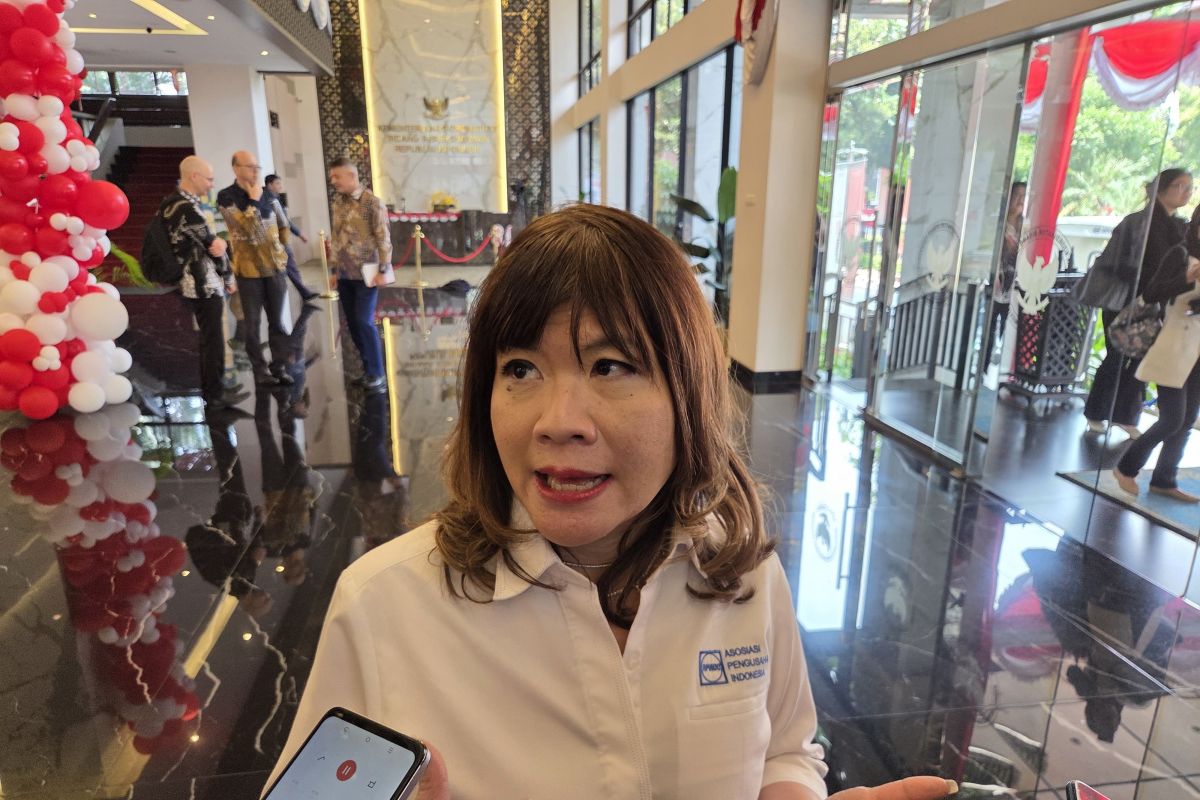
Jakarta (ANTARA) - Chairwoman of the Indonesian Employers Association (Apindo) Shinta Kamdani is urging industry to focus on resolving various upstream obstacles, or debottlenecking, in order to prevent more layoffs (PHK).
She made the remarks in response to data from the Ministry of Manpower (Kemenaker), which recorded 43,805 layoffs in the January–July 2026 period.
“We no longer want to look only at the data, because we are looking at how to solve and anticipate the problem. Layoffs must not happen. I have said many times that layoffs are only at the downstream end; the issues are mostly upstream,” Shinta said when met at the Office of the Coordinating Ministry for Economic Affairs in Jakarta on Friday.
She said debottlenecking efforts are therefore important, because the various upstream problems that are the main cause of layoffs can be resolved.
“That is why we are focusing heavily on debottlenecking, because many layoffs occur because the upstream issues cannot be resolved,” Shinta said.
“So I do not want to look only at the numbers. We have to look at the solutions, so that layoffs do not happen. Layoffs are always the last option. No one wants layoffs if they can be avoided,” she added.
Regarding the most affected sectors, Shinta said labour-intensive industries, including textiles and garments, remain among those facing problems.
Labour-intensive industries are currently facing a number of challenges, ranging from the availability of raw materials to the supply of industrial gas.
She added that the issues of raw materials and industrial gas need to be resolved immediately because they could affect the operational continuity of industry, which in turn has an impact on the workforce.
“There are many issues in labour-intensive industries related to the availability of raw materials and industrial gas. These are all large industries. So it will certainly have a major impact if these are not resolved,” she concluded.