
Apindo Stresses Preventive Measures to Curb Potential Layoffs
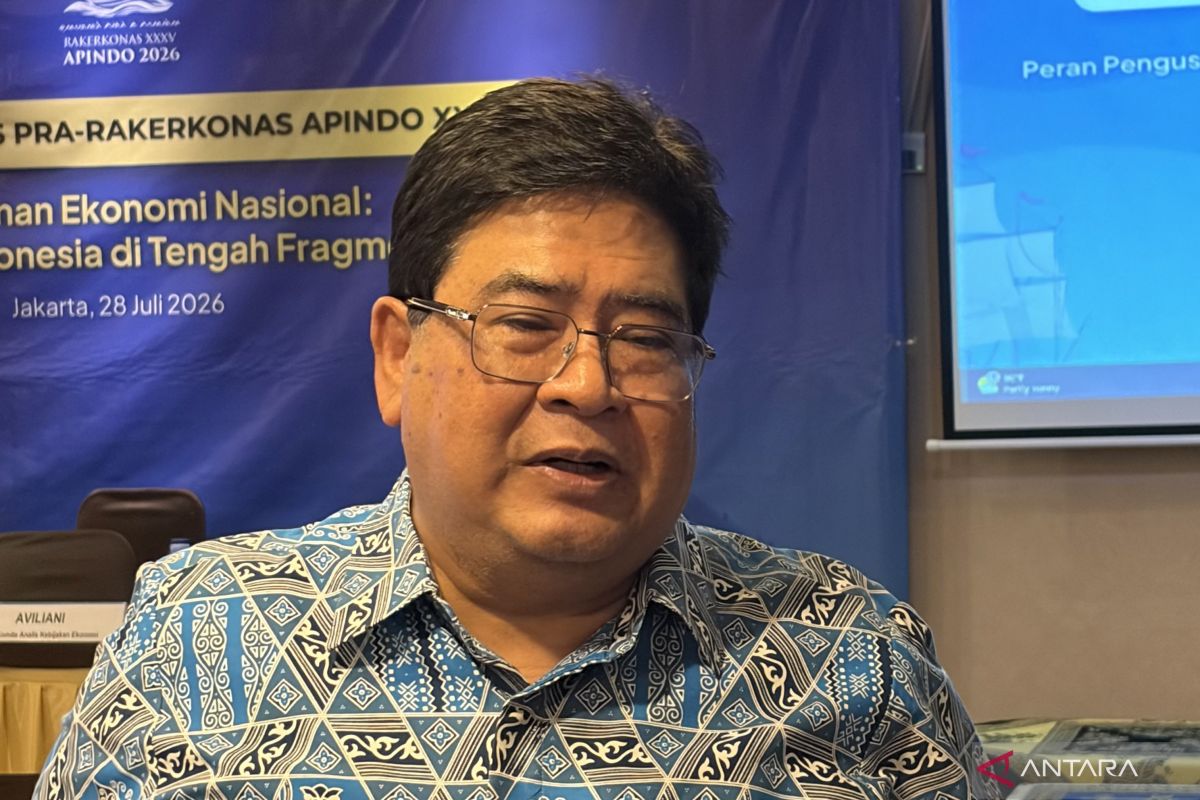
The Indonesian Employers’ Association (Apindo) believes preventive measures are crucial now to reduce the potential for layoffs in Indonesia. Apindo’s Head of Employment, Bob Azam, stated in Jakarta on Tuesday that this is necessary given the increasingly challenging geopolitical and geo-economic dynamics facing businesses and industries, both globally and nationally. “This is so we can map the condition of these companies. We hope the steps are more preventive, if possible, since company profits have been declining on average for 2-3 consecutive years,” Bob said. “So, companies are also mediated, making this a step to help businesses. But if the time comes for layoffs, we must also ensure workers receive their rights,” he added. Meanwhile, Apindo Chairwoman Shinta W. Kamdani said the government’s approach through the Layoff Task Force must be accompanied by resolving issues from upstream to downstream. “What we need to look at is what causes layoffs and what the upstream problems are,” Shinta said. “Therefore, Apindo’s current focus is on debottlenecking. We have mapped out priority issues that must be resolved immediately through debottlenecking and deregulation,” she added. Separately, BPJS Ketenagakerjaan recorded that the number of workers made inactive due to layoffs reached approximately 126,000 people in the period January to May 2026. Meanwhile, claims for Old Age Security (JHT) due to layoffs reached around 50,000 claims in the same period. Apindo also highlighted Indonesia’s Manufacturing Purchasing Managers’ Index (PMI), which fell to 46.9 in June 2026, its lowest level in a year. The Industrial Confidence Index (IKI) also declined from 54.12 in January 2026 to 52.90 in June 2026. Although still above the expansion threshold of 50, Shinta assessed that the downward trend indicates that industry optimism is being increasingly eroded by production pressures and weakening market demand. “Almost every country is facing pressure from the global economic slowdown, changes in industrial structure, technological disruption, and world supply chain restructuring,” Shinta said. “What differentiates each country is how quickly policy can act as a cushion for the business world so that this pressure does not develop into a bigger wave of layoffs.”