
Apindo still scrutinising developments in US trade tariffs
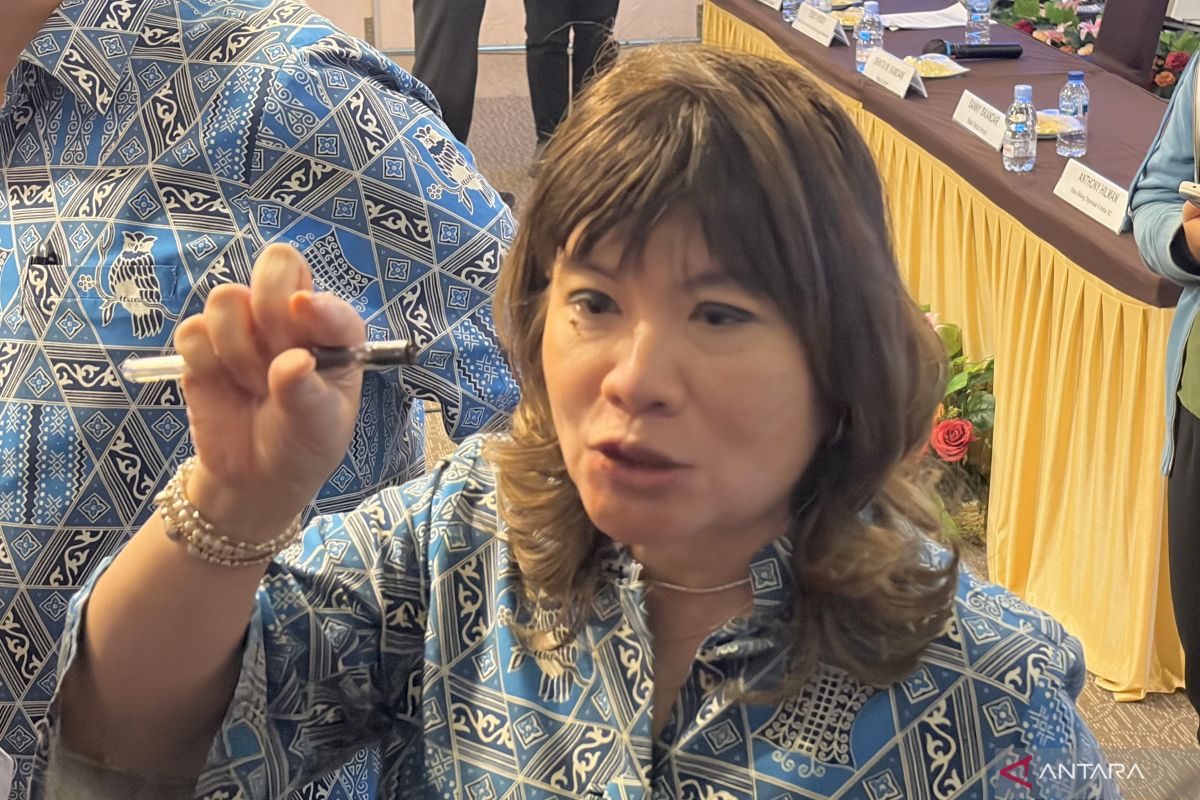
The Indonesian Employers’ Association (Apindo) is still scrutinising developments in United States trade tariffs following the investigation by the Office of the United States Trade Representative (USTR) regarding excess production capacity. “So we are still monitoring what the final outcome will be, because this USTR investigation is not yet complete. We are still waiting for the decision on what percentage we will get for excess capacity,” said Apindo Chairwoman Shinta W. Kamdani in Jakarta on Tuesday. The US government, through the USTR, has imposed a 10 percent tariff on products originating from Indonesia. This tariff is based on the results of a Section 301 investigation related to prohibitions on products made using forced labour. Among the 60 countries subject to US tariffs, Indonesia is one of those considered compliant with anti-forced labour regulations. The USTR set tariffs based on the results of a Section 301 investigation under the Trade Act of 1974 against 60 countries and territories. Indonesia is included in a group of 17 countries and territories subject to an additional 10 percent tariff, alongside Argentina, Bangladesh, Cambodia, Canada, Ecuador, El Salvador, Guatemala, Honduras, India, Jordan, Malaysia, Mexico, Pakistan, Sri Lanka, Trinidad and Tobago, and the United Kingdom. Currently, the Indonesian government is still awaiting the results of the USTR investigation related to excess production capacity. Shinta said it is important for the government and the business and industrial sectors to observe tariff developments in other competing countries such as Vietnam, Cambodia, and the Philippines. She continued that this is because it greatly affects the performance and competitiveness of Indonesian products on the global stage. “The concern is what percentage other countries get, because that is the key for Indonesia. Our competition is in labour-intensive sectors like textiles, garments, and footwear. Textiles and garments account for 61 percent of exports to the US, as do footwear and furniture. This is really our note of caution,” Shinta explained. Beyond trade tariffs, Shinta assessed that the cost of doing business in Indonesia also needs special attention to maintain the competitiveness and standing of national products. “Because if our products enter the US with higher costs, we certainly cannot compete. When we make comparisons, we have already seen that in terms of product costs, Vietnam is more competitive than Indonesia because their cost of doing business is lower,” she stated.