
Apindo pushes for Joint Task Force to ensure timely IEU-CEPA ratification
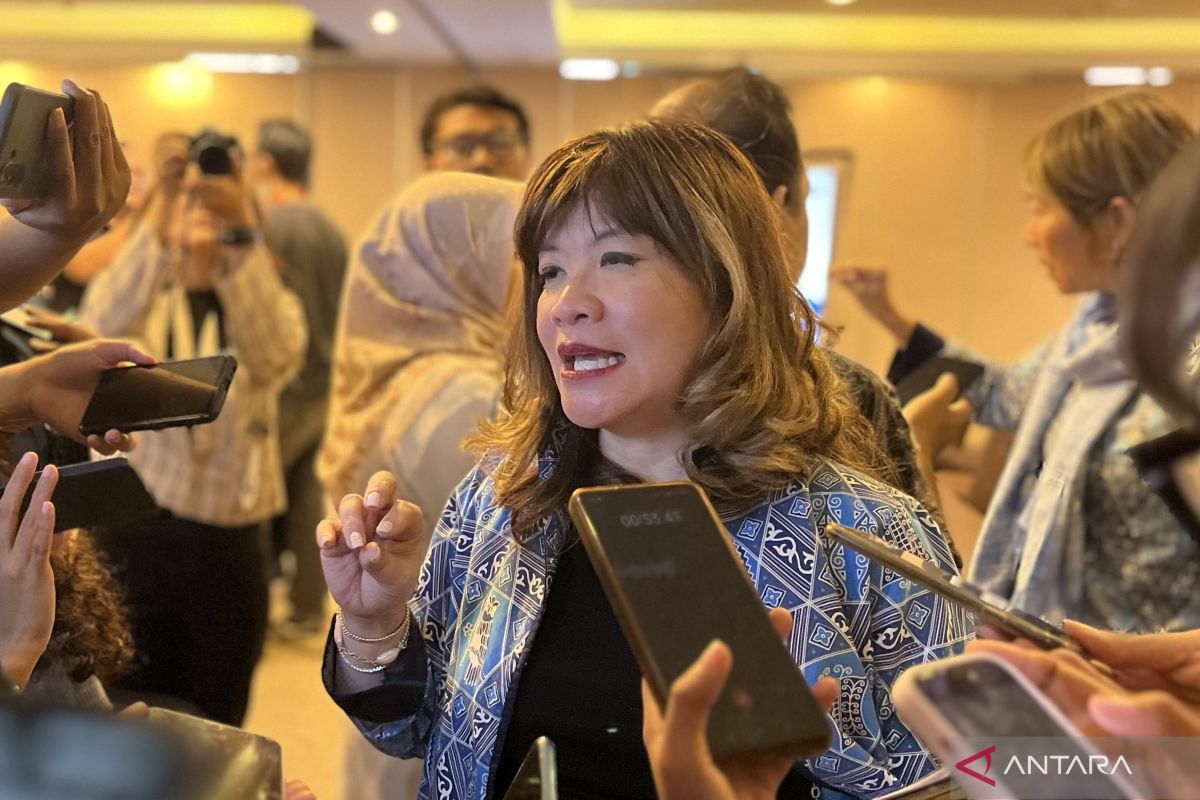
The Indonesian Employers’ Association (Apindo) is pushing for the establishment of a Joint Task Force for the Indonesia-European Union Comprehensive Economic Partnership Agreement (IEU-CEPA) as a collaborative mechanism between the government and the business community to ensure the ratification and implementation process runs on time. Apindo Chairwoman Shinta Kamdani stated that this proposal was one of the key outcomes of the Apindo Business Mission to Europe 2026, which took place from 11-19 June 2026 in Amsterdam, The Hague, Brussels, and Paris. Apindo considers the post-negotiation phase of IEU-CEPA to be a critical stage to ensure the business community can optimally benefit from the agreement. Following the substantive deal reached in September 2025, the next focus is on completing the legal finalisation, ratification, and effective implementation. ‘Our focus must now shift from negotiation to opportunity and partnership. The success of IEU-CEPA is not only determined by the conclusion of negotiations, but by our ability to ensure ratification and implementation proceed effectively on both the EU and Indonesian sides, so that businesses, workers, and the overall economy can immediately feel the benefits,’ Shinta said. The urgency of implementing IEU-CEPA is heightened by the fact that the EU’s Generalised Scheme of Preferences (GSP) facility, currently enjoyed by Indonesia, will expire on 31 December 2026. From 1 January 2027, Indonesia is scheduled to graduate from the Standard GSP list after being classified as an upper-middle-income country for several consecutive years. This situation creates a cliff edge risk, where the GSP facility ends while IEU-CEPA is not yet in force. Should this occur, a number of Indonesian export products could be subject to the EU’s Most Favoured Nation (MFN) tariffs, increasing trade costs. Apindo therefore views IEU-CEPA as a strategic instrument that not only replaces the GSP facility but also creates long-term market access certainty, strengthens supply chain integration, boosts investment, and opens broader economic cooperation opportunities between Indonesia and the EU. ‘For Apindo, IEU-CEPA is not just about tariff liberalisation. This agreement must become a platform to strengthen investment, capacity building, technology and knowledge transfer, industrial development, business certainty, and the competitiveness of Indonesian businesses. Its implementation must also address various non-tariff barriers that have hindered trade and investment,’ Shinta said. She added that the post-negotiation momentum must be translated into concrete cooperation in manufacturing, global supply chains, the green economy, the digital economy, sustainability, and human resource development. Beyond proposing the Joint Task Force, the mission also produced several strategic follow-up agendas, including strengthening support for the agreement’s implementation, maximising the utilisation of IEU-CEPA post-ratification, and deepening dialogue on the European Union Deforestation Regulation (EUDR), sustainability standards, and the readiness of Indonesia’s priority sectors to meet EU market access requirements. During the Business Mission to Europe 2026, Apindo held a series of strategic meetings with policymakers, business actors, and key stakeholders in Europe. The association reaffirmed its commitment to being a strategic partner to the government in ensuring the timely implementation of IEU-CEPA and delivering tangible impacts for the national economy. ‘Our target is clear: there must be no cliff edge at the beginning of 2027. The business community needs certainty. Therefore, Apindo is ready to work with the Indonesian Government, the European Union, and all stakeholders to ensure the ratification and implementation of IEU-CEPA proceed on time and deliver real benefits for both economies,’ Shinta concluded.