
Apindo pushes for eVTOL to become new infrastructure for Indonesian industry
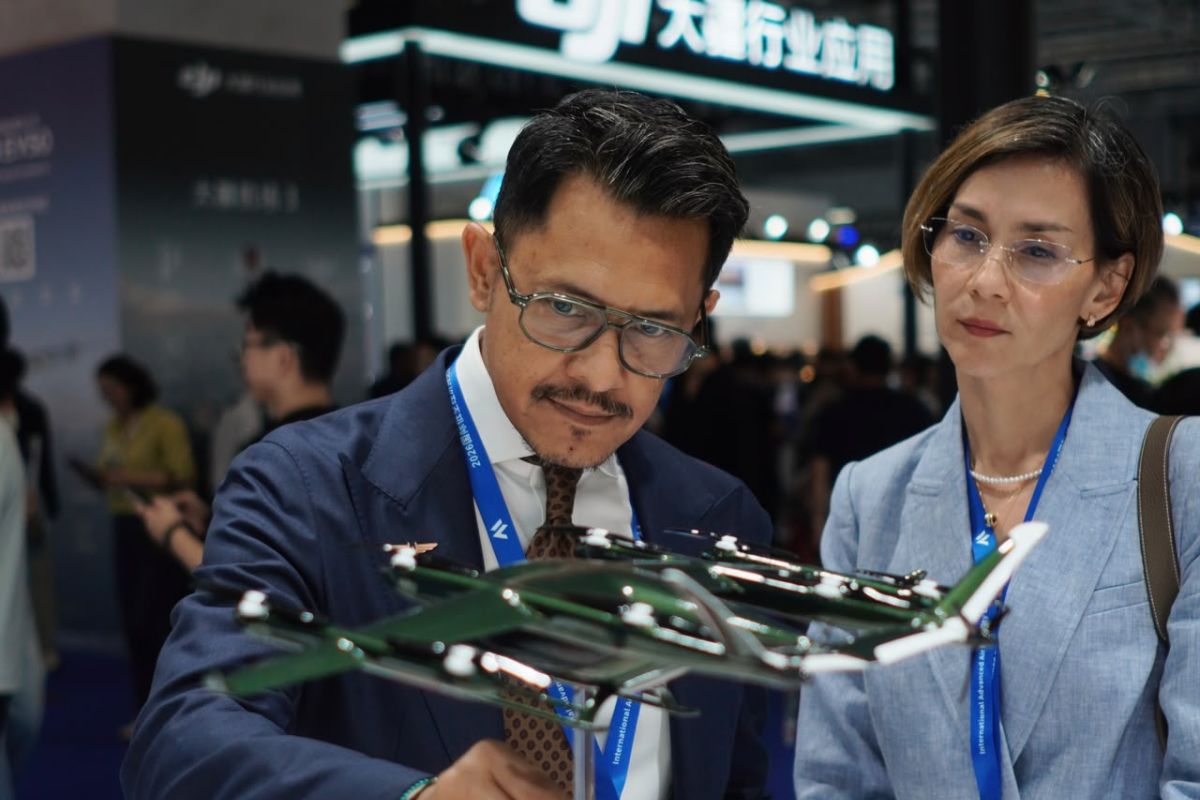
The Indonesian Employers’ Association (Apindo) assesses that eVTOL aircraft have the potential to become part of new infrastructure supporting industrial activity and economic productivity in Indonesia. Denon Prawiraatmadja, Head of Infrastructure at Apindo and Founder and CEO of Whitesky Group, stated in a written statement that eVTOLs are not merely for transporting passengers in urban areas. “This technology can accelerate mobility to mining sites, plantations, downstream processing zones, tourist destinations, and production centres that are far from main transport networks,” he said at the Advanced Air Mobility international forum in Shanghai, China, on 22 July 2026. He noted that Indonesia does not need eVTOLs just to move people from one building to another; the greatest potential lies in connecting production areas, industries, tourism, and regions that are currently underserved. Many industrial zones and natural resource areas in Indonesia are located far from city centres, major airports, and land transport networks. Journeys that currently take hours could be significantly shortened through integrated vertical mobility services, bringing in experts, workers, healthcare services, operational necessities, and high-value goods. “Mobility is part of productivity. When travel time can be shortened, companies can move faster, economic zones become more connected, and investment can grow more efficiently,” he said. He stressed that this economic ambition must be framed with caution, as safety, certification, and operational and maintenance standards are prerequisites for commercial use. These standards must be built from the operational and infrastructure stage, including an intermodal approach that connects air services with land transport, airports, business districts, and digital mobility platforms. “eVTOLs must not be a standalone mode. Air services must be connected to land transport and economic activity centres so users get an integrated journey from origin to final destination,” he said. He emphasised that eVTOL development must not stop at being a technological trend; its implementation must reduce travel time, expand economic access, increase business sector productivity, and deliver real benefits for Indonesia. eVTOL, or electric vertical take-off and landing, is an electric-powered vehicle that can take off and land vertically without requiring a runway. Known as a ‘flying taxi’, it is designed for fast, quiet, and emission-free urban mobility.