
Apindo Oversees 14 Priority Issues to Unravel Business Hurdles
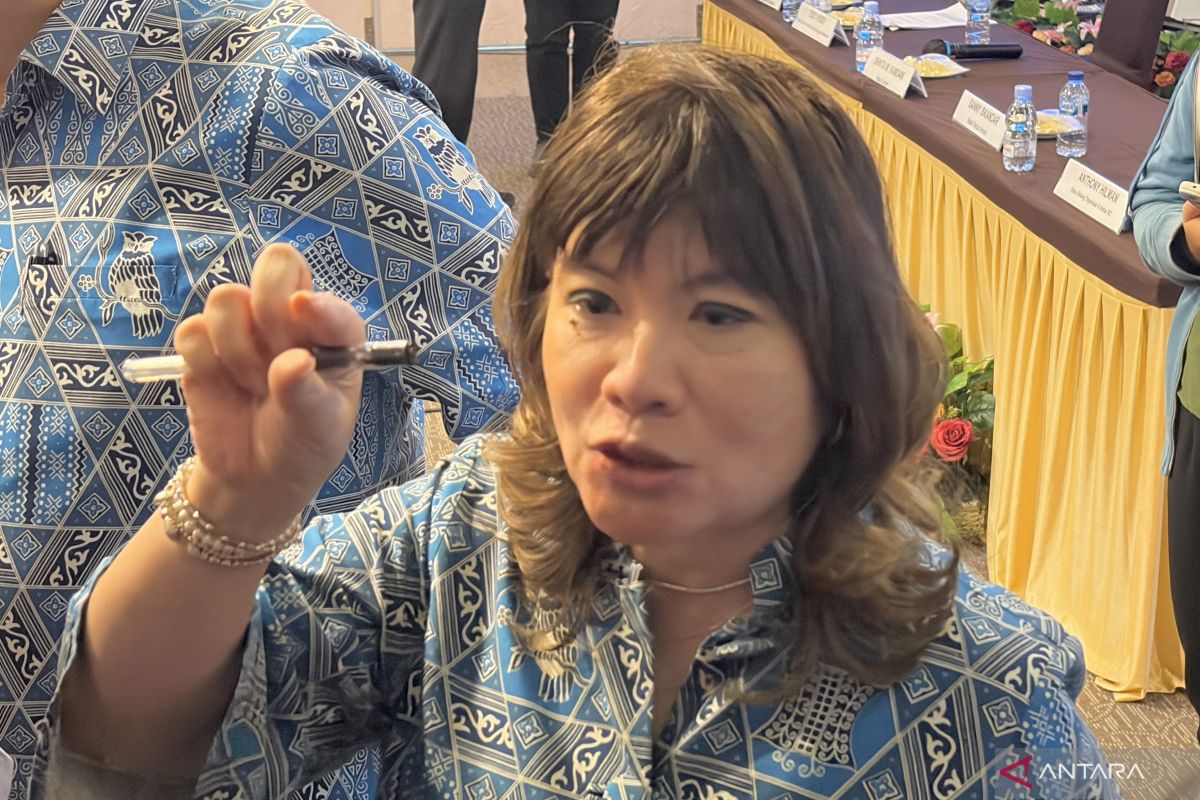
The Indonesian Employers Association (Apindo) is overseeing 14 priority issues related to the business sector by initiating the formation of a Task Force on Business Obstacle Debottlenecking, which functions to identify, map in detail, oversee, and ensure the resolution of various problems through to completion.
“For us, every obstacle that is successfully resolved is a knot that is untied so that the ship can sail again. Because every step that makes doing business easier will open up more hope and job opportunities,” said Apindo Chairwoman Shinta W. Kamdani in a confirmed statement in Jakarta on Thursday.
According to her, Apindo is currently overseeing more than 14 priority business issues, ranging from certainty of industrial raw material supply, gas prices, logistics, nutrient-level policy, spatial planning, financial reporting obligations, and mineral and coal work plans and budgets (RKAB).
In addition, there are also halal certification, waste management/Extended Producer Responsibility (EPR), commodity exports, regulations that hinder the tourism sector, and the refinement of the Manpower Bill.
She said that a number of business sector inputs have begun to receive government responses as part of efforts to improve the national business climate.
According to her, the urgency of reforming the real sector is also reflected in Indonesia’s employment challenges, where around 67 percent of total unemployment consists of young people dominated by Generation Z, while nearly 60 percent of the workforce still works in the informal sector.
“This condition shows that Indonesia’s economic agenda is not only about creating more jobs, but also ensuring the availability of productive, quality, formal, and sustainable employment,” she said.
Furthermore, improving the business climate must go hand in hand with efforts to expand sources of economic growth through regional investment.