
Apindo: Marketplace Tax Must Be Accompanied by MSME Capacity Building
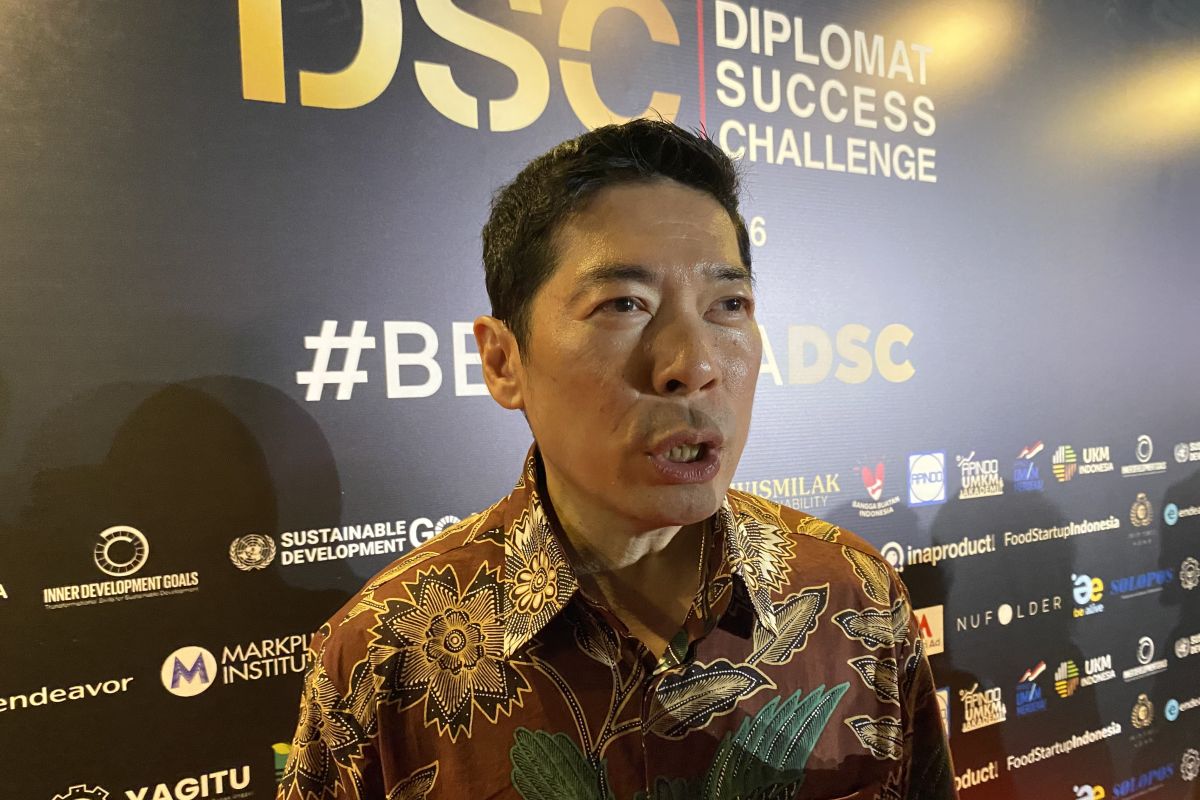
The Indonesian Employers’ Association (Apindo) has assessed that the implementation of income tax collection through marketplaces must be accompanied by capacity building for micro, small, and medium enterprises (MSMEs) so that business actors can adapt whilst maintaining the sustainability of their enterprises.
Ronald Walla, Chairman of Apindo’s MSME division, said many MSMEs experience increased turnover but lack adequate financial management skills, leaving them potentially at a loss after accounting for operational costs and tax obligations.
“For it to be effective, two things are needed; the policy must be able to run, but capacity building and financial management must also be improved,” Ronald told reporters after the kick-off of the Diplomat Success Challenge 2026 in Jakarta on Thursday.
According to him, mentoring for MSMEs must be carried out comprehensively, starting from improving financial literacy to strengthening business management capabilities. Ronald assessed that the primary needs of MSMEs are not merely financing, but rather market information and market access so they can produce goods that meet consumer needs.
He also encouraged the government to strengthen the tax support ecosystem for MSMEs, including by increasing the number of tax consultants serving micro and small-scale enterprises so that tax compliance can improve.
Starting 1 July 2026, the government has appointed four marketplaces—Tokopedia, Shopee, Lazada, and Blibli—as collectors of Income Tax (PPh) Article 22 on transactions by merchants meeting certain requirements. The policy is regulated in Minister of Finance Regulation (PMK) Number 37 of 2025.
Marketplaces will collect PPh Article 22 at a rate of 0.5 percent of the seller’s gross turnover or transaction value, excluding Value Added Tax (VAT) and Sales Tax on Luxury Goods (PPnBM). This levy is not a new type of tax, but rather part of a withholding tax mechanism that will be calculated as a tax payment or credit in accordance with prevailing tax provisions.
In practice, the marketplace collects PPh Article 22 at the time of the transaction, deposits it into the state treasury, and reports it through the Periodic Unified Tax Return (SPT Masa Unifikasi). The provision applies only to sellers with an annual turnover exceeding Rp500 million, whilst business actors with a turnover below Rp500 million are not subject to the PPh Article 22 collection.