
Apindo Chairman's Hopes for the Labour Bill
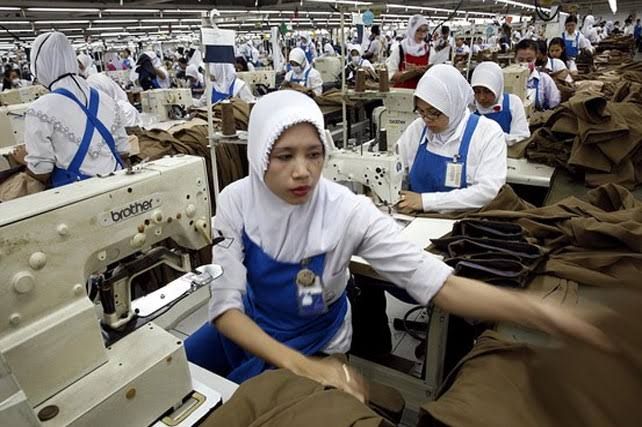
The Indonesian Employers Association (Apindo) believes that the discussions regarding the Labour Protection Bill need to consider the ability of companies to retain workers, create new jobs, and attract investment.
Apindo General Chair, Shinta W. Kamdani, emphasised that labour regulations should not focus solely on worker protection. According to Shinta, the regulations must also impact business continuity and job creation, which needs to be comprehensively calculated.
Shinta stated that provisions that do not consider the conditions of the business world could potentially result in regulations that are unable to resolve the current labour issues facing Indonesia. “What needs to be looked at is the ability of companies to maintain jobs, recruit workers, and simultaneously realise investments,” Shinta said during a press conference at the Apindo office in South Jakarta on Wednesday.
According to Shinta, if the regulations in the Bill actually narrow the ability of the business world to survive, expand, and recruit workers, the impact will be felt directly by workers and their families. The business community is concerned that the Labour Protection Bill has not yet addressed fundamental cross-sectoral labour challenges.
According to Apindo, the draft tends to revert regulations to Law Number 1s of 2003 without adequate updates to address the current dynamics of the working world. Meanwhile, the challenges faced are becoming increasingly complex, ranging from geopolitical uncertainty, geo-economic shifts, changes in global trade and supply chains, to the competition to attract investment and the demand for increased productivity across various business sectors.
Furthermore, technological changes, the transition towards a green economy, and the impact of climate change also demand adjustments in production processes, business models, and increased labour competence to meet industrial needs. Shinta noted that Indonesia also faces the entry of approximately three to four million new members of the workforce every year, a youth unemployment rate of around 17 per cent, high levels of informal workers, a low number of certified workers, and increasing layoffs.
On the other hand, the business world is also facing pressures such as rising energy and raw material costs, weakening global and domestic demand, the potential for rising loan interest rates, and declining public purchasing power, which affects the sustainability of business activities. Therefore, Apindo hopes that the Bill will be drafted comprehensively, involving all stakeholders, so that it can provide new solutions that address labour challenges while strengthening the investment climate and job creation.
“This Law should not only accommodate the demands of labourers during demonstrations but also consider the voices of job seekers and the difficulties faced by the business world, so that it can expand productive employment while ensuring worker protection is implemented,” Shinta said, as reported by Antara.
In its implementation, the business community understands that there are still various obstacles in industrial relations, which are largely influenced by weak regulatory implementation. Therefore, effective monitoring and compliance mechanisms are required to ensure regulations function as intended. “The new Bill must address today’s problems and future challenges. Returning to an old approach without adequate updates risks leaving Indonesia behind,” she said.
Source: jawawa.id (https://jawawa.id/newsitem/apindo-chairmans-hopes-for-the-labour-bill-1790830405)
Originally published by pasardana.id (https://pasardana.id/news/2026/10/1/harapan-ketum-apindo-terhadap-ruu-ketenagakerjaan), translated from Indonesian