
Apindo backs strengthened governance of natural resource exports
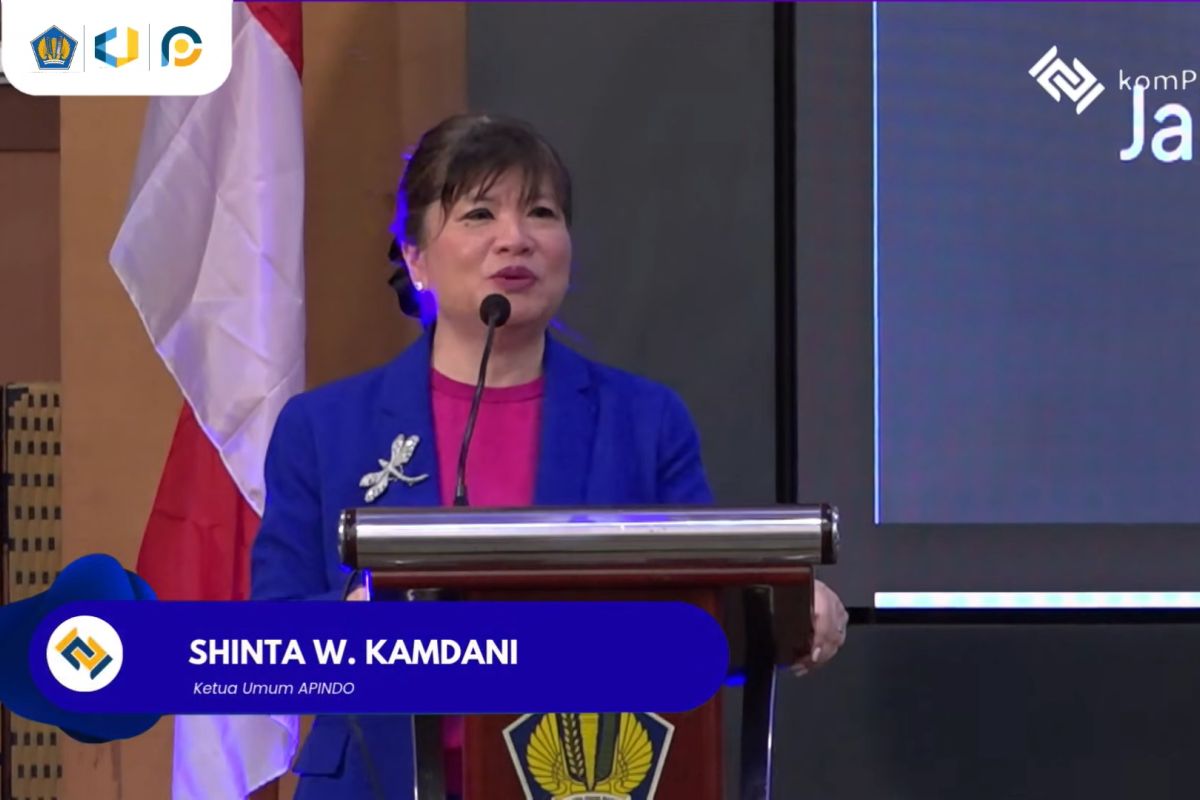
Jakarta - The Indonesian Chamber of Commerce and Industry (Apindo), alongside key natural resource sector associations, has voiced support for the government’s efforts to strengthen the governance of natural resource commodity exports.
The support was also extended by the Indonesian Mining Association (IMA), Coal Mining Association of Indonesia (APBI-ICMA), Nickel Industry Forum (FINI), and the Indonesian Palm Oil Association (Gapki).
Apindo Chairman Shinta Kamdani stated in a joint declaration that the policy aims to increase trade transparency, prevent under-invoicing and transfer pricing, and ensure optimal contribution of export foreign exchange (DHE) to the national economy.
She added that the associations are ready to act as constructive partners with the government in strengthening the governance of strategic natural resource exports.
However, Shinta noted that implementation must be gradual, transparent, and accountable, taking into account sector-specific characteristics.
She explained that mining, coal, nickel, ferro-nickel, ferro-alloy, and palm oil commodities have varying contract structures, supply chains, financing mechanisms, and international buyer profiles.
Additionally, the associations stressed the need to maintain legal certainty for ongoing and long-term contracts, payment mechanisms, shipping terms, and insurance.
Clarity on DHE obligations, Domestic Market Obligation (DMO), and treatment of international trade schemes is also crucial to preserving global market confidence in Indonesia.
The associations hope export activities continue during the transition period under existing mechanisms, accompanied by strengthened monitoring and digital system integration by the government and PT Danantara Sumber Daya Indonesia (DSI).
Shinta said the associations advocate for DSI operations to be transparent and accountable without imposing additional costs on businesses.
In the statement, the associations proposed establishing a technical coordination forum to discuss commodity scope, pricing mechanisms, service level agreements (SLAs), payment and dispute resolution, and transition stages towards full implementation.
“We propose forming a technical coordination forum involving the government, DSI, financial authorities, and business associations,” she said.
On digitalisation, the associations also suggested an integrated export platform based on a closed-loop system, covering upstream-downstream industries, connected with relevant agencies, and ensuring transparency, credibility, and data confidentiality for industry players.
Furthermore, they urged the government and DSI to communicate the policy to international buyers and importers so that the export governance measures are understood by the global market.
She stated that all five associations are prepared to support policy socialisation among members and oversee the transition to ensure orderly implementation without disrupting national exports.
“Through open dialogue and measured implementation, we are confident this policy will strengthen natural resource governance, enhance export competitiveness, and deliver maximum benefits to the national economy,” Shinta added.