
APEC discusses gene editing to strengthen regional food security
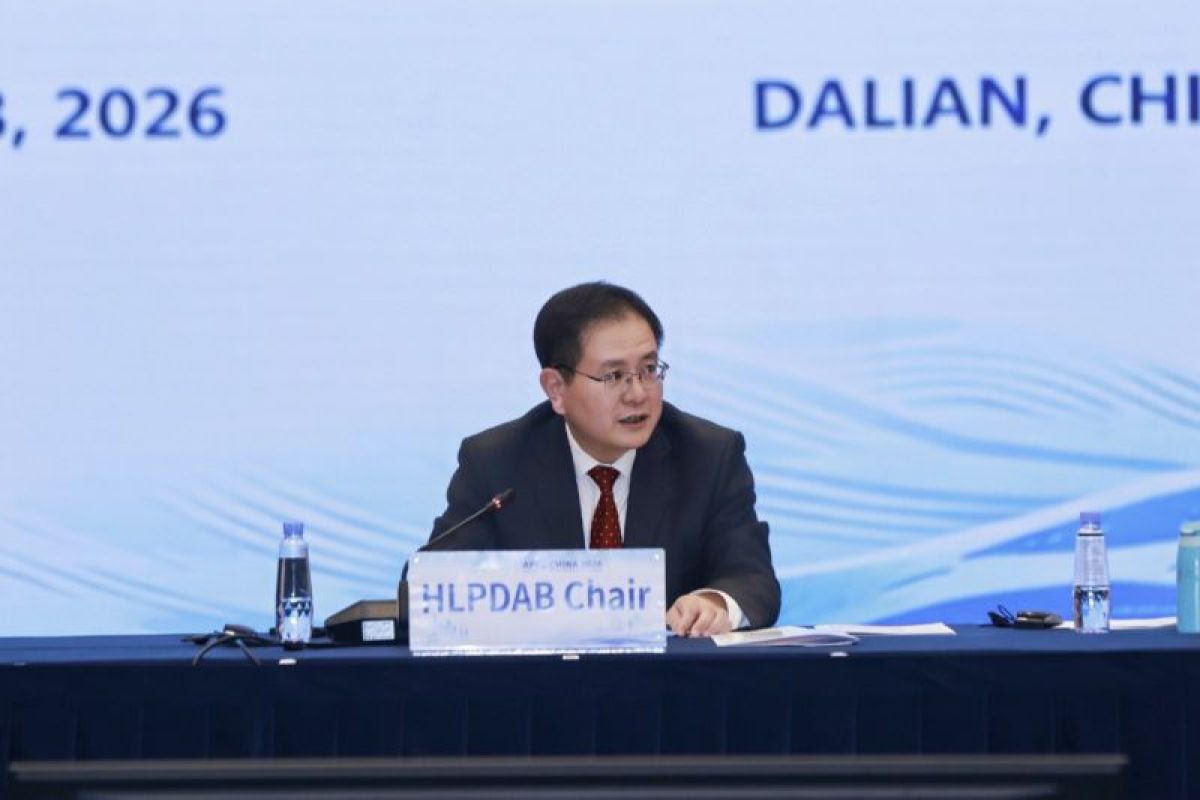
Delegates from Asia-Pacific Economic Cooperation (APEC) member countries and territories are strengthening science-based cooperation in the use of gene editing for crops and livestock to enhance regional food security.
The discussion emerged at the High-Level Policy Dialogue on Agricultural Biotechnology in Dalian, China, earlier this week. The forum addressed various innovations as well as the reinforcement of safety principles in the application of agricultural biotechnology.
Forum chair Li Xin Hai said agricultural biotechnology, including transgenic engineering, gene editing and synthetic biology, has driven the transformation of science and technology.
“Along with the development of artificial intelligence (AI), these technologies provide new solutions for food security, efforts to tackle climate change, and the promotion of sustainable agricultural development,” Li said, as quoted from an official APEC statement released on Thursday.
According to him, these technological developments open opportunities for APEC economies to strengthen agricultural productivity while responding to the challenges of climate change and ever-increasing food demand.
The delegates explained that the development of precision breeding, one application of gene editing technology, has produced tangible results and is beginning to be adopted for various fruit, vegetable and meat commodities.
Experts explained that genome editing can improve crop tolerance to drought, maintain productivity with less fertiliser use, and increase the nutritional content of plants.
Gene and genome editing itself is a modern technology that allows scientists to alter the DNA of living organisms in a more targeted manner. This technology can add, remove or replace specific parts of the genetic code to produce plant or animal varieties with desired characteristics.
The forum also discussed the development of rice varieties with a lower glycaemic index and higher protein content. These varieties are considered to have the potential to slow the release of sugar into the bloodstream after consumption and to serve as an alternative food for people with diabetes.
Despite offering various benefits, public acceptance of genetically engineered food still faces challenges. Some consumers consider such products to pose health risks or to be less safe for consumption.
In response to these doubts, the delegates stressed the importance of implementing science-based regulations that are evaluated on a case-by-case basis and are able to adapt to new technological developments.
Safety evaluations, according to them, need to cover food safety aspects and environmental risks at every stage of product development. The process also needs to be supported by data-based testing so that innovations can be adopted by farmers while maintaining biosafety.
In addition to regulation, consistent public education and communication are considered important to build understanding and increase consumer confidence in genome-modified food.
“APEC members have different levels of development, resources and regulatory practices, so it is natural that we have diverse priorities and concerns regarding agricultural biotechnology. However, it is precisely this diversity that makes information exchange so vital and our cooperation so necessary,” Li said.
The high-level forum in Dalian served as a preliminary agenda ahead of the APEC Ministerial Meeting on Food Security scheduled to take place in Hangzhou, China, on 25 August.