
APBN 2027 Must Give Middle Class Room to Grow: Misbakhun
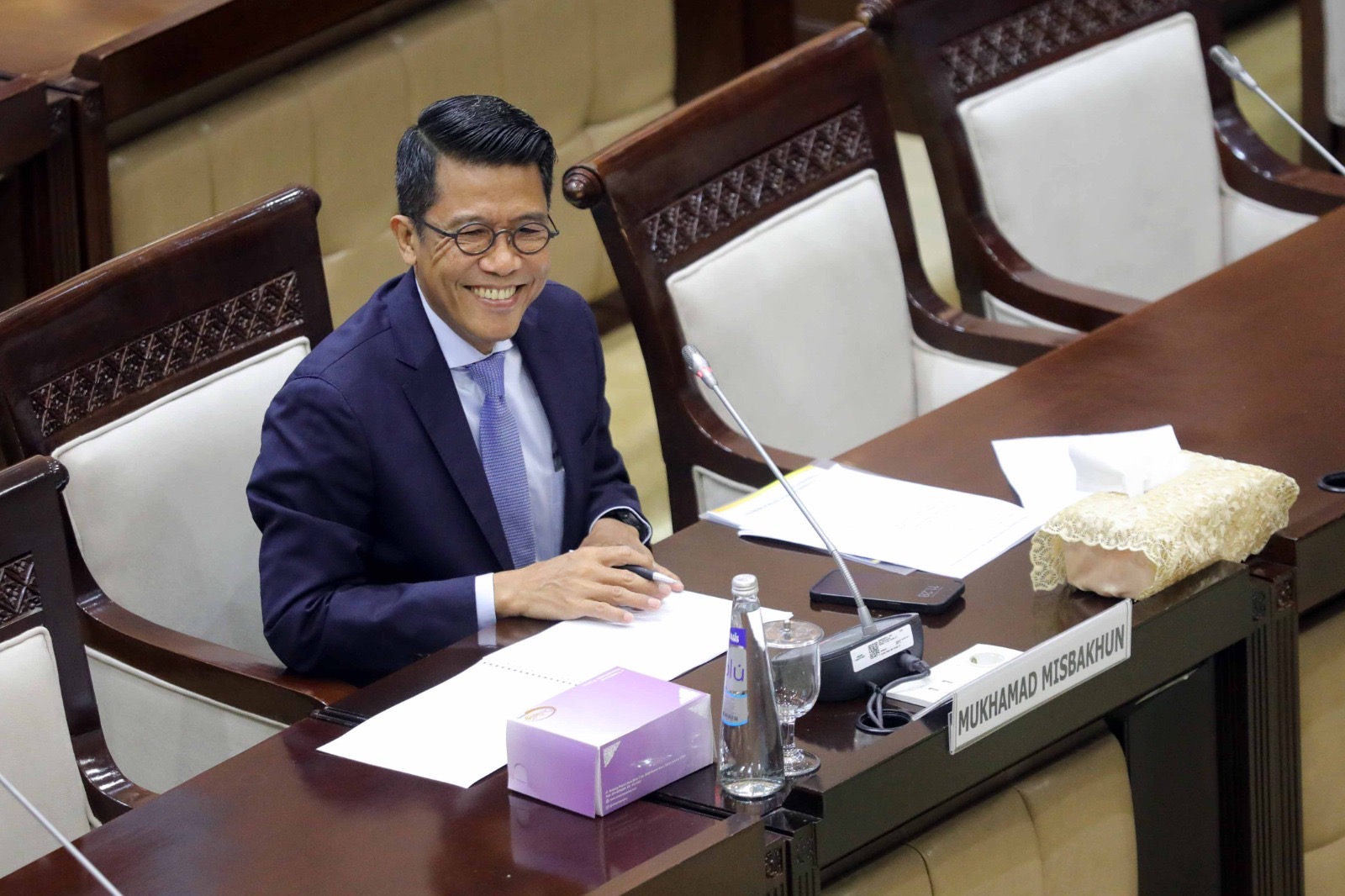
Chairman of Commission XI of the Indonesian House of Representatives (DPR RI) Mukhamad Misbakhun has stressed that discussions on the 2027 Macroeconomic Framework and Fiscal Policy Principles (KEM-PPKF) must be directed towards maintaining the strength of the domestic economy, particularly the middle class, which has been the main driver of national consumption and economic activity. According to Misbakhun, current economic challenges are not only being felt by low-income communities but are also beginning to impact the middle class. “Many middle-class families today are facing a difficult situation. Expenses are increasing, instalments continue, education costs are rising, while they also have to think about savings and their family’s future,” he said in a written statement in Jakarta on Friday. He therefore believes that the economic growth target for 2027 should not merely be a numerical goal. Growth must be capable of creating better jobs, strengthening the business world, and maintaining people’s purchasing power. Misbakhun explained that the middle class plays a crucial role in sustaining the national economy. When this group has the confidence to spend, buy a house, start a business, or invest, economic activity grows stronger. Conversely, if they begin to curb consumption and postpone various economic decisions, the impact will quickly be felt by the business sector and employment. “Protecting the middle class is not just about helping one segment of society. It is about keeping Indonesia’s economic engine running,” he added. In the KEM-PPKF 2027 discussions, the government and DPR agreed on a state revenue ratio target in the range of 12.01 to 12.40 percent of GDP. Misbakhun assessed that this target must be achieved through expanding the revenue base and implementing higher-quality fiscal reforms, not by increasing pressure on those who are already tax compliant. “The middle class, which has been the main driver of the domestic economy, must not be further burdened. Fiscal reform must be carried out with the principles of fairness and growth promotion,” he concluded.