
APBI Highlights Rampant Illegal Mining in South Kalimantan
Illegal mining practices have become one of the greatest challenges in achieving sustainable mining governance in Indonesia, including in the province of South Kalimantan.
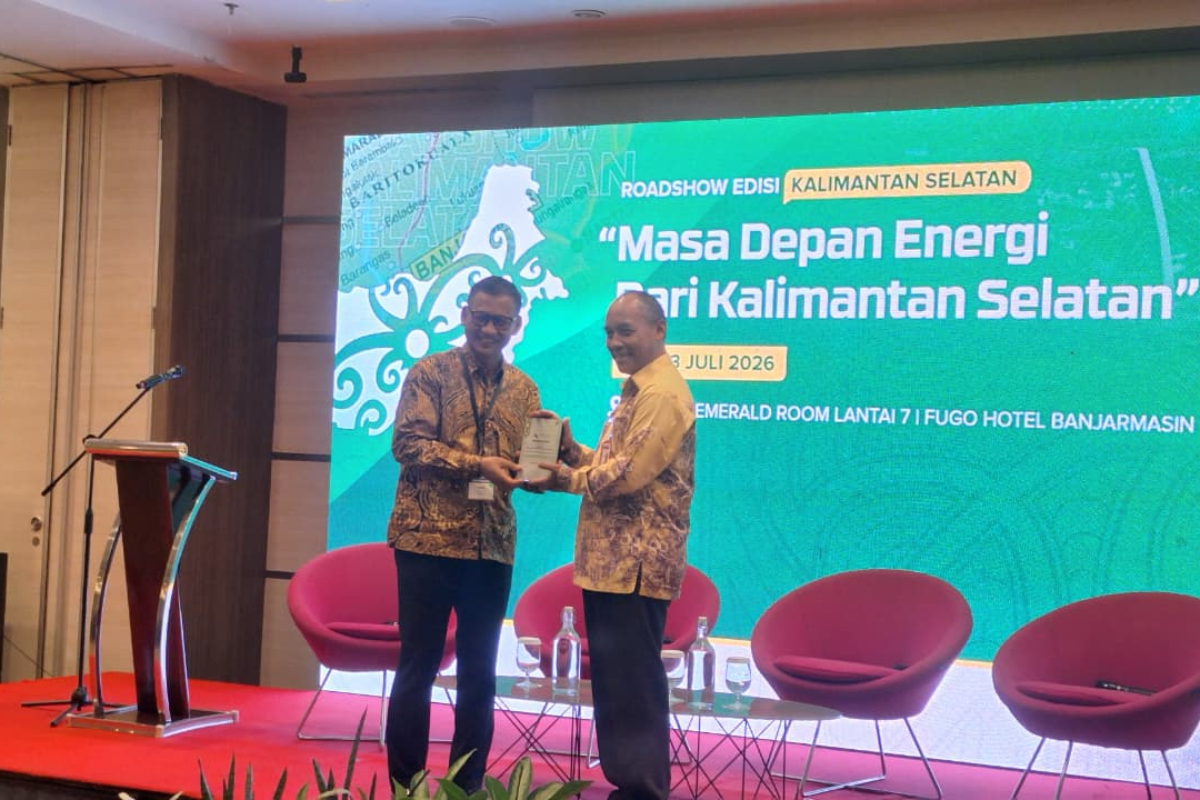
This was revealed during a roadshow on coal mining governance in South Kalimantan organised by the Indonesian Coal Mining Association (APBI-ICMA) on Thursday (2/7). APBI highlighted that the widespread practice of illegal mining remains a significant hurdle to sustainability in the region.
Amidst high coal production in South Kalimantan, APBI believes that strengthening synergy between business actors and law enforcement agencies is a vital step in preventing violations within the mining sector.
Executive Director of APBI-ICMA, Gita Mahyarani, stated that South Kalimantan holds a strategic position in the national coal industry. Out of approximately 15 APBI member companies operating in this province, their production contribution reaches nearly 70 per cent of the total coal production in South Kalimantan.
“Therefore, we are organising this event not only for APBI members but also for all business actors within the coal industry supply chain,” she said.
According to Gita, one of the primary issues discussed was the strengthening of good mining practices, particularly in facing illegal mining activities which remain a shared concern. “To that end, we are hosting discussions regarding the efforts already undertaken by companies and how synergy with the police and law enforcement agencies within the Energy and Mineral Resources (ESDM) sector can be sustained,” she added.
Beyond legal issues, Gita explained that APBI is also encouraging companies to adapt to new industrial challenges, such as the electrification of mining operations. This move is considered capable of reducing operational costs while supporting carbon emission reduction efforts.
“Fuel costs continue to rise, compounded by global geopolitical conditions. Therefore, we are beginning to encourage electrification in the mining sector. While it requires significant investment, the future potential is very promising,” she explained.
The forum also served as a space to discuss the implementation of various new policies in the mining sector, including the application of the DSI scheme planned to take effect on 1 January 2027. Business actors need a shared understanding to adjust to the regulatory changes being implemented by the government.
“We want to map out the ongoing issues in the mining sector. Not just illegal mining, but also overlapping permits and various other aspects of law enforcement that still require attention,” she revealed.
She expressed appreciation for the South Kalimantan Regional Police, which has handled hundreds of cases in the mining sector. “What is more important is how this process serves as a lesson and a deterrent for all companies to ensure that mining governance continues to improve,” she emphasised.
Expert Staff for Government, Law, and Politics, Adi Santoso, affirmed that the South Kalimantan Provincial Government appreciates this APBI roadshow and workshop, as it is deemed aligned with the Governor’s vision for sustainable and equitable economic growth.