
AON Jambi: Closeness Between Ojol and Police is a Humanitarian Synergy to Maintain Public Order
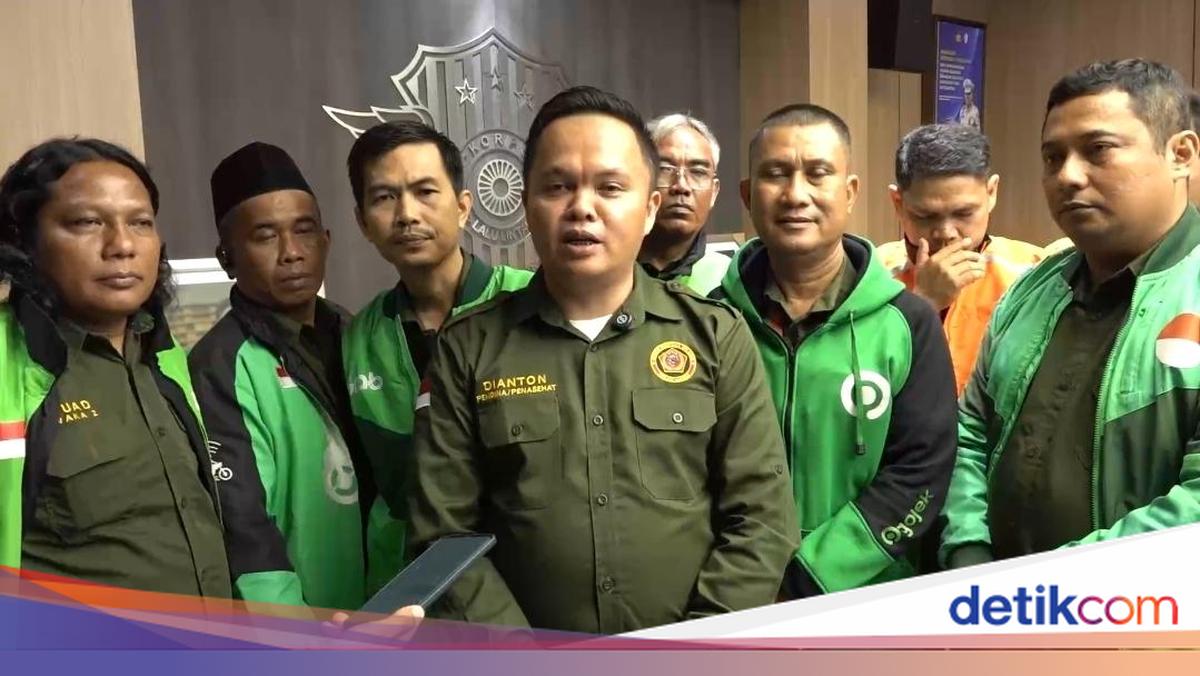
The initiator of the Nusantara Ojol Association (AON) Jambi, Dianton, has stressed that the close relationship between the online motorcycle taxi (ojol) community and the police is a tangible form of humanitarian partnership. This relationship is founded on a shared need to maintain safety and order on the roads. “For millions of ojol drivers in Indonesia, closeness with the National Police is not a relationship between officers and informants, but a partnership born from real needs on the road,” Dianton said in a written statement on Monday (8/6/2026). Dianton made this statement to correct public opinion that negatively views the closeness of these road warriors with the police institution. According to him, the public needs to see the facts and dynamics occurring in the field in a complete and objective manner. Dianton explained that in Jambi Province alone, there are currently nearly 22,000 combined ojol and conventional motorcycle taxi (opang) personnel. Every day, these road workers face the risks of congestion, accidents, and criminal acts in the field, which require rapid coordination with the police. He also assessed that the presence of programmes such as ‘Polantas Menyapa dan Melayani’ (Traffic Police Greet and Serve), initiated by the Head of the Traffic Corps, Inspector General Agus Suryonugroho, has opened a very good space for dialogue. Through this platform, drivers are given the opportunity to convey complaints and aspirations directly to the police based on the principle of mutual respect. Dianton also refuted any association of ojol’s concern on the roads with state espionage activities. He considers that a driver’s spontaneous action of helping an accident victim or reporting a crime is a form of social concern commonly practised by the public in general. “Being a citizen who cares about the surrounding environment does not mean being a state spy. When a driver helps an accident victim, reports congestion, or provides information about a crime they witnessed directly, that is a form of social concern,” he asserted. He confirmed that closeness with the police will not eliminate the independence of ojol as independent workers who have the right to associate and organise. This relationship actually strengthens collaboration for mutual safety. “Ojol remain independent workers earning a living for their families. What this nation needs is not mutual suspicion, but collaboration, concern, and the spirit of mutual cooperation,” concluded Dianton.