
Anticipating Risks and Pollution Spikes, Bicara Udara Launches Knowledge Hub for the Public
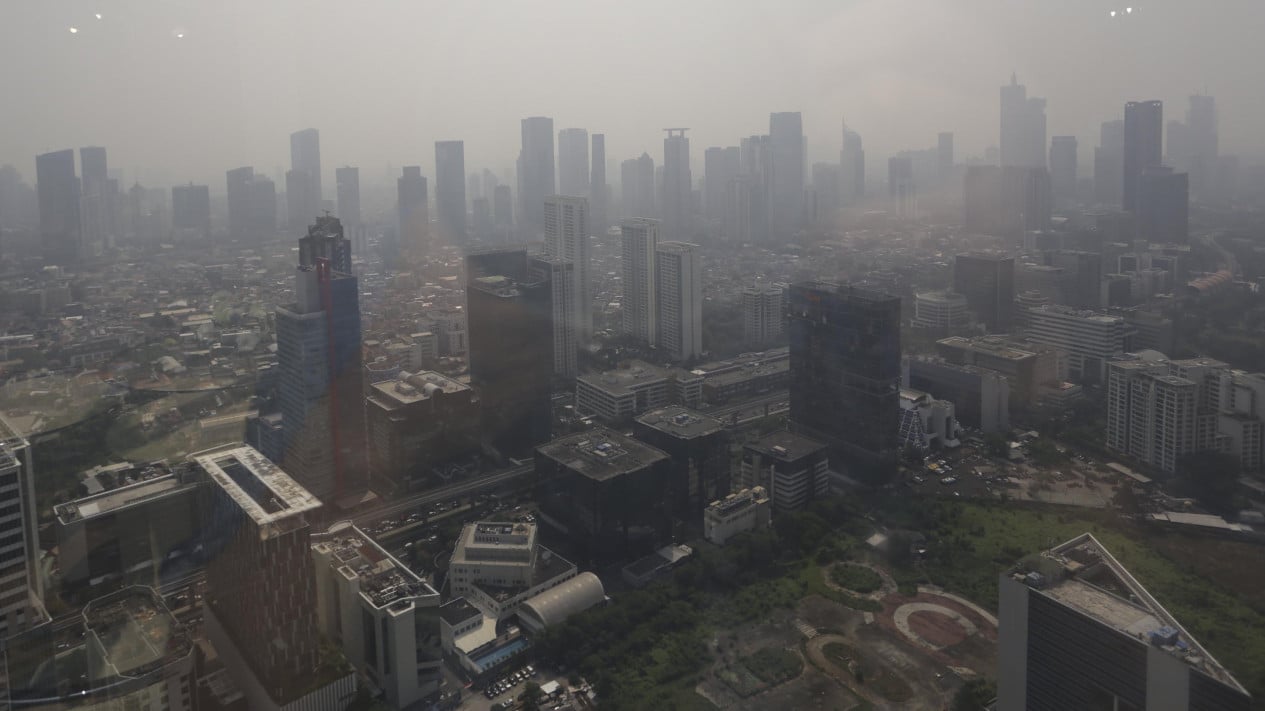
As the dry season begins, the risk of deteriorating air quality in the Greater Jakarta area (Jabodetabek) is rising again. Drier weather conditions, minimal rainfall, and slower air movement can cause an accumulation of pollutants in the atmosphere, including fine particulate matter PM2.5, which is hazardous to health. At the same time, the public increasingly needs access to credible and easily understandable information about air pollution. Responding to this need, Bicara Udara has launched the Knowledge Hub, an information centre for compiling various research, data, policies, and guides related to air quality in Indonesia, which can be accessed for free via https://bicaraudara.id/knowledge-hub/. Bicara Udara Co-Founder Novita Natalia said the Knowledge Hub is designed as a learning space and open reference for the public, journalists, researchers, academics, and policymakers. ‘This platform curates various publications from academics, research institutions, think tanks, international organisations, and trusted data sources relevant to the issue of air pollution,’ Novita said in a statement on Saturday, 27 June 2026. She explained that information regarding air pollution is actually available in considerable quantities, but it remains scattered across various sources, making it difficult to access practically. As a result, the public, media, researchers, and even policymakers often struggle to find credible and easily understandable references on a single platform. ‘Through the Knowledge Hub, we want to present a reference centre that can help the public access trusted data and research on air pollution more easily,’ she said. The momentum of this launch is becoming increasingly relevant, considering the dry season is often associated with an increase in the concentration of pollutants in the air. Hot weather, reinforced by the El Niño phenomenon, can also worsen exposure to air pollution because more stable atmospheric conditions cause pollutants to linger longer near the surface. In addition, a review from the Indonesian Journal of Public Health found that fine particulate pollution PM2.5 and heatwaves increase the risk of respiratory disorders by up to 30 percent. Data from the Central Statistics Agency (BPS) for 2025 recorded a 15 percent increase in acute respiratory infection (ISPA) cases closely related to climate change.