
Anticipating Peak Dry Season, 19 Regions in Central Java on Alert for Drought and Forest Fires
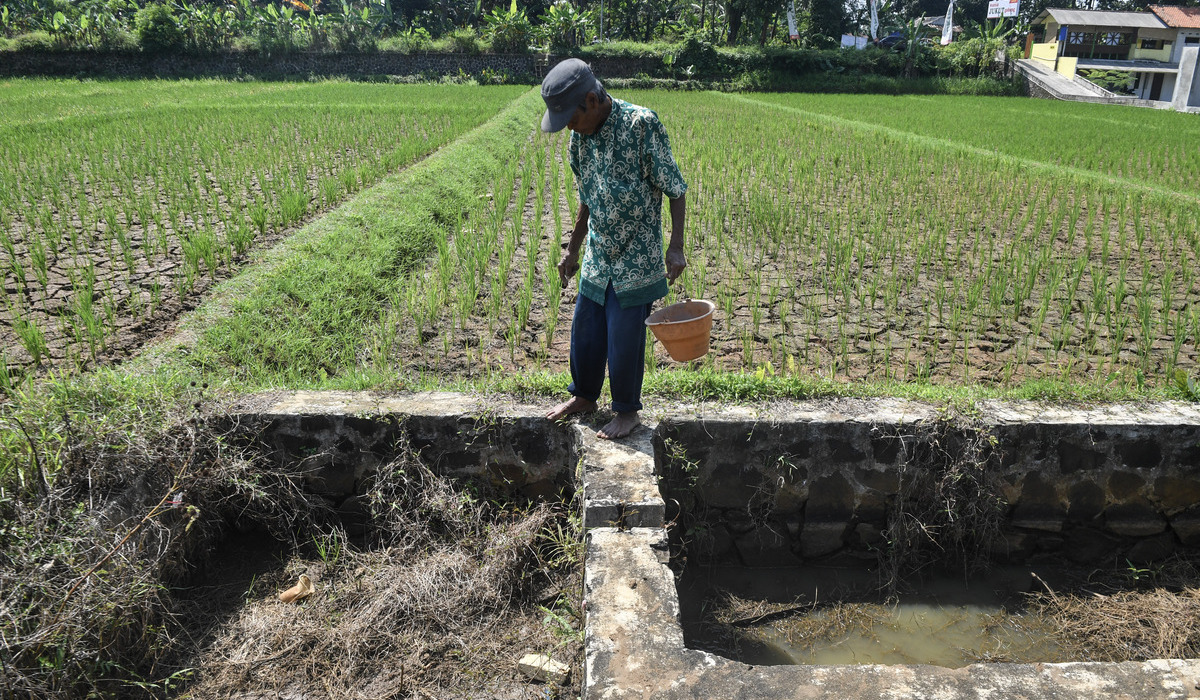
A number of regions in Central Java have begun implementing various mitigation measures to anticipate the peak of the dry season, which is expected to last from August to September 2026. These efforts are focused on handling drought disasters and preventing forest and land fires (karhutla). Based on monitoring on Tuesday (21/7), the mitigation steps taken include conserving water usage, distributing clean water aid, and strictly monitoring potential sources of ignition. This action comes as the potential for drought increases, now affecting 19 areas in Central Java. “Be vigilant for drought during the peak of the dry season. Currently, 19 areas are already affected,” said Risca Maulida, a forecaster at the BMKG Ahmad Yani Semarang Meteorological Station. Risca explained that the number of drought-stricken areas has continued to grow since June, from 16 to 19 regions. These areas include Batang, Kendal, Semarang City, Semarang Regency, Demak, Purworejo, Jepara, Kudus, Pati, Rembang, Blora, Grobogan, Klaten, Surakarta City, Sukoharjo, Wonogiri, Sragen, and the City and Regency of Magelang. In Semarang City, the Environmental Agency (DLH) is paying special attention to the potential for fires at the Jatibarang Final Disposal Site (TPA). The Head of DLH Semarang City, Glory Nasarani, stated that they are intensifying watering every two days, especially in zones 1 and 2, to prevent fires. Meanwhile, in Pekalongan Regency, Acting Regent Sukirman led a Disaster Preparedness Assembly on Tuesday (21/7). He confirmed the readiness of personnel and cross-sector infrastructure to face the threats of drought and forest and land fires. “I urge residents to increase their vigilance against dry season disasters,” Sukirman stressed. He also appealed to residents to conserve clean water. The Pekalongan Regional Disaster Management Agency (BPBD) has begun distributing clean water aid to several affected areas. The dry season’s impact is also being felt in the agricultural sector. Farmers in the Pantura region, such as Demak, Pati, Grobogan, and Blora, are switching to cultivating secondary crops on rain-fed land to avoid the risk of crop failure and to reduce high production costs caused by irrigation difficulties. “Because water is decreasing and the risk is high, we are switching to secondary crops that do not require much water, such as peanuts, maize, and soybeans,” said Ngatain, a farmer in Tambakromo, Pati Regency. Similar measures are being taken by farmers in Mijen, Demak Regency. Sugiri, a local farmer, revealed that they had anticipated the dry season by planting watermelons, melons, or cantaloupes. Most of them have already entered the harvest period, thus avoiding financial losses due to the drought.