
Anti-Rash Movement Expands Education to 450 Posyandu and 180 Community Health Centres
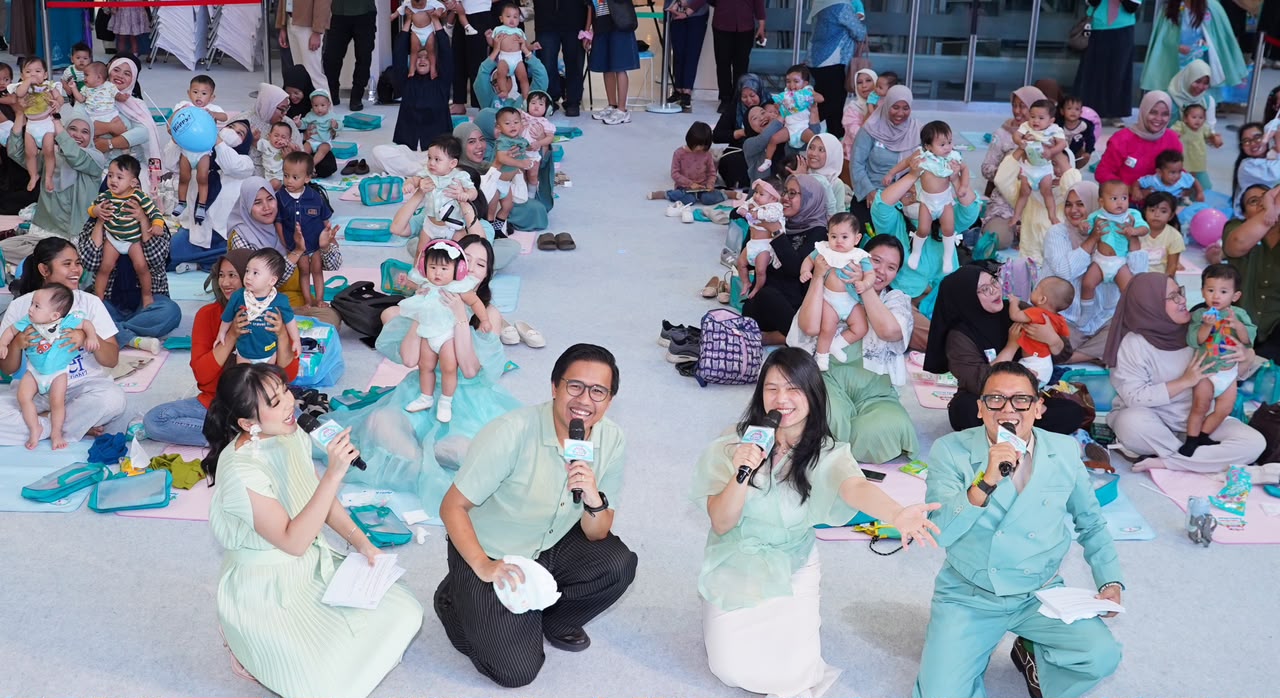
The momentum of National Children’s Day (HAN) 2026 is being used to strengthen education on infant skin health as part of efforts to support the growth and development of Indonesian children. Through a movement targeting 50,000 mothers and babies, this campaign is expected to increase parental awareness of the importance of maintaining skin health from an early age to prevent various disorders, including nappy rash, which is still commonly experienced by babies. Baby Happy, a nappy brand from Wings Care, is expanding its Anti-Rash Movement programme. The launch was marked by the 2026 Anti-Rash Movement Festival in Jakarta on 20 July 2026, initiating a series of educational activities across 10 cities involving health workers and various stakeholders. This programme is a continuation of the Anti-Rash Movement that has been running for the past two years. In 2026, the educational coverage is being expanded through collaboration with health workers at 450 integrated health posts (posyandu), 180 community health centres (puskesmas), and 20 hospitals in Greater Jakarta, West Java, and Sumatra. Through these activities, parents are invited to understand the importance of maintaining the skin barrier, the skin’s natural protective layer that serves as the first defence against irritation, infection, and fluid loss. This education is crucial because infant skin is still in a developmental stage, making it more vulnerable to disorders than adult skin. According to a scientific study published in the journal Allergy, Asthma & Immunology Research in 2025, the protective layer of infant skin is still thinner and not fully developed. This condition makes the nappy area more susceptible to irritation from exposure to moisture, urine, faeces, and friction that occurs daily. Paediatrician Dr. Damar Prasetya stated that maintaining the health of the skin barrier is an important step in supporting a child’s growth and development. He explained that damage to the skin barrier and nappy rash can disrupt optimal growth because irritated skin can become an entry point for bacterial and fungal infections. One preventive measure is choosing the right nappy to keep the skin dry and protected, allowing the child to be comfortable and free from the risk of rash. Senior Brand Manager Baby Happy Fransisca Vania Harista said the programme expansion aims to provide more families with education on the importance of maintaining infant skin health from an early age. She noted that this year the movement is reaching 50,000 mothers and babies through collaboration with health workers at hundreds of posyandu, puskesmas, and hospitals in various regions. In addition to education, a new nappy innovation was introduced that has undergone hypoallergenic clinical testing to help reduce the risk of rash on sensitive baby skin. The product features soft touch technology with a surface that is twice as soft and quick absorption to help keep the nappy surface drier, thereby minimising moisture exposure to the baby’s skin. During the opening of the 2026 Anti-Rash Movement Festival, the organisers, together with the Ministry of Women’s Empowerment and Child Protection, signed a Charter of Support for the Anti-Rash Movement as a symbol of cross-sector collaboration to raise public awareness about nappy rash prevention. The Acting Deputy for Child Rights Fulfilment at the ministry, Rini Handayani, appreciated the involvement of the business sector in supporting children’s rights through health education for parents and collaboration with the government, health workers, media, and the community. Referring to the theme of the 42nd National Children’s Day 2026, ‘Love Children, Protect and Build the Future’, Rini emphasised that the nation’s future is built from the moment children receive good care from birth.