
Anti-Immigrant Riots Spread as Cars Are Torched and Shops Looted
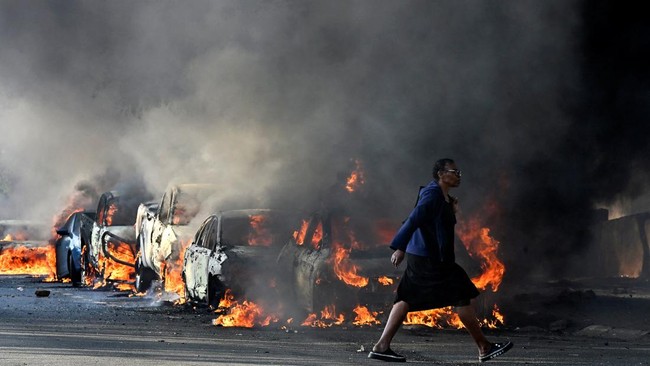
Anti-migrant protests in South Africa turned violent on Thursday (8 October 2026), with unrest reported in Soweto, Johannesburg, and the coastal city of Durban. Several vehicles were set alight, foreign-owned shops were looted, and gunshots were reportedly heard in Soweto.
In Soweto, clashes involved local residents and shop owners from abroad. Tensions escalated, with gunshots heard amid the crowd. In Durban, unrest was triggered by a group demanding that a refugee centre stop processing asylum applications.
Reuters reported that local news outlet News24 said about 10 vehicles were overturned and set alight during the unrest. Rioters also looted shops owned by foreign nationals. The incidents add to a series of violent episodes amid rising anti-migrant sentiment in the country.
South Africa has faced waves of anti-migrant demonstrations for months this year. The protests have drawn international condemnation, as some have ended in violence and looting. The situation has also prompted thousands of foreign nationals from various African countries to leave South Africa.
During protests, migrants are often accused of taking jobs, increasing crime and burdening public services. However, social scientists say these allegations are not supported by evidence. Anti-migrant sentiment has grown amid economic problems and persistent social inequality.
Three decades after the end of apartheid, South Africa continues to face stark social inequality. About a third of the population is unemployed, highlighting the scale of the challenge in providing jobs. Nevertheless, as one of Africa’s largest economies, the country remains a destination for migrants seeking economic opportunities and a better life.
Source: jawawa.id (https://jawawa.id/newsitem/anti-immigrant-riots-spread-as-cars-are-torched-and-shops-looted-1791622230)
Originally published by CNBC Indonesia (https://www.cnbcindonesia.com/news/20261009205048-7-774878/kerusuhan-anti-imigran-meluas-mobil-dibakar-toko-dijarah), translated from Indonesian