
Anti-Corruption Activists Warn APBD Should Not Be a Slush Fund for Officials
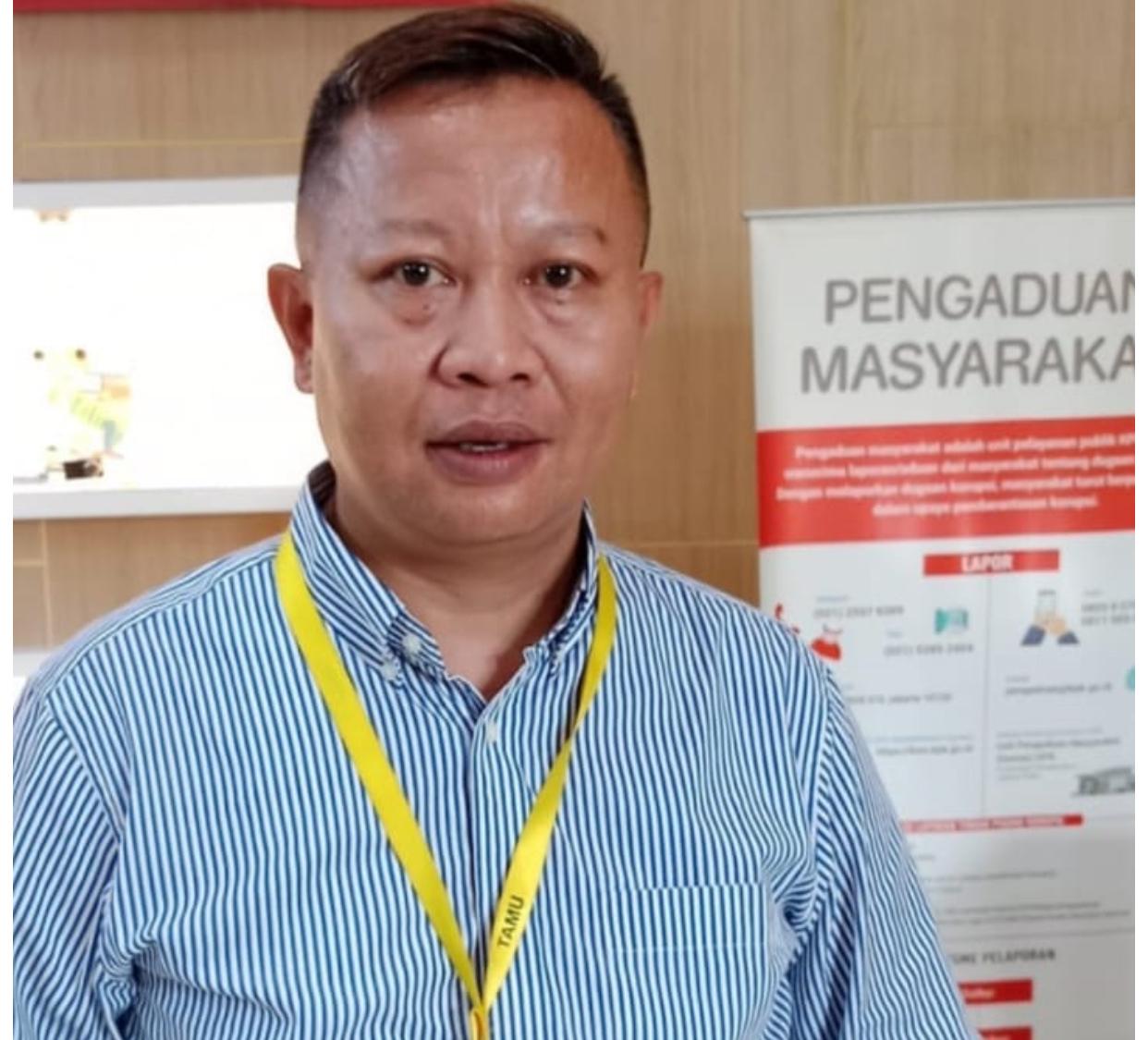
An anti-corruption activist has criticised the use of state finances, urging that public money must be managed properly to deliver real benefits to society and to prevent misuse by state officials.
Anti-corruption campaigner Uha Juhana noted that a number of regions have received unqualified opinions (Wajar Tanpa Pengecualian, or WTP) from the Supreme Audit Agency (BPK), despite numerous findings in BPK audit reports that have led to recommendations for compensation claims (Tuntutan Ganti Rugi, or TGR) worth billions of rupiah.
He cited the situation in Kuningan Regency, West Java, as one example.
“This should serve as material for evaluating the quality of regional financial governance,” said the chairman of the Frontal NGO on Wednesday (5/8).
He stressed that, normatively, the opinion is an auditor’s professional conclusion on the fairness of financial statement presentation based on established audit criteria, not an assessment of whether corruption has occurred.
Nevertheless, he argued that the public has the right to question the meaning of a WTP opinion when the same audit report still contains findings worth billions of rupiah, including budget usage that the BPK declared was ‘not used in accordance with its intended purpose’ and which resulted in recommendations for loss recovery through the TGR mechanism.
“The BPK certainly has its own parameters in issuing opinions on financial statements, and I respect that. But from the public’s perspective, questions naturally arise about how to interpret a WTP opinion when the same audit document still contains numerous findings worth billions of rupiah. This means that, administratively, the financial statements may be presented fairly, but in terms of governance quality and the effectiveness of internal controls, there remains homework to be done,” he said.
He explained that, under Law Number 15 of 2004 on the Audit of State Financial Management and Accountability, as well as the State Financial Audit Standards (SPKN), opinions on financial statements are issued based on compliance with Government Accounting Standards (SAP), adequacy of disclosure, compliance with laws and regulations that have a material impact on the financial statements, and the effectiveness of the internal control system.
Thus, a WTP opinion is not a statement that there are no irregularities or criminal acts of corruption in the management of state finances.
According to Uha, if every audit continues to uncover significant budget misuse and internal control weaknesses, then the situation deserves serious evaluation by regional governments.
“Therefore, what we are questioning is not the legality of the WTP opinion, but the substance of governance behind that label. WTP should not merely be an administrative source of pride, but should also be reflected in minimal findings, strong internal controls, and high compliance with regulations,” he asserted.
He also highlighted the settlement mechanism through compensation claims (TGR). While the recovery of state losses is indeed a follow-up to BPK recommendations as stipulated in Law Number 15 of 2004, it must not be viewed as a final resolution if it is not accompanied by internal guidance, strengthened oversight, and the enforcement of accountability.
“If TGR is considered to have resolved the matter without serious internal guidance, then what is the difference between the APBD and an interest-free bailout fund? Budgets could be used first for certain purposes, or even developed to generate profits. When they become BPK findings, they simply need to be returned. This mindset is very dangerous for state financial governance,” he said.
He added that this logic has the potential to create moral hazard in APBD management if not accompanied by strong oversight.
The Frontal NGO said it had filed a report with the Corruption Eradication Commission (KPK) because, in the 2025 BPK audit report, the Expenditure Treasurer of the Education Office stated that the use of GU funds amounting to Rp3.1 billion for expenditures unrelated to the operational activities of the Education and Culture Office was carried out on the orders and with the knowledge of the Budget User (PA), namely the Head of the Education Office at the time, U Kusmana, who now serves as the Regional Secretary of Kuningan.
“That is only if the BPK manages to find it. If some cases escape the audit, who can guarantee otherwise? We must not allow the perception to emerge that it is acceptable to use state money first, because if caught, it can simply be returned through TGR. If this way of thinking is allowed to continue, the APBD loses its function as a development instrument and is instead perceived as a soft, interest-free loan facility,” he said.
On the same occasion, Uha also highlighted the wording that repeatedly appears in the 2025 BPK audit report, namely the phrase ‘used not in accordance with its intended purpose’. He said this choice of diction deserves closer scrutiny from a legal perspective.
Source: jawawa.id (https://jawawa.id/newsitem/anti-corruption-activists-warn-apbd-should-not-be-a-slush-fund-for-officials-1785934284)
Originally published by Media Indonesia (https://mediaindonesia.com/jabar/berita/918655/aktivis-antikorupsi-ingatkan-penggunaan-apbd-bukan-dana-talang-bagi-pejabat), translated from Indonesian