
ANTAM develops productive farm in North Konawe
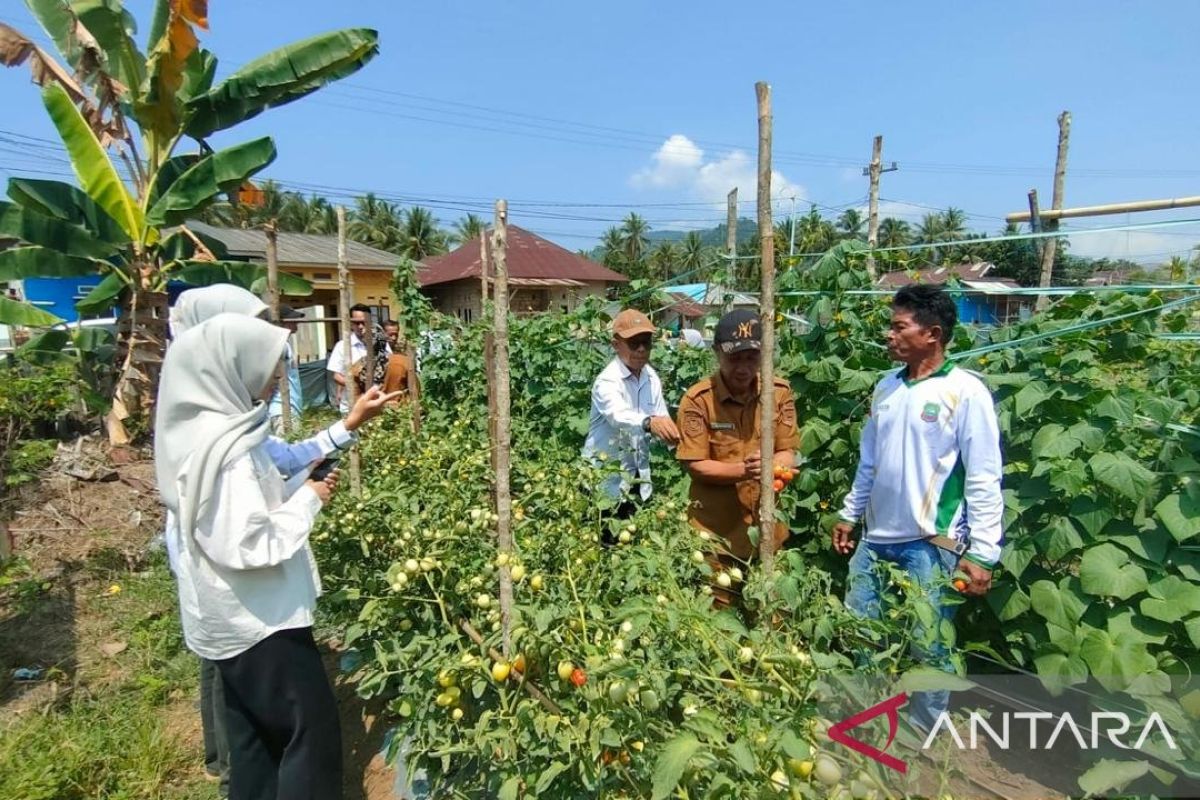
Jakarta (ANTARA) — PT ANTAM (Persero) Tbk (ANTM), through its North Konawe Nickel Mining Business Unit (UBPN), is developing a productive farm under its Food Self-Sufficiency Programme in Mowundo village, Molawe district, North Konawe regency, South-east Sulawesi.
“With support for agricultural facilities and assistance for the farming group, the programme has successfully turned the land into a productive farm growing nine horticultural crops,” ANTAM Corporate Secretary Wisnu Danandi Haryanto said in a statement in Jakarta on Wednesday.
Six of the crops have entered the harvest period and are beginning to generate economic value for the community.
Wisnu said the Food Self-Sufficiency Programme forms part of the company’s commitment to creating sustainable economic and social benefits for communities around its operational areas.
“ANTAM believes that community empowerment should be directed towards building long-term economic independence. Through the Food Self-Sufficiency Programme, we seek to encourage communities to make the most of their land as a source of food while creating additional income opportunities,” Wisnu said.
As part of the programme, ANTAM provided a cultivator to support land preparation.
The equipment has helped the farming group deal with sandy soil that is difficult to loosen, particularly during the dry season, making land preparation more efficient.
The support is being used by a farming group managed by Saddam and three other members to develop a 1,200-square-metre plot.
About 70 per cent of the land has so far been planted with nine horticultural crops: cucumber, luffa, bitter melon, maize, watermelon, melon, tomato, water spinach and pak choi.
Six of the nine crops have already been harvested: water spinach, pak choi, cucumber, luffa, watermelon and tomato.
One product already sold is watermelon, with about 100 kilograms sold for Rp1 million, while the potential harvest is estimated at 500kg.
Other produce is also beginning to be sold to local residents, including the company’s catering providers.
This shows that developing a productive farm can support food needs while also opening up market opportunities for local agricultural produce.
Wisnu added that the development of the Mowundo Village Food Security Farm is expected to serve as a community empowerment model that can be expanded more widely.
As well as producing food crops, the farm is used as a demonstration plot for residents interested in developing their own agricultural activities.
“We hope the productive farm in Mowundo village can demonstrate how local potential can be developed into an economic activity that delivers tangible benefits,” he said.
Wisnu said ANTAM would continue to promote empowerment programmes that not only build community capacity but also strengthen food security and create sustainable economic opportunities.
Saddam, one of the managers of the Mowundo village farming group, said the crops being grown had good market potential.
Buyers come from a range of backgrounds, from company catering providers to households, and some of the produce has been ordered before harvest.
“Demand for vegetables in the community remains high, while the number of producers is still limited. This gives us an opportunity to continue developing farming,” Saddam said.
He added that the cultivator had made land clearing and preparation faster and more efficient than before.
This harvest was also better than the previous planting on the same plot, despite farming taking place during several months of extreme dry conditions.
In addition to producing food and income, the Mowundo Village Food Security Farm is also used as a demonstration plot for residents wishing to learn about and develop agricultural activities.
In collaboration with ANTAM’s North Konawe unit, Saddam is helping participants in the Food Self-Sufficiency Programme test various crops to identify those best suited to the land and with the greatest economic potential.